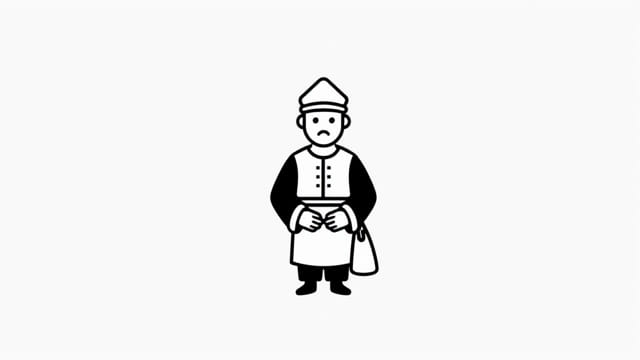
The term burgher holds significant importance in world history, particularly in understanding the social and economic transformations during the Middle Ages and beyond. Burghers were members of the urban middle class in medieval European towns and cities, playing a vital role in commerce, governance, and the development of early capitalist economies. Their rise marked a shift away from purely feudal societies towards more complex urban centers where trade, craft, and civic life flourished. Exploring the definition of burgher and their historical impact helps shed light on the evolution of cities, social classes, and economic systems worldwide.
Definition of Burgher
A burgher was a citizen of a town or city in medieval Europe who typically belonged to the middle class. The term derives from the German word Bürger, meaning citizen or town dweller. Burghers were usually merchants, artisans, or professionals who owned property and had specific rights and privileges within their urban communities. Unlike peasants tied to rural land, burghers lived in towns and were active participants in trade, craft guilds, and local governance.
Characteristics of Burghers
- Urban Residents: Burghers lived in towns or cities rather than rural areas.
- Economic Activity: They were often merchants, traders, or skilled artisans.
- Property Ownership: Burghers typically owned homes, workshops, or businesses.
- Civic Rights: They had legal rights to participate in town affairs, including voting in councils.
- Membership in Guilds: Many belonged to craft or merchant guilds that regulated trade and protected their interests.
The Rise of the Burgher Class
The emergence of burghers is closely linked to the growth of towns and trade during the High Middle Ages (approximately 10001300 AD). As Europe stabilized politically and economically after centuries of turmoil, trade routes expanded and urban centers grew. Burghers became the backbone of these burgeoning towns, bridging the gap between the nobility and peasantry.
Medieval Towns and Trade
Towns developed as centers for commerce and craft production, attracting people from the countryside. Burghers took advantage of these opportunities to establish businesses, trade goods, and organize themselves into guilds to protect economic interests.
Political Influence
With economic power came political influence. Many towns gained charters granting them self-governance, allowing burghers to elect councils and magistrates. This autonomy challenged the traditional feudal order and laid foundations for modern municipal government.
Burghers in Different Regions
While the concept of the burgher originated in Europe, similar urban middle classes emerged worldwide under different names and contexts.
Europe
In Germany, France, and England, burghers formed the core of the growing bourgeoisie. Cities like Lübeck, Bruges, and London became hubs of burgher activity, trade, and political power.
Asia
In medieval Asia, urban merchants and artisans played comparable roles, though social structures differed. For example, in medieval China, a wealthy merchant class contributed significantly to urban growth and commerce.
Other Regions
Emerging urban classes in the Islamic world, India, and Africa shared some similarities with the European burghers in terms of trade and urban influence.
Burghers and the Development of Capitalism
The burgher class was instrumental in the transition from feudal economies to early capitalism. Their commercial activities and investment in trade networks expanded markets and encouraged monetary economies.
Guilds and Economic Regulation
Guilds, formed largely by burghers, regulated production, quality, and prices. This organization fostered skilled craftsmanship and economic stability, which were vital for expanding trade.
Banking and Finance
Wealthy burghers also became involved in banking and lending, providing capital for trade expeditions and business ventures, further stimulating economic growth.
Social and Cultural Influence
Burghers influenced not only economics and politics but also culture and social life in medieval and early modern cities.
Education and Literacy
Many burghers valued education and literacy, founding schools and patronizing the arts. Their urban lifestyle encouraged cultural exchange and innovation.
Civic Identity
The identity of burghers was tied closely to their towns. They took pride in local governance, festivals, and institutions that distinguished their urban communities from rural areas.
Challenges and Conflicts
The rise of the burgher class was not without tensions. Their growing power often clashed with that of traditional nobles and clergy.
Feudal Resistance
Nobles sometimes resisted the autonomy and privileges granted to towns, leading to conflicts over taxes, rights, and governance.
Internal Struggles
Within towns, burghers themselves faced divisions between wealthy merchants and poorer artisans, resulting in social stratification and occasional unrest.
Legacy of the Burgher Class
The burghers left a lasting legacy in world history. Their economic and political activities contributed to the development of modern cities, democratic governance, and capitalist economies.
Foundation of the Middle Class
The burghers are often seen as precursors to the modern middle class, combining economic independence with civic responsibility.
Influence on Modern Urban Life
Many principles of municipal self-government, trade regulation, and social organization trace back to the burgher traditions of medieval towns.
The definition of burgher in world history reveals a class that was essential in shaping the social, economic, and political fabric of medieval and early modern societies. As urban dwellers engaged in commerce, governance, and culture, burghers transformed towns into dynamic centers of power and innovation. Their role in fostering trade, civic life, and early capitalist practices underscores their importance in the broader narrative of global history. Understanding the concept of burgher provides valuable insights into the origins of modern urban and middle-class life.