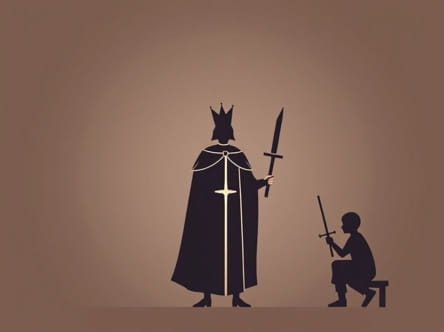
Set in a world where class and identity collide,The Prince and the Paupermovie brings Mark Twain’s timeless tale to the screen with drama, adventure, and heart. This story, which explores themes of justice, empathy, and the unpredictability of fate, has been adapted into film numerous times over the years. Whether presented as a classic period drama or a modern retelling, the essence of the story a royal boy and a commoner switching lives continues to fascinate audiences. Its enduring relevance lies in how it challenges assumptions and highlights the thin line between privilege and poverty.
Plot Summary of The Prince and the Pauper
The Chance Meeting
The story centers on two boys who are identical in appearance but come from vastly different worlds. One is Prince Edward, the son of King Henry VIII, destined to inherit the English throne. The other is Tom Canty, a poor boy who lives in the slums of London with his abusive father. Through a chance encounter outside the palace gates, the two boys meet and are fascinated by each other’s lives. Curious, they decide to trade clothes for a short time and in doing so, accidentally switch roles when guards mistake Tom for the real prince and escort him into the palace, leaving Edward outside and unrecognized.
Living Another Life
Inside the palace, Tom struggles to navigate the strange rituals and expectations of royal life, while Edward faces the harsh realities of common life on the streets. Both boys gain perspective on how the other half lives. Tom, with the help of kind advisors, learns the responsibilities of a monarch and surprises the court with his sudden insight into the lives of commoners. Meanwhile, Edward must fend for himself, encountering injustice, poverty, and cruelty firsthand.
The Resolution
As King Henry dies, Tom is about to be crowned king. However, Edward makes a dramatic return, fighting to prove his true identity. With the help of loyal allies and the knowledge only he would possess, Edward is finally reinstated. Tom is rewarded for his honesty and compassion. The story concludes with a hopeful message Edward, now king, becomes a wise and just ruler, having seen life through the eyes of the oppressed.
Film Adaptations Over the Years
Classic Versions
Numerous adaptations ofThe Prince and the Pauperhave been made for film and television. One of the earliest notable versions is the 1937 film starring twins Billy and Bobby Mauch. This version is often considered a definitive adaptation and is praised for its loyalty to Twain’s original story and its strong performances.
- 1937: Warner Bros. production featuring the Mauch twins, with Errol Flynn in a supporting role as Miles Hendon.
- 1977: A British television film with Mark Lester playing both roles, giving a nuanced performance as both Edward and Tom.
- 1990: An animated version by Disney featuring Mickey Mouse as both the prince and the pauper, introducing the tale to a younger audience.
Modern Interpretations
Beyond historical retellings, many modern adaptations have taken creative liberties with the story’s core premise. These include setting the story in different countries or time periods and exploring identity-switching themes in comedic or dramatic contexts. Though the trappings may change, the heart of the story two boys learning from each other’s vastly different lives remains consistent.
Themes and Symbolism
Social Injustice
One of the central themes ofThe Prince and the Pauperis the stark contrast between the lives of the rich and the poor. When Edward is cast out into the streets, he witnesses the widespread suffering caused by his father’s harsh laws. He learns that those in power often misunderstand or ignore the realities of the common people’s lives.
Identity and Power
The film raises important questions about identity and how it shapes one’s fate. Neither boy is inherently better or worse than the other, but the way society treats them shifts entirely based on their clothing and perceived status. This highlights how superficial judgments about wealth and appearance can dictate opportunity.
Empathy and Growth
By walking in each other’s shoes, both Edward and Tom become more compassionate. Tom, who begins as shy and timid, gains confidence and leadership skills. Edward, initially entitled and aloof, becomes humble and determined to rule with justice. Their personal transformations drive the emotional arc of the film.
Performance and Direction
Acting Challenges
Actors portraying both the prince and the pauper face a unique challenge distinguishing two visually identical characters through behavior, speech, and attitude. Successful portrayals show subtle differences in posture, tone, and expression, allowing the audience to track the switch clearly despite the physical similarity.
Costume and Set Design
Most adaptations ofThe Prince and the Paupermake great use of costume and setting to emphasize the social divide. The grandeur of the palace contrasts sharply with the squalor of the streets, reinforcing the film’s themes visually. Period-accurate costumes, especially in traditional versions, help immerse viewers in Tudor England.
Impact and Legacy
A Story That Transcends Time
The tale ofThe Prince and the Pauperhas been told across generations because its themes remain relevant. It speaks to the desire for fairness, the value of empathy, and the idea that leadership should come with understanding and compassion. The film versions have served as both entertainment and a subtle critique of class structures.
Influence on Other Media
The story has inspired countless similar narratives in books, movies, and TV shows. FromTrading PlacestoThe Parent Trap, the idea of two people switching lives to discover deeper truths continues to captivate audiences. Its adaptability ensures that it will be retold in new forms for years to come.
The Prince and the Paupermovie, in all its versions, remains a compelling story of mistaken identity, personal growth, and social awareness. Whether viewed as a historical drama or a symbolic tale of justice, it offers powerful insights into human nature. With each adaptation, the story invites new audiences to question the structures that divide us and to imagine a world where compassion and equality prevail. It is a reminder that understanding others even those who seem entirely different is one of the greatest strengths a person, or a ruler, can possess.