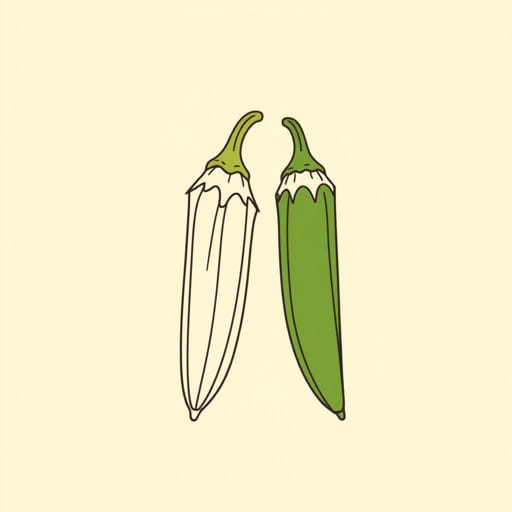
When exploring different vegetables in global cuisines, you might come across the terms ‘ladyfinger’ and ‘okra.’ These two names often confuse many people, especially since they are sometimes used interchangeably in recipes and markets. But are ladyfinger and okra really the same thing? Understanding the similarities and differences between these two terms can help clarify what you are buying or cooking with, and also deepen your appreciation for this unique vegetable. This topic will explain the origins of the names, how they relate to each other, and why the terminology might differ depending on the region.
What Is Okra?
Okra is a green, finger-shaped vegetable commonly used in cooking worldwide. Scientifically known asAbelmoschus esculentus, it belongs to the mallow family and is prized for its edible seed pods. Okra pods are typically slender, ridged, and covered in a soft fuzz. The vegetable is well known for its mucilaginous or ‘slimy’ texture when cooked, which helps thicken soups and stews, especially in dishes like gumbo.
Common Uses of Okra
- In Southern U.S. cuisine, often fried or used in gumbo.
- In Indian cooking, known as ‘bhindi,’ it is stir-fried or cooked in curries.
- In Middle Eastern dishes, added to stews and tagines.
- Used fresh, pickled, or dried in various cultures.
What Is Ladyfinger?
The term ‘ladyfinger’ can be a bit more confusing because it does not refer exclusively to okra in all contexts. In many English-speaking countries, particularly in South Asia and parts of Africa, ‘ladyfinger’ is a common name for okra. This usage likely comes from the slender, finger-like shape of the vegetable. However, ‘ladyfinger’ can also refer to other things, such as a type of sponge cake used in desserts, so context matters.
Ladyfinger as a Name for Okra
- Widely used in India, Pakistan, Bangladesh, and Sri Lanka to mean okra.
- In some African countries, the vegetable is also called ladyfinger.
- The name emphasizes the vegetable’s delicate and elongated shape.
Are Ladyfinger and Okra the Same Vegetable?
In most cases, yes ladyfinger and okra refer to the same vegetable. The difference is mainly regional terminology. In Western countries like the United States, Canada, and the UK, ‘okra’ is the dominant term. Meanwhile, in South Asia and parts of Africa, ‘ladyfinger’ is more common. So when you see ladyfinger in a recipe from India or Pakistan, it means the same as okra.
Why Different Names?
- Regional Language and Culture: Different regions develop their own common names for vegetables based on language, tradition, and local usage.
- Shape-Based Naming: The term ladyfinger highlights the vegetable’s slender, delicate shape, which some find a more descriptive name.
- Historical Influence: Colonial history and trade routes influenced how names spread and adapted in different regions.
How to Identify Okra or Ladyfinger in the Market
Whether labeled as ladyfinger or okra, here are some tips to recognize the vegetable when shopping:
- Look for small to medium green pods with ridges running lengthwise.
- The pods should be firm and not too large; overly large pods can be tough and woody.
- Check for a slight fuzzy texture on the surface, which is typical for fresh okra/ladyfinger.
- Pods should snap easily when bent, indicating freshness.
Common Confusions with Ladyfinger
One thing to be careful about is the term ladyfinger being used for other items. For example, in desserts, ladyfinger is a type of biscuit or sponge cake used in tiramisu and other sweets. This can cause confusion, especially in recipes or menus where the context isn’t clear. When it comes to vegetables, though, ladyfinger almost always means okra.
Nutritional Benefits of Okra/Ladyfinger
Okra or ladyfinger is not only tasty but also nutritious. It is low in calories but rich in vitamins, minerals, and dietary fiber. Here are some of its key benefits:
- High in vitamin C and vitamin K, which support immune function and blood clotting.
- Contains antioxidants that help protect the body from damage by free radicals.
- Rich in dietary fiber, aiding digestion and helping control blood sugar levels.
- Provides folate, important for cell growth and pregnancy health.
Cooking Tips for Ladyfinger/Okra
Cooking okra or ladyfinger properly can reduce its slimy texture, which some people find unappealing. Here are some popular methods to prepare it:
- Dry Cooking: Stir-frying or roasting okra can help minimize sliminess by keeping the pods dry.
- Using Acidic Ingredients: Cooking with tomatoes, lemon juice, or vinegar cuts down the mucilage.
- Quick Cooking: Avoid overcooking to prevent sliminess and maintain a pleasant texture.
- Frying: Deep-fried okra is crispy and reduces the slimy factor.
Ladyfinger and okra are essentially two names for the same vegetable, with regional preferences influencing which term is used. Both refer to the green, finger-shaped pods valued for their flavor and unique texture. Knowing this helps in understanding recipes, shopping for ingredients, and appreciating the cultural variations in food terminology. Whether you call it ladyfinger or okra, this versatile vegetable offers numerous nutritional benefits and can be prepared in many delicious ways around the world.