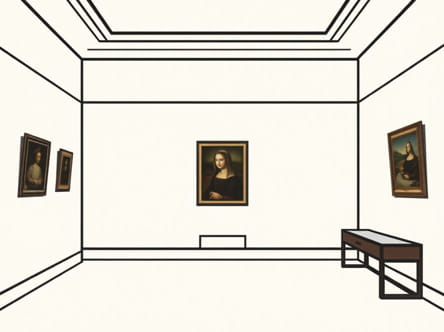
Located in the heart of Oxford, the Ashmolean Museum is one of the oldest public museums in the world and houses an extraordinary collection of art and archaeology. While the museum features objects from many centuries and cultures, its art collection is particularly notable for its range, depth, and historical value. Among the many artistic treasures, there are several famous paintings in the Ashmolean that attract visitors from around the globe. These works offer a glimpse into different artistic movements, techniques, and cultural perspectives, making the museum a must-visit for art enthusiasts and casual observers alike.
Masterpieces from the Italian Renaissance
Paolo Uccello The Hunt in the Forest
One of the most recognized paintings in the Ashmolean is Paolo Uccello’sThe Hunt in the Forest, created around 1470. This artwork is celebrated for its masterful use of linear perspective, a technique that was revolutionary during the Italian Renaissance. The scene captures a dynamic moment of hunters and their dogs charging into a dark forest, offering both drama and depth.
- The painting uses vanishing points to create spatial illusion.
- It reflects the Renaissance fascination with nature and order.
- It combines Gothic detail with early Renaissance perspective.
Filippino Lippi The Virgin and Child with Saints
This serene painting showcases the refined elegance and religious devotion typical of the Italian Renaissance. Filippino Lippi, the son of Fra Filippo Lippi, carried on his father’s legacy by creating detailed and emotive religious scenes. The figures are soft, lifelike, and surrounded by a balanced composition that reflects divine harmony.
Baroque Art and Dutch Masters
Anthony van Dyck Portrait of William Laud
Van Dyck, a Flemish Baroque painter, was known for his portraits of European nobility. His depiction of William Laud, the Archbishop of Canterbury under King Charles I, captures both power and vulnerability. The fine textures of fabric and the subtle expression of the subject reveal Van Dyck’s remarkable skills in portraiture.
Jan Lievens Self-Portrait
Although often overshadowed by his contemporary Rembrandt, Jan Lievens was a significant Dutch artist in his own right. His self-portrait in the Ashmolean shows a confident young artist, painted with rich tones and dramatic lighting. The painting is a fine example of Dutch Golden Age self-portraiture and its emphasis on individual identity.
Pre-Raphaelite and Victorian Highlights
Dante Gabriel Rossetti Dante Drawing an Angel
The Pre-Raphaelite Brotherhood aimed to return to the detailed, colorful style that preceded the High Renaissance. Rossetti’s work reflects his fascination with medieval themes and romantic narratives.Dante Drawing an Angelis both a tribute to the poet Dante Alighieri and an exploration of artistic inspiration.
Ford Madox Brown Jesus Washing Peter’s Feet
Another important Pre-Raphaelite work in the Ashmolean is Brown’s depiction of a powerful biblical moment. The painting’s intense realism, symbolic color palette, and emotional expressions align with the Pre-Raphaelite ideals of truth to nature and moral storytelling.
Impressionist and Post-Impressionist Paintings
Camille Pissarro View from Louveciennes
Pissarro, a founding figure in Impressionism, brings light and air into his landscapes. This particular view captures a peaceful countryside with quick, loose brushstrokes that evoke movement and changing weather. The painting reflects the Impressionist goal of capturing fleeting moments in natural light.
Paul Cézanne The Bibémus Quarry
Cézanne’s work marks a transition from Impressionism to modernism.The Bibémus Quarryis a striking composition of geometric shapes and earthy colors. It reflects his unique method of building form through repeated brushstrokes, which greatly influenced later artists like Picasso and Matisse.
Modern and Contemporary Works
Francis Bacon Study for a Portrait
Bacon’s intense and often disturbing portraits are famous for exploring the darker sides of human psychology. HisStudy for a Portraitin the Ashmolean is a haunting depiction of a figure in turmoil. The blurred lines and distorted form challenge traditional notions of beauty and identity.
Howard Hodgkin Mediterranean Window
Hodgkin, an abstract painter, is known for his vibrant use of color and gestural brushwork.Mediterranean Windowoffers an abstract impression of light, landscape, and memory. Though non-representational, the painting evokes a strong sense of place and emotion.
Important Themes and Educational Value
Chronological Diversity
The Ashmolean’s painting collection spans many centuries, allowing visitors to explore how artistic styles and themes evolved. From Renaissance order to modern abstraction, the paintings reflect changing ideas about religion, identity, nature, and society.
Cultural and Historical Context
Each painting in the Ashmolean tells a story not just through its imagery, but also through its historical context. The portraits of religious figures, political leaders, and everyday people offer insight into the values and beliefs of their time.
Techniques and Materials
- Use of perspective in early Renaissance works.
- Chiaroscuro and tenebrism in Baroque portraits.
- Brushwork and light in Impressionism.
- Abstract forms in modern art.
Visitor Experience and Art Appreciation
Interactive Displays and Labels
The Ashmolean enhances the viewing experience with detailed descriptions, touchscreens, and sometimes audio guides. These tools help visitors understand the significance of technique, symbolism, and historical background.
Rotating Exhibitions
While the core collection remains available year-round, the museum also hosts rotating exhibitions that highlight specific artists, styles, or cultural connections. This keeps the experience fresh and educational for returning visitors.
Educational Programs
Through lectures, workshops, and guided tours, the museum encourages deeper engagement with its art. Programs are available for schools, families, and adult learners, fostering a lifelong appreciation of visual culture.
The Ashmolean Museum is more than just a gallery of beautiful paintings; it is a center for learning, reflection, and inspiration. From Uccello’s Renaissance innovations to Bacon’s modern introspections, the collection is a testament to humanity’s enduring desire to capture experience through art. The famous paintings in the Ashmolean represent a wide range of styles, periods, and perspectives, making it one of the most enriching art destinations in the United Kingdom. For anyone interested in the evolution of visual expression, a visit to the Ashmolean is both a historical journey and an aesthetic delight.