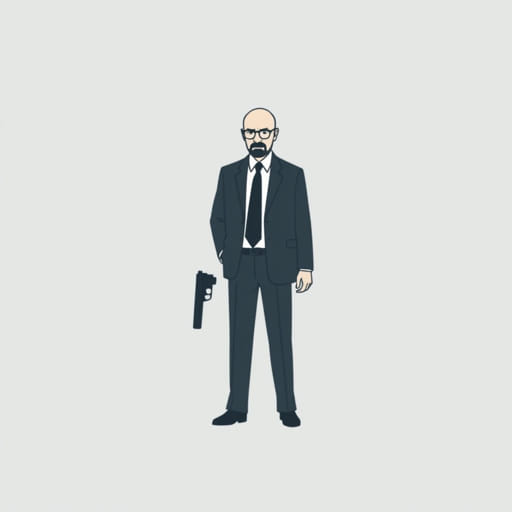
One of the most unforgettable moments in the acclaimed series Breaking Bad is the shocking and dramatic death of Gustavo Gus Fring. As a central figure in the show’s narrative, Gus was a methodical, cold, and highly intelligent drug kingpin whose calm exterior often masked his brutal nature. His demise not only brought an end to one of television’s most intriguing antagonists but also marked a significant turning point for the series. Viewers were captivated by the buildup, the execution, and the lasting consequences of Gus’s death. Understanding how Gus dies in Breaking Bad requires a look at the events that led to his end, the motivations behind it, and the powerful visual storytelling that made it so memorable.
Gus Fring’s Rise and Reputation
Before diving into the details of his death, it’s important to understand who Gus Fring was in the Breaking Bad universe. Gus was introduced as the owner of the fast-food chain Los Pollos Hermanos, a successful businessman with a spotless public image. Beneath that persona, however, was a ruthless drug lord who operated one of the most efficient methamphetamine distribution networks in the southwestern United States.
Gus’s meticulous nature and preference for keeping a low profile helped him stay off the DEA’s radar for a long time. He formed strategic partnerships, including one with Walter White, the series’ protagonist-turned-antihero. Although initially allies, tension grew between the two as Gus tried to replace Walt with Jesse Pinkman as his chief meth cook.
The Road to Gus’s Death
As Walt realized that Gus posed a threat to his life and his family, he began plotting against him. Walt’s fear intensified after Gus had several people killed and attempted to sever ties with Walt completely. With no other options, Walt turned to Hector Salamanca, a former cartel member who held a deep grudge against Gus due to the murder of his family.
Walt cleverly used Hector’s hatred as a tool in his scheme. Knowing that Gus visited Hector in the nursing home to gloat, Walt planted a bomb on Hector’s wheelchair. This setup would prove critical in executing Gus’s dramatic and symbolic death.
The Iconic Death Scene
Gus’s death occurs in Season 4, Episode 13, titled Face Off. The title itself is a play on words that alludes to the shocking visual of his demise. In the pivotal scene, Gus arrives at the nursing home to confront Hector, unaware of the trap that awaits. Hector surprises Gus by triggering the bomb using the bell attached to his wheelchair, setting off an explosion that devastates the room.
What follows is one of the most iconic visuals in television history. After the explosion, Gus momentarily emerges from the room, straightening his tie, appearing completely unharmed. However, the camera angle shifts to reveal that half of his face has been blown off, exposing muscle and bone. He collapses moments later, dead from the blast.
Symbolism Behind His Death
The way Gus dies is more than just shock value it is rich with symbolism. His last act of adjusting his tie shows his obsession with control and composure, even in the face of death. The disfigured appearance he carries in his final seconds serves as a metaphor for the duality of his life: one side calm and respectable, the other violent and deadly.
The scene also illustrates the power of revenge. Hector Salamanca, though paralyzed and mute, manages to exact revenge on his long-time enemy. Walt’s manipulation of this old feud shows how he has embraced the same cunning and ruthlessness that defined Gus Fring.
Reactions and Impact
Gus Fring’s death shocked audiences and left a lasting impression on pop culture. Many fans and critics praised the scene for its tension, storytelling, and cinematic execution. The visual effects team used prosthetics, digital enhancements, and practical explosions to create a death scene that was both horrifying and mesmerizing.
Gus’s death marked the end of one chapter and set the tone for the series’ final season. With Gus gone, Walt fully stepped into the role of the criminal kingpin, no longer held back by more experienced adversaries. His transformation into Heisenberg became complete in the eyes of both his enemies and viewers.
Legacy of Gus Fring
Although his character died in Breaking Bad, Gus Fring continued to appear in the prequel series Better Call Saul. There, viewers gained a deeper understanding of his background, motivations, and calculated nature. His death scene in Breaking Bad is frequently listed among the best television moments of all time, highlighting how well his character arc was written and concluded.
Gus Fring’s demise serves as a powerful reminder of the consequences of ambition, betrayal, and power struggles. His careful and calculated life was ultimately undone by an underestimation of others and a failure to detect Walt’s desperate resolve. His story is a cautionary tale of how even the most composed and intelligent individuals can fall due to pride and miscalculation.
Key Takeaways from Gus Fring’s Death
- Gus Fring died in Season 4, Episode 13 (Face Off) of Breaking Bad.
- Walter White used Hector Salamanca as a pawn to plant a bomb that ultimately killed Gus.
- The explosion at the nursing home was orchestrated as part of Walt’s plan to eliminate Gus.
- Gus’s final moments emphasize his obsession with control and highlight the duality of his character.
- The scene is widely regarded as one of the most memorable in television history.
Gus Fring’s death in Breaking Bad is more than just a plot resolution it’s a culmination of a deeply layered character arc and a masterclass in suspenseful storytelling. From his rise as a feared drug lord to his unforgettable final moments, every element of his demise was carefully crafted to leave a lasting impact. It reminded viewers that in the world of Breaking Bad, even the most untouchable characters can fall, often in the most unexpected and cinematic ways. His death continues to be analyzed, referenced, and remembered as a turning point in one of the greatest TV dramas ever created.