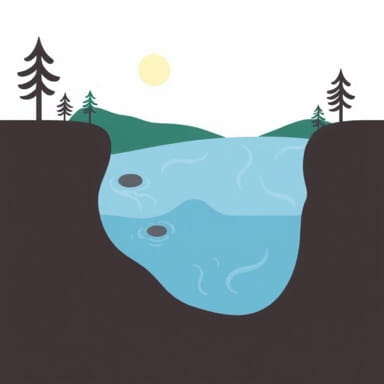
Water is constantly moving through various stages of the hydrological cycle, and one of the most essential yet often overlooked components is groundwater. Found beneath the Earth’s surface, groundwater plays a crucial role in maintaining ecosystems, providing drinking water, and sustaining agricultural production. Its presence and movement are key to understanding the full picture of how water circulates within the environment. By examining groundwater’s definition and its function in the water cycle, we gain deeper insight into how this hidden resource supports life and balances natural systems.
What Is Groundwater?
Groundwater refers to the water that fills the empty spaces and cracks in underground soil, sand, and rock formations. Unlike surface water found in rivers and lakes, groundwater lies beneath the Earth’s surface in what are known as aquifers. These underground layers are capable of storing significant amounts of water, which can later be extracted for human use or naturally discharge into springs, wetlands, and rivers.
Sources of Groundwater
Groundwater originates from precipitation, such as rain or snow, that soaks into the ground. This process is called infiltration. Once the water enters the soil, it travels downward through unsaturated layers until it reaches a zone where all the pores are filled with water this is called the saturated zone. The upper surface of this zone is known as the water table.
- InfiltrationThe movement of water into the soil
- PercolationThe deeper movement of water through soil layers
- AquifersRock formations that store and transmit groundwater
The speed and volume of infiltration depend on factors like soil type, vegetation, land use, and the amount of rainfall. Sandy soils, for example, allow faster infiltration than clay-heavy soils.
Role of Groundwater in the Water Cycle
In the larger context of the water cycle, groundwater plays a significant and dynamic role. It is a storage reservoir within the cycle, acting as both a source and recipient of water moving through the system. It connects with surface water, atmospheric processes, and even biological systems in a continuous exchange.
How Groundwater Fits into the Cycle
To understand groundwater’s role, it’s important to consider the main steps of the water cycle evaporation, condensation, precipitation, infiltration, runoff, and collection. Groundwater is part of the infiltration and collection stages but also feeds back into other parts of the cycle through a process known as groundwater discharge.
- RechargeWater enters the ground and refills aquifers
- StorageGroundwater remains stored until needed or naturally discharged
- DischargeGroundwater flows into rivers, lakes, wetlands, or oceans
Groundwater discharge helps maintain the base flow of rivers, especially during dry periods when rainfall is scarce. This supports aquatic habitats and maintains water availability during seasonal droughts.
Importance of Groundwater in Nature and Society
Groundwater is vital for many natural and human systems. It sustains plant roots, contributes to streamflow, and supports wetlands and springs that are home to unique ecosystems. For humans, groundwater is a primary source of freshwater, especially in rural and arid areas.
Key Uses of Groundwater
- Drinking WaterAbout 2.5 billion people rely on groundwater for daily use
- IrrigationA large portion of global agriculture depends on groundwater
- Industrial UseMany industries use groundwater in cooling, processing, and cleaning
In addition to its uses, groundwater acts as a buffer in times of water scarcity. During droughts or reduced rainfall, stored groundwater can be tapped to provide a consistent water supply. This makes it a strategic reserve in both natural and urban water management.
Groundwater Recharge and Sustainability
Groundwater recharge is the process by which water from precipitation or surface water infiltrates the ground to replenish aquifers. This process is critical to maintaining long-term groundwater levels, especially in regions with high water demand.
Natural vs Artificial Recharge
- Natural RechargeOccurs through rainfall, river seepage, and snowmelt infiltration
- Artificial RechargeInvolves human-made methods like recharge wells, ponds, or spreading basins
Sustainable groundwater management requires a balance between the rate of recharge and the amount of groundwater extraction. Over-pumping can lead to falling water tables, reduced spring flows, and ecological harm.
Threats to Groundwater
Despite its importance, groundwater is vulnerable to several environmental threats. These include over-extraction, contamination, and land-use changes that reduce natural recharge rates. Once polluted, groundwater is difficult and expensive to clean, often requiring years of restoration efforts.
Common Threats
- PollutionLeaching from landfills, agricultural runoff, and industrial waste
- Saltwater IntrusionIn coastal areas, overuse can draw saltwater into freshwater aquifers
- UrbanizationPaved surfaces prevent water from soaking into the ground
- Climate ChangeAltered rainfall patterns can affect recharge rates and availability
Addressing these issues requires coordinated action at the local, regional, and international levels. Monitoring, regulation, and public awareness are all essential tools in protecting this valuable resource.
Interaction with Surface Water
Groundwater and surface water are closely linked. In many river systems, groundwater contributes to base flow, especially during dry seasons. At the same time, rivers and lakes can recharge nearby aquifers when surface levels are higher than the water table.
Groundwater-Surface Water Exchange
This relationship can be classified into two types
- Gaining StreamsReceive additional water from groundwater discharge
- Losing StreamsLose water as it infiltrates into the groundwater system
This interaction highlights the need to manage both resources together. Overuse of one can directly affect the other, potentially leading to dry streams or depleted aquifers.
Groundwater in the Global Water Budget
Although groundwater makes up about 30% of the world’s total freshwater, only a small fraction is easily accessible for human use. Most freshwater is locked in glaciers and ice caps. Still, groundwater is the most widely distributed and consistently available freshwater resource on the planet.
Global Significance
- Accounts for over 95% of available freshwater not in ice form
- Crucial for food security through irrigation
- Supports billions of people worldwide
Given its vast yet fragile nature, understanding groundwater’s role in the water cycle is essential for sustainable development and environmental protection globally.
Groundwater is an integral part of the water cycle, serving as a hidden but powerful force in regulating natural ecosystems and human water needs. From supporting river flows to sustaining agriculture and providing clean drinking water, it plays a vital role in environmental balance and survival. Understanding groundwater’s definition, functions, and challenges is key to preserving it for future generations. As global pressures on water resources grow, protecting and managing groundwater responsibly must become a shared priority across all sectors of society.