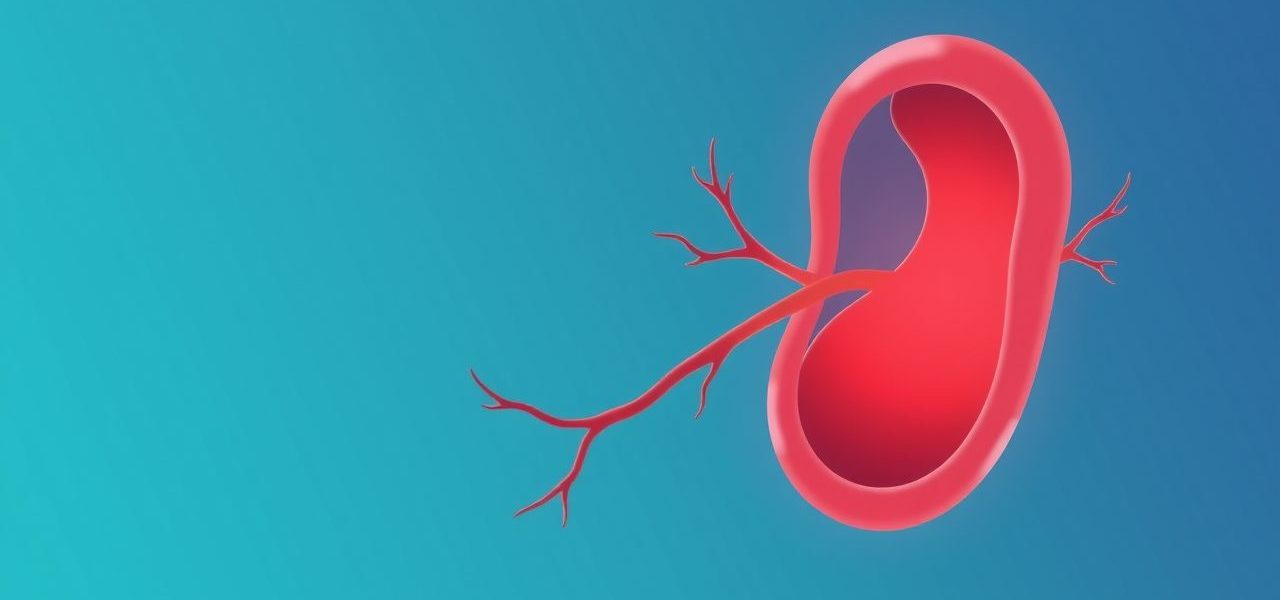
The kidneys are vital organs responsible for filtering the blood and maintaining the balance of water, electrolytes, and waste products in the body. At the center of this process lies the glomerular filtration rate (GFR), which measures how effectively the kidneys filter plasma. One of the major factors that influence GFR is the tone of the afferent and efferent arterioles. Among these, efferent arteriole constriction plays a significant role in regulating filtration pressure inside the glomerulus. Understanding how efferent arteriole constriction affects GFR is essential for medical students, healthcare professionals, and anyone interested in kidney physiology. This mechanism not only explains normal renal function but also sheds light on diseases such as hypertension, diabetic nephropathy, and conditions treated with drugs like angiotensin-converting enzyme inhibitors.
The Role of Arterioles in Renal Hemodynamics
The glomerulus is a network of capillaries situated between two sets of arterioles the afferent arteriole, which delivers blood into the glomerulus, and the efferent arteriole, which carries blood away. The balance of resistance in these arterioles determines glomerular hydrostatic pressure and, consequently, the glomerular filtration rate. When blood enters through the afferent arteriole, it encounters resistance inside the glomerular capillaries. The efferent arteriole provides the outflow pathway, and any change in its constriction or dilation modifies the pressure within the glomerulus.
What Happens During Efferent Arteriole Constriction?
When the efferent arteriole constricts, it narrows the exit route for blood leaving the glomerulus. This action increases hydrostatic pressure inside the glomerular capillaries. As a result, more plasma is filtered through the filtration barrier into the Bowman’s capsule, raising the glomerular filtration rate initially. However, this response is not unlimited. While mild to moderate constriction elevates GFR, severe constriction reduces renal blood flow, which can eventually diminish filtration as plasma oncotic pressure builds up and counteracts the hydrostatic force.
Key Immediate Effects
- Increase in glomerular capillary hydrostatic pressure.
- Initial rise in GFR due to higher filtration force.
- Enhanced filtration fraction (the ratio of GFR to renal plasma flow).
Long-Term and Secondary Consequences
Although the short-term response is an increase in GFR, sustained efferent arteriole constriction alters intraglomerular dynamics. Over time, increased filtration can stress the filtration barrier, leading to proteinuria. Moreover, prolonged vasoconstriction decreases overall renal blood flow, which may compromise oxygen delivery to the renal medulla and increase the risk of ischemia. Thus, the physiological effect is beneficial in some situations, but harmful when exaggerated or chronic.
Interaction with Plasma Oncotic Pressure
As filtration continues, proteins are retained in the glomerular blood, raising plasma oncotic pressure. This opposes further filtration. In conditions of sustained efferent constriction, the rising oncotic pressure within the glomerulus can counterbalance the elevated hydrostatic pressure, preventing indefinite increases in GFR. This mechanism helps explain why severe constriction ultimately reduces GFR.
Hormonal Regulation and Clinical Relevance
The body regulates efferent arteriole tone through hormonal and neural mechanisms. The renin-angiotensin-aldosterone system (RAAS) is particularly important. Angiotensin II preferentially constricts the efferent arteriole, thereby preserving GFR in states of low blood pressure or reduced renal perfusion. This ensures continued filtration even when renal blood flow is compromised, such as during dehydration or hemorrhage.
Effects of Angiotensin II
- Maintains GFR during systemic hypotension.
- Increases filtration fraction by reducing renal plasma flow more than GFR.
- Excessive activity can contribute to glomerular injury in hypertension and diabetes.
Impact of Medications
Drugs that interfere with RAAS, such as angiotensin-converting enzyme inhibitors (ACE inhibitors) or angiotensin receptor blockers (ARBs), reduce efferent arteriole constriction. As a result, they lower intraglomerular pressure and help protect the kidneys from long-term damage. However, in patients who depend on efferent constriction to sustain GFR such as those with bilateral renal artery stenosis these medications can precipitate acute kidney injury.
Pathological Conditions Involving Efferent Arteriole Constriction
Several diseases involve altered efferent arteriole dynamics. In diabetic nephropathy, for instance, chronic hyperglycemia enhances the activity of angiotensin II, leading to sustained efferent constriction and glomerular hypertension. This process accelerates kidney damage over time. Similarly, uncontrolled hypertension may cause maladaptive changes in arteriole tone that worsen renal injury.
Examples of Clinical Scenarios
- DehydrationAngiotensin II-mediated efferent constriction helps maintain GFR despite reduced renal perfusion.
- DiabetesPersistent efferent constriction increases glomerular pressure, leading to proteinuria.
- Use of ACE inhibitorsReduction of efferent constriction decreases intraglomerular pressure and protects the kidneys but may lower GFR in volume-depleted patients.
Comparing Afferent and Efferent Arteriole Changes
It is important to distinguish efferent arteriole constriction from afferent arteriole constriction. While efferent constriction initially raises GFR, afferent constriction generally lowers it by reducing blood flow into the glomerulus. Understanding this distinction is crucial for interpreting renal physiology and the effects of medications.
Summary of Effects on GFR
- Mild to moderate efferent arteriole constriction increases GFR by raising hydrostatic pressure.
- Severe constriction eventually reduces GFR due to high plasma oncotic pressure and reduced renal blood flow.
- Hormonal regulation, especially by angiotensin II, plays a central role in modulating these effects.
- Clinical conditions and treatments can amplify or inhibit this mechanism, with significant consequences for kidney health.
Efferent arteriole constriction is a key determinant of glomerular filtration rate. By modulating outflow resistance from the glomerulus, it finely balances filtration pressure. While moderate constriction preserves GFR in low perfusion states, excessive or chronic constriction contributes to kidney injury. Medical therapies that influence this mechanism, such as ACE inhibitors, demonstrate how understanding renal physiology translates directly into patient care. A clear grasp of the effects of efferent arteriole constriction on GFR helps explain both normal kidney function and the pathophysiology of renal disease, making it a central concept in nephrology.