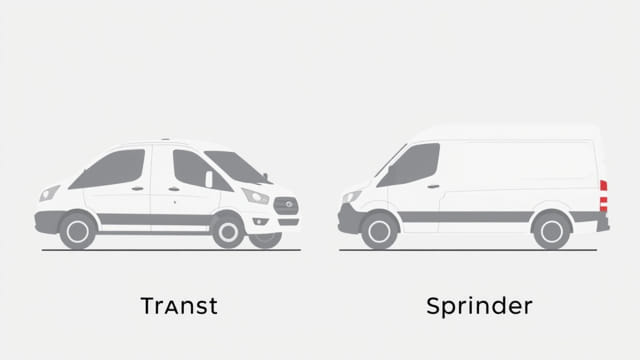
When it comes to choosing a full-size commercial van, two names often dominate the conversation: the Ford Transit and the Mercedes Sprinter. Both vehicles have earned strong reputations for their versatility, cargo capacity, and performance in various commercial and passenger transport applications. However, the Ford Transit vs Mercedes Sprinter debate is more than just a matter of brand preference it involves careful consideration of features, pricing, fuel efficiency, reliability, and long-term ownership costs. In this comparison, we’ll break down the key differences between these two top contenders to help buyers make an informed decision based on their specific needs.
Overview of the Ford Transit
The Ford Transit is a widely used commercial van that offers excellent value, practical design, and flexible configurations. Available in several wheelbases, roof heights, and powertrain options, the Transit serves a broad range of industries from delivery services and mobile workshops to camper van conversions.
Key Features of the Ford Transit
- Multiple roof height and wheelbase options
- Available all-wheel drive (AWD) for enhanced traction
- Gasoline and electric (E-Transit) powertrains
- Modern infotainment with Ford’s SYNC system
- Competitive pricing compared to rivals
Ford has continuously updated the Transit to meet changing business demands, especially with the introduction of the electric E-Transit model for environmentally conscious fleets.
Overview of the Mercedes Sprinter
The Mercedes-Benz Sprinter is known for its refined design, advanced technology, and wide range of customization options. It has long been favored by businesses that prioritize brand prestige, high-end features, and premium build quality. The Sprinter is also available in multiple body styles, including cargo, crew, and passenger configurations.
Key Features of the Mercedes Sprinter
- Diesel and gasoline engine options
- Optional 4×4 all-wheel-drive system
- High-quality interior materials
- Advanced safety and driver assistance features
- Multiple payload and towing capacities
With a reputation for reliability and a luxurious touch, the Sprinter is often chosen for high-end conversions and demanding commercial tasks.
Performance Comparison
Both the Ford Transit and Mercedes Sprinter offer solid performance, but they approach it differently based on engine choices and drivetrain configurations.
Ford Transit Powertrains
- 3.5L V6 gasoline engine (275 hp)
- 3.5L EcoBoost V6 (310 hp)
- All-electric E-Transit with rear-wheel drive
The Transit provides strong acceleration, especially with the EcoBoost engine. It handles well for a full-size van and delivers a smooth ride, even when fully loaded.
Mercedes Sprinter Powertrains
- 2.0L turbocharged 4-cylinder gasoline (188 hp)
- 2.0L turbo-diesel (168 hp or 211 hp, depending on configuration)
The Sprinter’s diesel engines are efficient and provide excellent torque, which is beneficial for hauling heavy loads. Its available 4×4 drivetrain is ideal for challenging driving conditions, making it a favorite for remote or mountainous locations.
Interior Comfort and Technology
Interior design and features can be a deciding factor for business owners and drivers who spend long hours on the road. The Ford Transit and Mercedes Sprinter both offer comfortable cabins, but with different focuses.
Ford Transit Interior
- Durable yet comfortable seating
- SYNC infotainment system with Apple CarPlay and Android Auto
- Ample storage and cupholders
- Optional digital instrument cluster
The Transit’s cabin is functional and tech-friendly. It emphasizes practicality, which is ideal for work-focused environments.
Mercedes Sprinter Interior
- Premium fit and finish
- MBUX infotainment system with voice control
- Ergonomic seating and upscale materials
- Digital displays and navigation
The Sprinter’s interior offers a more refined feel, with features that appeal to those wanting a higher-end experience or operating passenger transport services.
Cargo and Towing Capabilities
For most buyers in the commercial van market, cargo space and towing capacity are top priorities. Both vans offer impressive specs, but they vary based on configurations.
Ford Transit Cargo Capacity
- Maximum cargo volume: up to 487.3 cubic feet
- Payload capacity: up to 4,530 lbs (varies by configuration)
- Towing capacity: up to 6,900 lbs
Mercedes Sprinter Cargo Capacity
- Maximum cargo volume: up to 532.6 cubic feet
- Payload capacity: up to 6,812 lbs (on 3500XD models)
- Towing capacity: up to 7,500 lbs
While the Sprinter leads in overall payload and towing in its heavy-duty trims, the Transit offers competitive capabilities with easier accessibility and more flexible options for small-to-mid-size operations.
Reliability and Maintenance
Reliability and ease of maintenance are crucial factors for fleet owners and businesses. Downtime can mean lost revenue, so dependable service and parts availability matter.
Ford Transit Maintenance
- Widely available service centers
- Lower parts and labor costs
- Proven track record in fleet use
Mercedes Sprinter Maintenance
- Higher parts and service costs
- Longer service intervals but more complex repairs
- Strong reputation for durability when properly maintained
The Transit is often easier and cheaper to maintain, especially in rural or remote areas. The Sprinter may offer longer-term reliability but requires more specialized service.
Pricing and Ownership Costs
One of the key differences between the Ford Transit and Mercedes Sprinter lies in cost both upfront and over time. Buyers must evaluate their total cost of ownership including fuel, insurance, maintenance, and resale value.
Ford Transit Pricing
- Starting MSRP: Lower than Sprinter
- Better value for small businesses and fleet buyers
- More economical gas options
Mercedes Sprinter Pricing
- Higher base price, especially with diesel and 4×4
- Premium feel and branding increase resale value
- Costlier in terms of service and insurance
For businesses focused on budgets, the Transit is the more accessible option. The Sprinter may appeal to those seeking a premium image or advanced features, particularly in executive or luxury transport.
The Ford Transit vs Mercedes Sprinter comparison reveals two highly capable vans with distinct strengths. The Transit excels in affordability, ease of maintenance, and modern utility, making it a strong choice for value-focused buyers and general commercial use. Meanwhile, the Sprinter stands out with superior payload capacity, advanced safety, and luxury-oriented options, ideal for premium services or specialized fleet needs. Ultimately, the right choice depends on your priorities whether it’s upfront cost, capability, brand image, or long-term ownership expectations. Both vans represent the best in their class and are built to meet the diverse demands of today’s business environment.