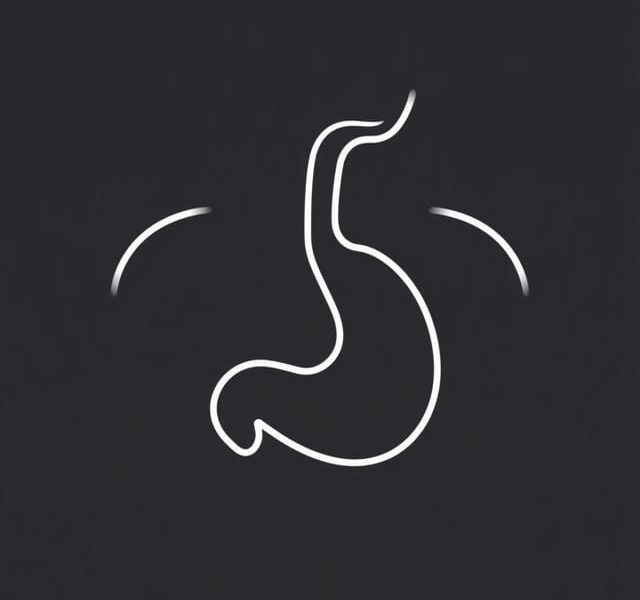
The esophagus is a vital muscular tube that connects the throat to the stomach, enabling the passage of food and liquids. Its structure is designed to facilitate smooth movement of swallowed material while preventing reflux from the stomach. However, certain anatomical and physiological points along the esophagus are naturally narrower, creating levels of constriction that are clinically significant. Understanding these levels of esophageal constriction is essential for healthcare providers, particularly in diagnosing swallowing disorders, planning endoscopic procedures, and evaluating esophageal pathologies such as strictures, tumors, or foreign body impactions.
Anatomy of the Esophagus
Basic Structure
The esophagus is approximately 25 centimeters long in adults and extends from the pharynx to the stomach. It passes through the neck, thorax, and diaphragm before reaching the stomach. The wall of the esophagus is composed of mucosa, submucosa, muscularis externa, and adventitia layers, which work together to provide peristaltic movement. The muscularis layer contains both striated and smooth muscle, allowing voluntary initiation of swallowing and involuntary movement toward the stomach.
Physiological Function
The esophagus serves as a conduit for food and liquids, utilizing coordinated muscular contractions known as peristalsis. Constrictions along its length are important landmarks for normal function but may also represent areas prone to obstruction or disease. Recognizing these constrictions is crucial for safe insertion of feeding tubes, endoscopes, and other medical devices.
Levels of Esophageal Constriction
Cricopharyngeal Constriction (Upper Esophageal Sphincter)
The first constriction occurs at the level of the cricopharyngeus muscle, which forms the upper esophageal sphincter (UES). This area is located approximately 15 centimeters from the incisor teeth. The cricopharyngeal constriction acts as a barrier between the pharynx and esophagus, preventing air from entering the digestive tract during respiration and reflux of esophageal contents into the throat. Clinically, this site is a common location for foreign body impaction and swallowing difficulties, especially in elderly patients or those with neuromuscular disorders.
Aortic Arch Constriction (Thoracic Esophagus)
The second constriction is found at the level where the esophagus is crossed by the aortic arch, roughly 22 to 25 centimeters from the incisors. This constriction is slightly narrower due to external compression from the aortic arch and surrounding mediastinal structures. Although it is usually not clinically significant, it may influence the passage of swallowed material in patients with enlarged aorta, aneurysms, or mediastinal masses. Awareness of this level is important for imaging studies and endoscopic navigation.
Left Main Bronchus Constriction
The third constriction occurs at the level of the left main bronchus, approximately 27 to 32 centimeters from the incisor teeth. This constriction arises from the esophagus passing posterior to the bronchial bifurcation and being compressed by the airway structures. Similar to the aortic arch constriction, it can be affected by enlarged mediastinal lymph nodes, tumors, or inflammation, occasionally leading to dysphagia or discomfort. Proper knowledge of this constriction aids clinicians during esophagoscopy and radiographic evaluations.
Diaphragmatic Constriction (Lower Esophageal Sphincter)
The fourth and final major constriction is at the lower esophageal sphincter (LES), near the esophagogastric junction. Located approximately 40 centimeters from the incisors, the LES prevents gastric acid reflux into the esophagus. It is a functional constriction rather than purely anatomical, maintained by circular smooth muscle fibers and diaphragmatic crura. Disorders at this level, including achalasia or gastroesophageal reflux disease (GERD), can significantly affect esophageal function and patient quality of life.
Clinical Significance of Esophageal Constrictions
Swallowing Disorders
Understanding the levels of esophageal constriction is critical when assessing dysphagia, or difficulty swallowing. Narrowed regions may indicate sites where food or liquids are likely to lodge, especially in conditions such as strictures, tumors, or motility disorders. Videofluoroscopic swallowing studies often focus on these constriction points to evaluate the mechanism of dysphagia and guide treatment strategies.
Foreign Body Impaction
Foreign bodies commonly lodge at the four natural constrictions of the esophagus. The cricopharyngeal constriction is the most frequent site, particularly for small objects such as bones, coins, or pills. Prompt identification and removal are essential to prevent complications like perforation, infection, or airway compromise. Knowledge of the other constriction sites ensures safe endoscopic retrieval and reduces procedural risks.
Endoscopic and Surgical Considerations
Endoscopists must navigate these constricted areas carefully during procedures such as esophagoscopy, dilation, and stent placement. The diaphragmatic constriction at the LES requires particular attention due to the risk of perforation. Surgeons performing esophageal resections or laparoscopic interventions must also be aware of these anatomical landmarks to prevent injury to adjacent structures and optimize outcomes.
Radiologic Implications
Imaging studies, including barium swallow radiographs, CT scans, and MRI, often reveal the natural constrictions of the esophagus. Radiologists use these landmarks to differentiate between normal anatomy and pathologic narrowing caused by masses, strictures, or extrinsic compression. Precise identification of these levels helps in accurate diagnosis, staging of esophageal disease, and planning of therapeutic interventions.
Factors Affecting Esophageal Constriction
Age and Anatomical Variations
Age-related changes can influence esophageal constrictions. Elderly patients may have reduced muscle tone, leading to functional narrowing and dysphagia. Congenital anomalies, such as vascular rings or webs, may also alter the typical constriction pattern and necessitate specialized management.
Disease and Pathology
Esophageal diseases can modify the natural constrictions. Tumors, strictures, and external compressions can exacerbate narrowing, while motility disorders can impair the passage of bolus through constricted regions. Understanding the baseline levels of constriction allows clinicians to distinguish normal anatomy from disease-induced alterations.
External Pressure and Compression
Structures surrounding the esophagus, including the heart, aorta, bronchi, and diaphragm, exert extrinsic pressure. Enlargement of these structures, as seen in cardiac enlargement, aneurysms, or mediastinal masses, may increase constriction severity and impact swallowing. Accurate assessment is important for risk stratification and procedural planning.
Management and Treatment Considerations
Medical Therapy
For functional constrictions or motility disorders, medical management may include prokinetic agents, acid-suppressing medications, or treatment for underlying conditions such as GERD. These therapies aim to improve bolus transit and reduce symptoms related to esophageal narrowing.
Endoscopic Interventions
Dilation procedures are commonly employed for pathological strictures at any of the constriction points. Balloon dilators or bougies are used under controlled conditions to enlarge the narrowed segment safely. Endoscopic stent placement may be indicated for malignant obstruction to maintain esophageal patency and improve swallowing function.
Surgical Approaches
Surgery may be necessary for congenital anomalies, severe strictures, or tumors causing significant obstruction. Procedures such as esophageal resection, myotomy, or bypass are planned with careful consideration of the natural constrictions to prevent injury to adjacent structures and optimize functional outcomes.
Levels of esophageal constriction are fundamental anatomical landmarks with significant clinical implications. The cricopharyngeal, aortic arch, left main bronchus, and diaphragmatic constrictions each play roles in normal esophageal function and are sites prone to disease, obstruction, and foreign body impaction. Understanding these constrictions aids in diagnosis, endoscopic and surgical planning, and management of swallowing disorders. Awareness of both anatomical and physiological factors ensures safer procedures, more accurate evaluations, and improved patient outcomes in esophageal care.