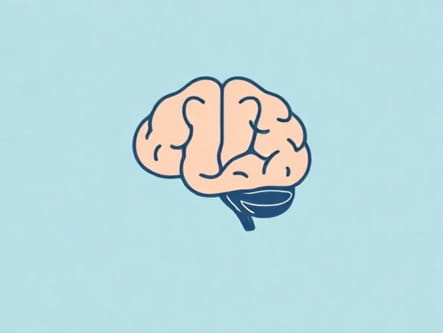
A stroke on the left side of the brain is a serious medical condition that can result in a range of physical, cognitive, and emotional impairments. The brain is divided into two hemispheres, each responsible for different functions, and damage to the left hemisphere can have significant effects on speech, movement, and reasoning. Understanding what is damaged during a left-sided stroke, the areas of the brain affected, and the potential consequences is crucial for patients, caregivers, and healthcare professionals to manage recovery and rehabilitation effectively. Early recognition and treatment are essential to minimize permanent damage and improve outcomes.
Understanding Left-Sided Stroke
A stroke occurs when blood flow to a part of the brain is interrupted, either due to a blockage (ischemic stroke) or a rupture of a blood vessel (hemorrhagic stroke). When this interruption affects the left side of the brain, it can impair the areas responsible for controlling the right side of the body, as well as functions such as language, analytical thinking, and logical reasoning. The severity and location of the damage determine the specific symptoms and the extent of disability.
Major Brain Areas Affected
The left hemisphere of the brain contains several critical regions that may be damaged during a stroke. These include
- Motor CortexLocated in the frontal lobe, this area controls voluntary movements on the right side of the body. Damage can lead to weakness or paralysis of the right arm, leg, or face.
- Broca’s AreaFound in the frontal lobe, Broca’s area is responsible for speech production. Stroke in this region can cause expressive aphasia, where the individual struggles to form words or sentences.
- Wernicke’s AreaLocated in the temporal lobe, this area is involved in understanding language. Damage may result in receptive aphasia, where the person has difficulty comprehending spoken or written language.
- Parietal LobeThis region processes sensory information and spatial awareness. Left-sided stroke can cause sensory deficits or difficulty with coordination on the right side.
- Occipital LobeResponsible for visual processing, damage here can lead to visual field deficits on the right side, affecting vision and perception.
Symptoms of a Left-Sided Stroke
The symptoms of a stroke on the left side of the brain vary depending on which regions are damaged and the extent of the injury. Common signs include
Right-Sided Weakness or Paralysis
Since the left hemisphere controls movement on the right side, patients may experience hemiparesis (weakness) or hemiplegia (complete paralysis) affecting the right arm, leg, or face. This can impact daily activities such as walking, dressing, or feeding.
Speech and Language Impairments
Damage to Broca’s or Wernicke’s areas can lead to aphasia. There are different types of language difficulties
- Expressive AphasiaTrouble producing speech, though comprehension may remain intact.
- Receptive AphasiaDifficulty understanding language, often leading to confusion and frustration.
- Global AphasiaSevere impairment affecting both speech production and comprehension.
Cognitive and Analytical Deficits
The left hemisphere is crucial for logical thinking, problem-solving, and processing detailed information. Stroke patients may have difficulty with
- Mathematical calculations
- Sequencing tasks
- Planning and organizing daily activities
- Memory for words and language-based information
Behavioral and Emotional Changes
Left-sided stroke can also affect emotional regulation, leading to depression, frustration, or anxiety. Patients may become more cautious or meticulous but may also struggle with motivation and initiating tasks.
Diagnosis of Left-Sided Stroke
Accurate diagnosis is essential to determine the exact location and severity of the stroke. Common diagnostic methods include
Imaging Studies
- CT ScanQuickly identifies bleeding in the brain and differentiates between ischemic and hemorrhagic stroke.
- MRIProvides detailed images of brain tissue, helping to detect smaller areas of damage.
- AngiographyExamines blood vessels to locate blockages or aneurysms.
Neurological Examination
Doctors perform a series of assessments to evaluate motor function, speech, vision, coordination, and sensory perception. These tests help determine which areas of the left brain are affected and guide treatment planning.
Complications of Left-Sided Stroke
A stroke on the left side of the brain can lead to both short-term and long-term complications. These include
- Permanent right-sided weakness or paralysis
- Chronic aphasia affecting communication
- Cognitive impairments that limit problem-solving and planning abilities
- Depression, anxiety, and emotional instability
- Difficulty performing daily activities independently
Treatment and Rehabilitation
Treatment for left-sided stroke focuses on restoring blood flow, reducing brain damage, and promoting recovery through rehabilitation. Key approaches include
Acute Medical Treatment
- Ischemic StrokeUse of clot-busting medications like tissue plasminogen activator (tPA) if administered within a critical time window
- Hemorrhagic StrokeSurgical interventions to repair ruptured vessels or reduce intracranial pressure
- Management of blood pressure, blood sugar, and other contributing factors
Rehabilitation Therapy
Recovery often requires a multidisciplinary approach involving physical therapy, occupational therapy, speech-language therapy, and psychological support. Specific rehabilitation strategies include
- Physical therapy to regain strength and coordination on the right side
- Speech therapy to address expressive or receptive aphasia
- Occupational therapy to improve daily functioning and independence
- Cognitive therapy to enhance problem-solving and memory
- Emotional counseling to manage depression or anxiety
Prognosis
The prognosis after a left-sided stroke depends on several factors, including the size and location of the brain injury, the patient’s age, overall health, and the speed of medical intervention. Early rehabilitation improves outcomes and increases the likelihood of regaining motor function, speech, and cognitive abilities. While some deficits may persist, ongoing therapy and support can significantly enhance quality of life and independence.
Prevention of Left-Sided Stroke
Preventing a stroke involves addressing risk factors and maintaining a healthy lifestyle. Important preventive measures include
- Controlling high blood pressure, diabetes, and high cholesterol
- Avoiding smoking and limiting alcohol consumption
- Engaging in regular physical activity
- Maintaining a balanced diet rich in fruits, vegetables, and whole grains
- Managing stress and seeking regular medical check-ups
A stroke on the left side of the brain can cause damage to critical areas controlling movement, speech, language, and cognitive functions. The resulting symptoms often include right-sided weakness, aphasia, and difficulty with logical reasoning. Early diagnosis through imaging and neurological assessment, combined with prompt medical treatment, is vital to minimize brain damage. Rehabilitation involving physical, occupational, and speech therapies plays a central role in recovery and improving quality of life.
Understanding which areas are damaged and the potential consequences of a left-sided stroke helps patients, caregivers, and healthcare providers create effective treatment and rehabilitation plans. While some impairments may be long-lasting, early intervention, consistent therapy, and preventive strategies can optimize recovery and reduce the risk of further strokes. Awareness of stroke symptoms, timely medical attention, and proactive management are essential for protecting brain function and enhancing long-term outcomes for individuals affected by left-sided brain strokes.