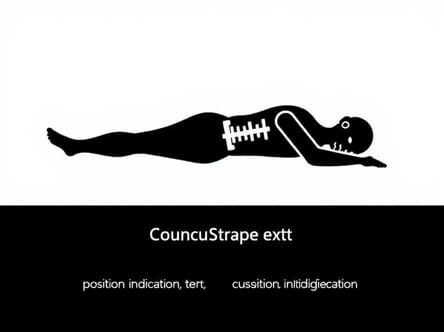
The supine position is one of the most commonly used patient positions in medical and surgical practice, where a person lies flat on their back with the face and torso facing upward. This position is widely employed for various examinations, treatments, and surgical procedures due to its accessibility and comfort for both patients and healthcare providers. Understanding the indications and contraindications of the supine position is crucial to ensure patient safety, optimize procedural effectiveness, and prevent potential complications associated with prolonged or inappropriate use of this position.
Definition and Overview of Supine Position
The supine position involves the patient lying flat on their dorsal surface, with arms either at the sides or positioned comfortably on armboards, depending on the clinical situation. It is often combined with slight modifications, such as elevating the head or legs, to accommodate specific procedures or improve patient comfort. This position allows easy access to the anterior body, facilitates monitoring of vital signs, and is ideal for many diagnostic, therapeutic, and surgical interventions.
Key Features of the Supine Position
- Patient lies flat on the back with face upward
- Arms can be positioned alongside the body or extended for intravenous access
- Legs remain straight or slightly bent depending on comfort and procedure requirements
- Head may be supported with a pillow or headrest
Indications for Supine Position
The supine position is indicated in a wide variety of medical, surgical, and diagnostic contexts. Its versatility makes it the preferred position for many routine and complex procedures. Key indications include
Surgical Procedures
Many surgical interventions require the patient to be in a supine position for optimal access to the anterior body and extremities. Common procedures include
- Abdominal surgeries, such as appendectomy, hernia repair, and exploratory laparotomy
- Cardiovascular procedures, including central line insertion and open-heart surgeries
- Orthopedic surgeries on the anterior portion of the body or limbs
- Plastic and reconstructive surgeries requiring anterior access
Diagnostic Procedures
Supine positioning facilitates accurate diagnostic evaluations. For example
- Radiographic imaging, including X-rays, CT scans, and MRI, especially for the chest, abdomen, and pelvis
- Ultrasound examinations of abdominal organs and heart (echocardiography)
- Electrocardiography (ECG) monitoring
- Endoscopic procedures requiring patient stability
Medical Treatments
The supine position supports several medical treatments and interventions, such as
- Administration of intravenous fluids and medications
- Respiratory therapy and oxygen administration in stable patients
- Cardiopulmonary resuscitation (CPR) when appropriate
- Physical examinations, including abdominal palpation and cardiac auscultation
Contraindications for Supine Position
While the supine position is generally safe, certain conditions and patient characteristics make it inappropriate or risky. Awareness of these contraindications helps prevent complications such as respiratory compromise, increased intracranial pressure, or circulatory disturbances.
Respiratory and Pulmonary Conditions
Patients with compromised respiratory function may struggle in a supine position due to restricted diaphragmatic movement and decreased lung expansion. Contraindications include
- Severe chronic obstructive pulmonary disease (COPD)
- Respiratory distress or failure requiring upright positioning
- Obstructive sleep apnea with significant airway obstruction
- Conditions causing orthopnea, such as congestive heart failure
Cardiovascular Conditions
In some cardiovascular situations, the supine position can exacerbate symptoms or compromise perfusion. Caution is necessary in cases of
- Severe hypotension, where lying flat may reduce venous return and exacerbate low blood pressure
- Cardiac tamponade or pericardial effusion, where supine positioning may worsen hemodynamic instability
- Advanced heart failure, particularly if fluid overload increases pulmonary congestion
Pregnancy Considerations
During late pregnancy, the supine position may cause compression of the inferior vena cava by the gravid uterus, leading to supine hypotensive syndrome. Symptoms include dizziness, nausea, pallor, and decreased uteroplacental perfusion. Alternative positions, such as the left lateral tilt, are recommended to relieve pressure and maintain maternal and fetal circulation.
Neurological and Orthopedic Contraindications
Certain neurological or musculoskeletal conditions may limit the suitability of the supine position
- Spinal injuries, particularly unstable fractures, where movement or positioning may exacerbate injury
- Severe kyphosis or scoliosis, which may prevent lying flat comfortably
- Recent cranial or facial surgeries that require head elevation
Precautions and Modifications
Even when indicated, the supine position may require adjustments to ensure patient comfort and safety. Precautions include
- Using pillows or wedges to support the head, neck, or knees
- Monitoring respiratory function and oxygen saturation, particularly in patients with underlying pulmonary conditions
- Regular repositioning during prolonged procedures to prevent pressure ulcers
- Ensuring safe arm placement to avoid nerve compression
- Employing a slight tilt in pregnant patients to prevent hypotensive complications
Clinical Importance
The supine position remains a cornerstone of clinical practice because it provides stable, accessible positioning for examinations, interventions, and surgical procedures. Its advantages include simplicity, patient comfort in many cases, and the ability to combine with other modifications for specialized procedures. However, understanding its contraindications is equally important to prevent adverse outcomes and ensure individualized patient care.
The supine position is a versatile and widely used posture in medical and surgical care, providing easy access to the anterior body and supporting numerous diagnostic and therapeutic procedures. Its indications range from routine examinations to complex surgeries, while contraindications relate to respiratory, cardiovascular, neurological, orthopedic, and pregnancy-related conditions. Proper patient assessment, careful monitoring, and appropriate modifications are essential to maximize the benefits of the supine position while minimizing risks. Awareness of both indications and contraindications ensures patient safety and optimal clinical outcomes across diverse healthcare settings.