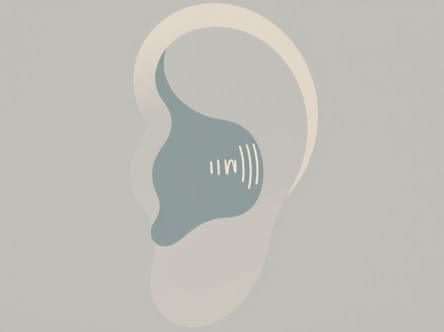
Total Ear Canal Ablation (TECA) is a specialized surgical procedure primarily performed in veterinary medicine, particularly for dogs suffering from severe or chronic ear diseases. The surgery involves the complete removal of the ear canal to alleviate pain, infection, and other complications associated with chronic otitis or tumors in the ear. This procedure is generally considered when conventional treatments, such as antibiotics, ear cleaning, or medications, have failed to provide relief. Understanding the purpose, procedure, recovery, and potential risks of TECA is essential for pet owners considering this option for their animals.
Understanding Total Ear Canal Ablation
Total Ear Canal Ablation is designed to eliminate the diseased portion of the ear canal that contributes to ongoing discomfort, infection, or hearing loss. By removing the ear canal entirely, TECA stops the cycle of chronic inflammation and infection, providing relief for pets who have been suffering from persistent ear problems. While this surgery results in permanent loss of hearing in the affected ear, it significantly improves the animal’s quality of life.
Indications for TECA
TECA is typically recommended in cases where ear disease is severe, persistent, or resistant to standard treatments. Common indications include
- Chronic otitis externa or media that does not respond to medical therapy
- Severe ear canal tumors
- Traumatic injuries to the ear canal
- Recurrent ear infections causing significant pain and discomfort
- Malformations or anatomical issues that prevent proper drainage and treatment
Benefits of the Procedure
The primary benefit of TECA is the resolution of chronic ear infections and associated pain. Animals that undergo the procedure often experience
- Elimination of persistent infections
- Reduction in inflammation and swelling
- Improved overall comfort and quality of life
- Prevention of further complications such as abscess formation or spreading infection
The TECA Surgical Procedure
Total Ear Canal Ablation is a complex surgical intervention that requires specialized veterinary expertise. The procedure is typically performed under general anesthesia and involves several precise steps to ensure safety and effectiveness.
Preparation for Surgery
Before surgery, the animal undergoes a thorough examination, including blood tests, imaging, and assessment of overall health to ensure suitability for anesthesia. The ear is cleaned, and any active infections are treated as much as possible to reduce surgical risks.
Surgical Steps
- The surgeon makes an incision around the ear canal and carefully removes the entire canal structure.
- The middle ear is examined, and any diseased tissue is addressed.
- The surrounding skin and tissue are reconstructed to create a smooth and functional ear area.
- Drains may be placed to prevent fluid accumulation, and the surgical site is closed with sutures.
Postoperative Care
After TECA, pets require close monitoring and supportive care to ensure proper healing. Postoperative care typically includes
- Pain management with prescribed medications
- Antibiotics to prevent infection
- Regular cleaning of the surgical site
- Restricted activity to allow tissues to heal properly
- Follow-up visits with the veterinarian to monitor recovery
Recovery and Rehabilitation
Recovery from TECA generally takes several weeks, during which pets gradually adjust to the anatomical changes in the ear. Most animals recover well and experience a significant reduction in pain and infection. While hearing on the affected side is lost, the other ear typically compensates, and pets adapt quickly.
Monitoring for Complications
Although TECA is highly effective, potential complications can occur, including
- Swelling or hematoma formation
- Infection at the surgical site
- Nerve damage affecting facial movement
- Poor wound healing or tissue breakdown
Prompt veterinary attention is necessary if any complications arise to ensure optimal outcomes.
Long-Term Outcomes
Long-term results of TECA are generally positive, with many pets experiencing permanent relief from chronic ear disease. Owners report improved quality of life, reduced pain, and decreased need for ongoing medical treatment. The loss of hearing in the affected ear is typically well-tolerated, and animals adapt to their environment over time.
Behavioral and Quality of Life Improvements
Pets who undergo TECA often show marked improvements in behavior, activity levels, and overall comfort. Chronic ear pain and infections can cause irritability, difficulty sleeping, and reduced interaction with owners. Post-surgery, animals are typically more relaxed, playful, and responsive.
Follow-Up Care
Even after full recovery, periodic check-ups are recommended to ensure that the surgical site remains healthy and free of complications. Owners are also advised to maintain regular grooming and monitoring of the remaining ear to prevent future issues.
Total Ear Canal Ablation is a highly effective surgical option for pets suffering from chronic or severe ear disease. By removing the diseased ear canal, TECA eliminates persistent infections, alleviates pain, and significantly improves quality of life. The procedure requires careful preoperative evaluation, skilled surgical technique, and diligent postoperative care to ensure optimal outcomes. Although hearing is lost on the affected side, pets typically adapt well, and the benefits of relief from chronic pain and infections outweigh the drawbacks. For animals with refractory ear disease, TECA offers a transformative solution that restores comfort and enhances long-term well-being.
In summary, Total Ear Canal Ablation is a vital procedure for managing severe or chronic ear conditions in pets. Understanding the indications, surgical process, recovery, and long-term outcomes allows pet owners to make informed decisions. With proper veterinary care and follow-up, TECA provides lasting relief, improved health, and a better quality of life for affected animals.