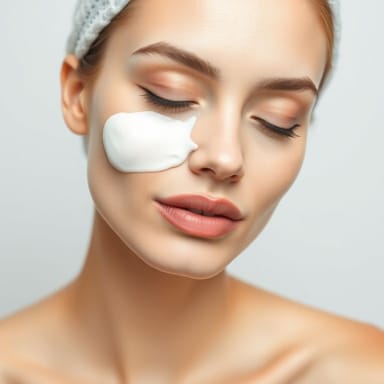
Topical chemotherapy creams have become an important treatment option for certain types of skin conditions, particularly non-melanoma skin cancers such as basal cell carcinoma and actinic keratosis. These creams allow medication to be applied directly to the affected area, targeting cancerous or precancerous cells while minimizing systemic side effects. Using chemo cream on the face requires careful attention to application methods, dosage, and skin care, as facial skin is delicate and highly sensitive. Understanding how to use these creams safely and effectively is essential for achieving the best therapeutic outcomes and reducing potential adverse reactions.
What Chemo Cream Is
Chemo creams, also known as topical chemotherapeutic agents, contain active ingredients such as 5-fluorouracil (5-FU) or imiquimod. These medications work by either interfering with the growth of abnormal cells or stimulating the immune system to attack precancerous lesions. Unlike systemic chemotherapy, which affects the entire body, topical chemo creams act locally, making them suitable for small, superficial lesions often found on the face, scalp, or other exposed areas.
Common Conditions Treated
- Actinic KeratosisRough, scaly patches caused by prolonged sun exposure.
- Basal Cell CarcinomaThe most common type of skin cancer, often slow-growing and localized.
- Squamous Cell Carcinoma in SituEarly-stage skin cancer confined to the top layer of skin.
- Other Precancerous LesionsAreas with abnormal cellular changes that could potentially develop into cancer if untreated.
How to Use Chemo Cream on the Face
Applying chemo cream to the face requires precision and adherence to a prescribed regimen. Generally, a thin layer of the cream is applied directly to the affected area using clean fingers or a cotton swab. Treatment duration can vary depending on the condition and severity, typically ranging from a few weeks to several months. Following medical instructions closely is crucial, as overuse or underuse can affect treatment outcomes.
Step-by-Step Application Guide
- Clean the AreaGently wash the face with mild soap and water, then pat dry.
- Apply a Thin LayerUse a small amount of cream to cover the lesion evenly without excessive rubbing.
- Wash HandsAlways wash hands thoroughly after application to prevent accidental contact with other areas.
- Avoid Sensitive AreasKeep the cream away from eyes, lips, and mucous membranes.
- Follow the ScheduleApply the cream exactly as prescribed, usually once or twice daily.
Potential Side Effects
Topical chemo creams can cause visible reactions at the treatment site. Redness, irritation, peeling, or swelling are common and generally indicate that the medication is working. Some individuals may experience burning or itching, which can be uncomfortable but usually subsides after treatment completion. In rare cases, severe reactions such as ulceration or infection may occur, requiring medical attention.
Managing Skin Reactions
- MoisturizersUse gentle, fragrance-free moisturizers to reduce dryness and peeling.
- Sun ProtectionAvoid direct sunlight on treated areas and use sunscreen to prevent further damage.
- Cold CompressApplying a cool, damp cloth can help relieve discomfort and redness.
- Consult a DoctorAny severe or persistent reaction should be reported to a healthcare provider.
Precautions and Safety Measures
Because the face is highly visible and sensitive, extra precautions are necessary when using chemo creams. Avoid applying the cream to broken skin, and refrain from using other harsh skincare products that may increase irritation. Additionally, avoid sharing the cream with others, as it is prescribed specifically for the individual’s medical condition.
Interactions with Other Products
Certain skincare products can interfere with the effectiveness of topical chemotherapy or exacerbate side effects. Products containing retinoids, exfoliating acids, or strong fragrances should be avoided during treatment. It is best to consult a dermatologist regarding any additional facial products to ensure compatibility with chemo cream therapy.
Monitoring Progress
Regular follow-up with a dermatologist is essential to monitor the effectiveness of chemo cream treatment. The doctor may assess changes in the lesion, including size, color, and texture, to determine if continued application or an alternative treatment is necessary. Photographs taken at intervals can also help track progress and document response to therapy.
When to Seek Medical Advice
- If the lesion worsens or new growths appear.
- If severe pain, swelling, or signs of infection develop.
- If unusual reactions occur beyond expected redness or peeling.
- For guidance on stopping or adjusting treatment based on progress.
Advantages of Using Chemo Cream on the Face
Topical chemotherapy offers several benefits compared to surgical interventions. It is non-invasive, avoids scarring, and allows for treatment of multiple lesions simultaneously. For patients with small or superficial skin cancers, chemo creams can be a highly effective treatment option, particularly when surgery is not feasible or desired. Additionally, using a localized therapy minimizes systemic exposure and reduces the risk of widespread side effects.
Complementary Care
Combining chemo cream therapy with proper skin care, sun protection, and healthy lifestyle choices can enhance outcomes. Maintaining hydration, using gentle cleansers, and avoiding excessive sun exposure help the skin tolerate treatment better and promote faster healing. Support from healthcare providers and adherence to prescribed regimens are crucial for achieving successful results.
Using chemo cream on the face can be an effective, non-invasive treatment for certain types of skin cancers and precancerous lesions. Understanding how to apply the cream, recognizing potential side effects, and following safety precautions are essential for maximizing therapeutic benefits. With careful monitoring and proper skincare, patients can treat facial lesions successfully while minimizing discomfort and cosmetic concerns. Consulting a dermatologist throughout the treatment process ensures safe and effective use of topical chemotherapy, helping individuals maintain both skin health and overall well-being.