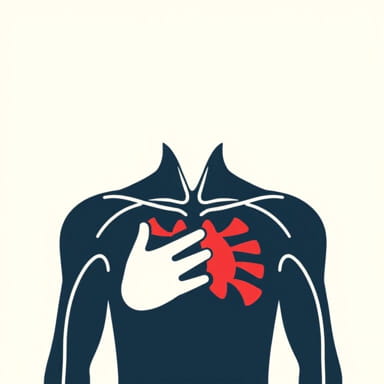
Crushing chest pain is a severe and often alarming symptom that can indicate a potentially life-threatening medical condition. This type of pain is typically described as intense pressure, squeezing, or heaviness in the chest and may radiate to the arms, neck, jaw, or back. While crushing chest pain is commonly associated with heart-related problems, it can also result from other medical issues such as respiratory, gastrointestinal, or musculoskeletal conditions. Understanding the causes, symptoms, and appropriate responses to crushing chest pain is crucial for prompt treatment and improved outcomes, as delays in addressing serious underlying conditions can be fatal.
Understanding Crushing Chest Pain
Crushing chest pain is not a disease itself but a symptom that signals a problem within the body, often involving the heart or surrounding structures. It can manifest suddenly or develop gradually, varying in intensity and duration. The sensation is frequently described as a heavy weight or tight band pressing on the chest, and may be accompanied by other warning signs such as shortness of breath, sweating, nausea, or dizziness. Recognizing these characteristics is essential for differentiating between life-threatening emergencies and less urgent causes.
Common Causes of Crushing Chest Pain
Several conditions can lead to crushing chest pain, ranging from cardiac emergencies to digestive issues. Understanding the cause helps guide appropriate medical evaluation and treatment.
- Heart Attack (Myocardial Infarction)The most critical cause, occurring when blood flow to a part of the heart is blocked, leading to tissue damage. Pain is often intense, persistent, and may radiate to the left arm, neck, jaw, or back.
- AnginaChest pain caused by reduced blood flow to the heart muscle. Typically triggered by physical exertion or emotional stress and relieved by rest or medication.
- PericarditisInflammation of the lining around the heart, causing sharp, stabbing, or pressure-like pain that may worsen with deep breathing or lying down.
- Pulmonary EmbolismA blood clot in the lungs can produce sudden, severe chest pain accompanied by shortness of breath, rapid heartbeat, or coughing up blood.
- Gastroesophageal Reflux Disease (GERD)Acid reflux can mimic heart-related pain, producing burning or pressure in the chest, often after eating or lying down.
- Musculoskeletal IssuesMuscle strain, rib injuries, or inflammation of the chest wall can create localized pressure or sharp pain, often worsened by movement.
Symptoms Accompanying Crushing Chest Pain
Crushing chest pain often does not occur in isolation. Identifying accompanying symptoms can help determine the severity and potential cause
- Shortness of breath or difficulty breathing
- Excessive sweating or clammy skin
- Nausea or vomiting
- Dizziness, lightheadedness, or fainting
- Pain radiating to the left arm, jaw, neck, shoulder, or back
- Palpitations or irregular heartbeat
- Anxiety, fear, or sense of impending doom
The presence of these symptoms alongside crushing chest pain is a medical emergency and warrants immediate attention.
Emergency Response to Crushing Chest Pain
Because crushing chest pain may indicate a life-threatening condition, prompt medical evaluation is essential. Immediate steps include
- Calling emergency services (911 or local emergency number) without delay
- Remaining calm and sitting or lying in a comfortable position while awaiting help
- Avoiding physical exertion that could worsen the condition
- Taking prescribed medications, such as nitroglycerin for known heart conditions, if recommended by a healthcare provider
- Keeping a record of symptoms, duration, and any factors that triggered the pain
Rapid intervention can be critical in cases of heart attack, pulmonary embolism, or other severe conditions causing crushing chest pain.
Diagnosis of Crushing Chest Pain
Healthcare professionals use various diagnostic tools to determine the cause of crushing chest pain. These include
- Electrocardiogram (ECG/EKG)Measures electrical activity of the heart to detect irregularities or evidence of a heart attack.
- Blood testsIdentify cardiac enzymes indicating heart muscle damage.
- Chest X-rayAssesses lung conditions, fractures, or other structural issues.
- EchocardiogramUses ultrasound to visualize heart function and detect abnormalities.
- Stress testsEvaluate the heart’s response to exercise or simulated stress conditions.
- CT or MRI scansExamine blood vessels, lungs, or other structures for clots, inflammation, or injury.
Accurate diagnosis ensures that the underlying cause is treated effectively, reducing the risk of complications and improving recovery outcomes.
Treatment Options
Treatment for crushing chest pain depends on the underlying cause. Options may include
Cardiac Causes
- Emergency interventions such as angioplasty or surgery for blocked coronary arteries
- Medications like aspirin, blood thinners, beta-blockers, or nitrates
- Lifestyle modifications including diet, exercise, and stress management
- Long-term cardiac rehabilitation programs
Respiratory Causes
- Anticoagulants or thrombolytic therapy for pulmonary embolism
- Oxygen therapy or bronchodilators for lung-related issues
- Monitoring and supportive care in severe cases
Gastrointestinal Causes
- Antacids, proton pump inhibitors, or H2 blockers for acid reflux
- Dietary adjustments to reduce triggers of chest discomfort
- Medications to relieve nausea or gastrointestinal pain
Musculoskeletal Causes
- Pain relievers such as acetaminophen or NSAIDs
- Physical therapy or stretching exercises for muscle strain
- Application of heat or cold packs to reduce inflammation
Prevention and Lifestyle Considerations
While not all causes of crushing chest pain can be prevented, lifestyle modifications can reduce risk and promote heart and overall health. Recommended strategies include
- Maintaining a balanced diet rich in fruits, vegetables, and whole grains
- Engaging in regular physical activity approved by a healthcare provider
- Avoiding smoking and limiting alcohol consumption
- Managing stress through relaxation techniques, meditation, or counseling
- Monitoring blood pressure, cholesterol, and other cardiovascular risk factors
Crushing chest pain is a serious symptom that requires immediate attention, as it may indicate life-threatening conditions such as heart attack, pulmonary embolism, or severe angina. Recognizing the signs, accompanying symptoms, and understanding the importance of rapid emergency response is essential for safety and survival. Diagnosis and treatment depend on identifying the underlying cause, which can involve cardiac, respiratory, gastrointestinal, or musculoskeletal issues. Preventive measures, lifestyle adjustments, and proper medical care play a critical role in reducing the risk of future episodes and improving overall health. Prompt action, awareness, and professional guidance are key to managing crushing chest pain effectively and protecting long-term well-being.