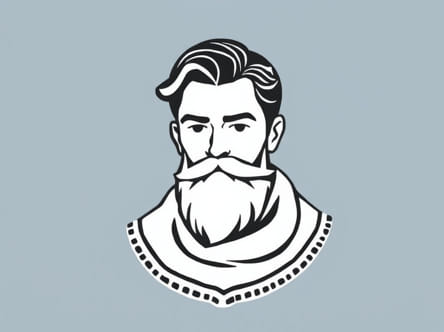
The word cravat” may sound old-fashioned to some, but its significance in fashion and culture is anything but outdated. The cravat has played a vital role in men’s clothing for centuries and continues to inspire modern fashion trends. Whether worn in formal ceremonies or as a casual fashion statement, the cravat carries a legacy of elegance, sophistication, and historical depth. To understand the definition of cravat, it’s important to look at its origins, uses, evolution, and modern interpretations. This topic explores the full meaning and importance of the cravat in both historical and contemporary contexts.
Origin and Etymology of Cravat
The word cravat comes from the French word cravate, which itself is a corruption of Croat. This refers to the Croatian soldiers who served in France during the 17th century. These soldiers wore a distinctive cloth tied around their necks, which caught the attention of the French. Eventually, this style became fashionable among the French upper class and spread across Europe.
In essence, the cravat was the forerunner of the modern necktie and bow tie. Its initial purpose was both decorative and functional, often used to keep the neck warm or as part of a military uniform.
Definition of Cravat
A cravat is a type of neckwear made from a strip of fabric, usually silk or cotton, that is tied around the neck in a decorative manner. Unlike a modern tie, which has a fixed shape and is worn in a narrow, vertical form, the cravat can be tied in various styles and often allows for more volume and flair. It is most commonly associated with 17th and 18th-century fashion but is still worn today on certain formal or ceremonial occasions.
Key characteristics of a cravat include
- Typically wider and shorter than a modern necktie
- Often made of fine materials such as silk, lace, or linen
- Tied in a bow or knot at the front of the neck
- Can be styled in many different ways depending on the occasion
Historical Significance
The cravat became an essential part of men’s formalwear in Europe during the 17th and 18th centuries. In many aristocratic and military circles, it was seen as a symbol of refinement and status. Over time, variations of the cravat began to emerge, leading to different styles that influenced the evolution of neckwear throughout history.
Notably, Beau Brummell, a prominent figure in Regency England, popularized the idea of the neatly tied cravat as a symbol of gentlemanly style. His influence shaped how the cravat was worn in the early 19th century and played a role in transforming men’s fashion in Britain and beyond.
Different Types of Cravats
Throughout its history, the cravat has taken on many forms. Understanding the different types helps clarify the definition of cravat and how it has evolved into other forms of neckwear.
- SteinkirkA loosely tied cravat often tucked into a waistcoat, worn during the late 17th century.
- AscotA more formal type of cravat often worn at weddings or horse races. It features a wide band with a central knot or pin.
- Day CravatA casual version of the cravat worn during the 19th century, usually tucked into a shirt.
- Modern cravatA fashion accessory worn under an open shirt collar, often seen as an alternative to a necktie.
How to Wear a Cravat
Wearing a cravat is relatively simple, but there are various ways to tie it depending on the desired style. It can be worn under a shirt with a pin or tied in a loose knot for a more relaxed look. It adds a touch of classic sophistication to formalwear and is often associated with weddings, vintage fashion, and historical reenactments.
Common methods of tying a cravat include
- Formal knotSimilar to a necktie knot, suitable for weddings and ceremonial events
- Ruched or scrunched styleTucked inside a shirt for a romantic, 19th-century appearance
- Loose knotA relaxed style often worn with an open-collared shirt
Cravat vs. Necktie What’s the Difference?
While the cravat is the ancestor of the modern necktie, the two are quite different in appearance and purpose. A cravat is broader, softer, and more flexible in its styling, often associated with leisure and elegance. The necktie, on the other hand, is usually worn in business or professional settings and is more structured and narrow in design.
Understanding this distinction is crucial when exploring the definition of cravat, as it helps highlight the stylistic and cultural differences between the two forms of neckwear.
Modern Use and Fashion
Today, the cravat is less common in everyday wear but remains a popular choice for certain occasions. It is often associated with vintage fashion, steampunk aesthetics, period dramas, and wedding attire. Some designers continue to incorporate cravats into their collections to add a sense of historical charm and individuality.
For people who appreciate timeless elegance or wish to make a distinctive fashion statement, wearing a cravat can be a stylish and meaningful choice. It reflects attention to detail and a respect for fashion history.
Symbolism and Cultural Associations
Beyond fashion, the cravat also holds cultural and symbolic value. In Croatia, for example, the cravat is celebrated as a national symbol and has its own commemorative day, known as Cravat Day, celebrated every October 18th. This cultural pride reinforces the cravat’s status as more than just a piece of fabric it represents identity, tradition, and heritage.
The definition of cravat extends beyond its physical description. It is a symbol of elegance, history, and cultural pride. From its military origins to its place in modern fashion, the cravat has evolved in many forms while maintaining its charm and grace. Whether worn in a formal setting or as a nod to historical style, the cravat continues to leave an impression as one of the most iconic and meaningful accessories in men’s fashion.