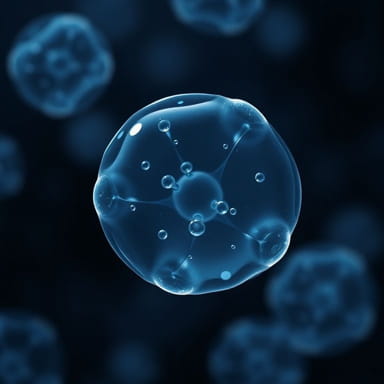
Cytoplasm is one of the fundamental components of a cell, playing a crucial role in maintaining cellular structure, facilitating biochemical reactions, and supporting organelles. Understanding cytoplasm is essential for students, researchers, and anyone interested in biology, as it forms the living substance that surrounds and protects the cell’s internal structures. Its dynamic nature and versatile functions make cytoplasm a central topic in cell biology. By exploring the definition, composition, functions, and importance of cytoplasm, one can gain a deeper appreciation of how cells sustain life and carry out complex biological processes.
Definition of Cytoplasm
Cytoplasm is the gel-like, semi-fluid substance that fills the interior of a cell, excluding the nucleus. It encompasses all cellular components located outside the nucleus but within the plasma membrane. This includes organelles such as mitochondria, ribosomes, endoplasmic reticulum, and vesicles. The cytoplasm serves as a medium in which these organelles are suspended and can function effectively. It is sometimes referred to as the cellular matrix because it provides both structural support and a site for metabolic activities.
Physical and Chemical Properties
The cytoplasm has a semi-fluid consistency, allowing molecules and organelles to move within it. It is primarily composed of water, which accounts for about 70-80% of its volume. Dissolved within this water are proteins, salts, sugars, nucleotides, and other small molecules essential for cell function. The cytoplasm’s viscosity and composition vary between different cell types and can change in response to environmental conditions or cellular activities. This fluid environment is crucial for processes such as diffusion, transport, and chemical reactions.
Composition of Cytoplasm
The cytoplasm is composed of several key components that contribute to its structure and function
- CytosolThe liquid portion of the cytoplasm, rich in water, ions, and soluble molecules.
- OrganellesMembrane-bound structures such as mitochondria, lysosomes, and the Golgi apparatus, which perform specialized functions.
- Cytoplasmic inclusionsNon-living substances like glycogen granules, lipid droplets, and pigment granules.
- CytoskeletonA network of protein filaments that maintains cell shape, enables movement, and organizes organelles.
This composition allows the cytoplasm to provide a supportive environment where biochemical reactions occur efficiently and organelles remain functional and organized.
Functions of Cytoplasm
Cytoplasm is not just a passive filler; it plays multiple essential roles in cellular life. Some of the main functions include
Support and Structure
The cytoplasm helps maintain the shape and integrity of the cell. The cytoskeleton within the cytoplasm provides mechanical support, helping the cell resist deformation and maintain its structure. This structural support is vital for cells that experience physical stress or need to move.
Medium for Biochemical Reactions
Many metabolic reactions, including glycolysis and protein synthesis, occur within the cytoplasm. Enzymes and substrates are suspended in the cytosol, allowing them to interact efficiently. The cytoplasm ensures that these reactions occur in a controlled environment, contributing to the overall metabolism and energy production of the cell.
Transport and Storage
Cytoplasm acts as a medium for the transport of molecules and organelles within the cell. It allows the diffusion of nutrients, ions, and waste products. Additionally, cytoplasmic inclusions serve as storage sites for essential substances, such as lipids and glycogen, which the cell can mobilize when needed.
Cellular Communication
Signaling molecules can move through the cytoplasm, enabling intracellular communication. This facilitates the coordination of processes between organelles, ensuring the cell functions harmoniously. For example, calcium ions often act as messengers that travel through the cytoplasm to regulate various cellular activities.
Importance in Cell Biology
The cytoplasm is fundamental to understanding cell biology because it is central to almost every cellular process. Its presence allows organelles to maintain their function, supports metabolic activities, and provides a dynamic environment for growth and division. Without cytoplasm, cells could not sustain life, as organelles would lack the medium needed for proper interaction and biochemical reactions.
In Plant and Animal Cells
In plant cells, the cytoplasm works in conjunction with the large central vacuole to maintain turgor pressure, which is essential for plant rigidity and structure. In animal cells, the cytoplasm helps distribute nutrients and signals efficiently among organelles and supports cell motility. Despite differences in cellular context, the cytoplasm remains a vital component in all eukaryotic cells.
Observation and Study of Cytoplasm
Scientists study cytoplasm using microscopes, staining techniques, and live-cell imaging to understand its dynamics and organization. Observations have revealed that the cytoplasm is not just a static fluid but a highly organized, dynamic network. This has advanced knowledge in cell biology, molecular biology, and medical research, providing insights into diseases that result from cytoplasmic dysfunction.
Disorders Related to Cytoplasm
Defects in cytoplasmic components can lead to various diseases. For instance, abnormalities in the cytoskeleton can cause issues in cell movement and division, contributing to cancer progression. Malfunctions in organelle distribution within the cytoplasm can affect energy production, leading to metabolic disorders. Studying the cytoplasm is therefore essential for understanding both normal cellular function and disease mechanisms.
The cytoplasm is a vital component of cells, providing a semi-fluid medium in which organelles are suspended and metabolic reactions occur. Its composition, including cytosol, organelles, inclusions, and the cytoskeleton, supports structural integrity, biochemical activity, transport, storage, and intracellular communication. Recognizing the definition and significance of cytoplasm is fundamental to understanding cell biology, as it plays a crucial role in sustaining life at the cellular level. Through continued research, the cytoplasm reveals its complexity, highlighting its importance in health, disease, and the intricate workings of living cells.