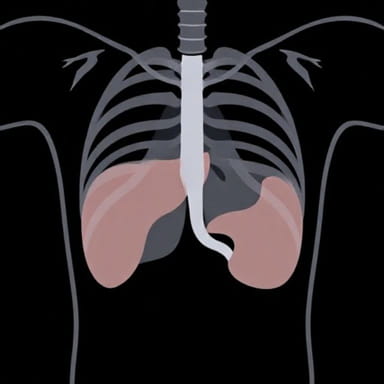
Pancreatic cancer is a severe and often fatal malignancy that affects the pancreas, a vital organ responsible for producing digestive enzymes and regulating blood sugar levels through insulin production. Early detection is notoriously difficult because pancreatic tumors often develop silently without producing obvious symptoms in the initial stages. While advanced imaging techniques such as computed tomography (CT) scans and magnetic resonance imaging (MRI) are preferred for diagnosis, X-rays can still play a role in the initial assessment, particularly when evaluating indirect signs, complications, or differential diagnoses associated with pancreatic cancer. Understanding the role of X-ray in pancreatic cancer detection, its limitations, and complementary imaging modalities is crucial for healthcare professionals managing this condition.
Understanding Pancreatic Cancer
Pancreatic cancer primarily arises from the exocrine cells of the pancreas, with adenocarcinoma being the most common type. Risk factors include age, smoking, chronic pancreatitis, diabetes, obesity, and family history of pancreatic or other gastrointestinal cancers. Symptoms often emerge late and may include abdominal pain, jaundice, weight loss, nausea, and changes in stool consistency. Because early pancreatic tumors are typically asymptomatic, imaging plays an essential role in identifying the disease before it progresses to an advanced stage.
Causes and Risk Factors
- Genetic predisposition and family history of pancreatic or gastrointestinal cancers
- Chronic pancreatitis or long-standing inflammation of the pancreas
- Smoking and excessive alcohol consumption
- Obesity and metabolic syndrome
- Diabetes mellitus, especially type 2 diabetes diagnosed later in life
Role of X-Ray in Pancreatic Cancer
X-ray imaging, while limited in directly visualizing pancreatic tumors, can provide important indirect evidence of pancreatic pathology. Abdominal X-rays may reveal calcifications, gas patterns, or obstruction in the gastrointestinal tract that could indicate a tumor or its complications. Historically, X-ray was used more frequently in the initial assessment of abdominal pain or jaundice, but with the advancement of CT and MRI technology, its role has become primarily adjunctive. Nevertheless, X-rays remain accessible, cost-effective, and quick, making them useful in initial evaluations or emergency settings.
Indications for X-Ray in Suspected Pancreatic Cancer
- Assessment of unexplained abdominal pain or discomfort
- Detection of bowel obstruction or ileus secondary to tumor pressure
- Evaluation of pancreatic calcifications, often associated with chronic pancreatitis
- Initial screening when advanced imaging is not immediately available
- Follow-up in post-surgical or palliative care settings
Types of X-Ray Views and Techniques
Standard abdominal X-ray may include multiple views such as supine, erect, or lateral decubitus positions. Each view offers a unique perspective on abdominal organs, potential masses, and gas patterns. Radiologists focus on abnormalities such as displacement of intestinal loops, abnormal densities, calcifications in the pancreas, or signs of biliary obstruction. While direct visualization of pancreatic tumors is uncommon on plain X-ray, the identification of secondary effects can guide further diagnostic steps.
Common Findings on X-Ray
- Pancreatic calcifications suggesting chronic pancreatitis, which may predispose to cancer
- Obstruction of the duodenum or small bowel due to tumor compression
- Dilated biliary tree visible as indirect evidence of a pancreatic head mass
- Displacement of surrounding organs, indicating mass effect
- Ascites or fluid accumulation in advanced disease
Limitations of X-Ray for Pancreatic Cancer
Despite its accessibility, X-ray has significant limitations in diagnosing pancreatic cancer. Tumors are often small, deep within the retroperitoneum, and may not alter the surrounding anatomy enough to be visible on plain radiographs. Additionally, soft tissue contrast is poor, making differentiation between normal pancreas and a mass difficult. Reliance solely on X-ray can result in missed early-stage tumors, delayed diagnosis, and poorer prognosis. Therefore, X-rays are generally used in conjunction with other imaging modalities rather than as a standalone diagnostic tool.
Why Advanced Imaging is Preferred
- CT scans provide detailed cross-sectional images of the pancreas, tumor, and surrounding structures
- MRI offers superior soft tissue contrast and can differentiate tumor tissue from normal pancreas
- Endoscopic ultrasound (EUS) allows high-resolution imaging and the possibility of guided biopsy
- Positron emission tomography (PET) helps detect metastasis and assess metabolic activity of the tumor
- Combination of imaging modalities improves diagnostic accuracy and treatment planning
Complementary Role of X-Ray
While X-ray is limited in detecting pancreatic tumors directly, it remains useful for evaluating complications or coexisting conditions. For instance, X-ray can identify bowel obstruction, gallstones, or calcifications indicative of chronic pancreatitis. In emergency scenarios, an abdominal X-ray can quickly provide information about acute abdominal issues that may overlap with pancreatic cancer symptoms, such as obstruction, perforation, or bleeding. Additionally, X-rays can assist in planning interventional procedures by offering a preliminary overview of abdominal anatomy.
Clinical Workflow Involving X-Ray
- Patient presents with non-specific abdominal symptoms
- Initial X-ray performed to assess for obstruction, calcifications, or abnormal gas patterns
- If findings suggest pancreatic pathology or remain inconclusive, follow-up with CT, MRI, or EUS
- Definitive diagnosis established using advanced imaging and biopsy when necessary
- Treatment planning includes surgical, chemotherapeutic, or palliative approaches depending on stage
Early Detection and Prognosis
Early detection of pancreatic cancer significantly improves prognosis, but plain X-ray rarely identifies early-stage tumors. Awareness of indirect signs, such as calcifications and obstruction patterns, can prompt timely use of advanced imaging. Prognosis is generally poor in late-stage diagnosis due to rapid disease progression and late symptom onset. Multimodal imaging, coupled with clinical vigilance, is essential for improving outcomes and guiding effective treatment.
Importance of Timely Diagnosis
- Early-stage detection increases eligibility for surgical resection, the most effective curative treatment
- Reduces the risk of metastasis to liver, lymph nodes, and peritoneum
- Allows for earlier initiation of chemotherapy or targeted therapy
- Improves overall survival rates and quality of life
Although X-ray has a limited direct role in detecting pancreatic cancer, it remains a useful tool for evaluating secondary signs, complications, and differential diagnoses. Its accessibility, speed, and cost-effectiveness make it suitable for initial assessments, especially in emergency settings. However, definitive diagnosis requires advanced imaging modalities such as CT, MRI, or EUS to visualize the tumor, assess its stage, and plan appropriate treatment. Understanding the complementary role of X-ray, along with its limitations, ensures a comprehensive approach to pancreatic cancer diagnosis and management, ultimately contributing to timely intervention and improved patient outcomes.