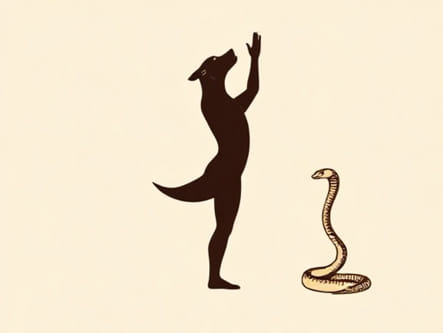
Yoga is a powerful practice that combines strength, flexibility, and mindfulness to promote physical and mental well-being. Among the numerous poses in yoga, backbends are particularly effective for improving spinal flexibility, opening the chest, and strengthening the back muscles. Two of the most commonly practiced backbends are Upward Dog (Urdhva Mukha Svanasana) and Cobra Pose (Bhujangasana). While these poses appear similar at first glance, they have distinct alignments, benefits, and considerations that make them suitable for different practitioners and purposes. Understanding the nuances of Upward Dog vs Cobra can help yoga enthusiasts optimize their practice and avoid injuries.
Understanding Cobra Pose
Cobra Pose, or Bhujangasana, is a gentle backbend often used in yoga sequences like Surya Namaskar (Sun Salutations). It primarily involves lifting the chest while keeping the pelvis and legs grounded. Cobra is considered accessible to beginners and provides a moderate stretch for the spine and chest.
How to Perform Cobra Pose
- Lie face down on the mat with legs extended and tops of the feet pressing into the floor.
- Place your palms beneath your shoulders, elbows close to the body.
- Inhale and gently lift your chest while keeping the lower ribs and pelvis on the mat.
- Keep your shoulders relaxed and away from the ears, gaze slightly forward or upward.
- Hold the pose for a few breaths, then exhale to lower down slowly.
Benefits of Cobra Pose
- Strengthens the spine, shoulders, and chest
- Improves flexibility in the back and opens the chest
- Stimulates abdominal organs, aiding digestion
- Reduces stress and fatigue by encouraging deep breathing
- Gentle enough for beginners and those with mild back stiffness
Considerations for Cobra Pose
- Keep the pelvis grounded to prevent lower back strain
- Avoid overextending the neck; maintain a comfortable gaze
- Use props like a folded blanket under the pelvis if needed for support
Understanding Upward Dog Pose
Upward Dog, or Urdhva Mukha Svanasana, is a more intense backbend commonly used in advanced yoga practices and dynamic sequences. Unlike Cobra, Upward Dog lifts the pelvis and thighs off the mat, placing weight on the hands and tops of the feet. This pose provides a deeper stretch and stronger engagement of the upper body.
How to Perform Upward Dog
- Begin lying face down, with legs extended and tops of the feet pressing into the mat.
- Place palms beneath the shoulders and press firmly through the hands.
- Inhale, lift the chest, and engage the legs so that thighs and pelvis are lifted off the mat.
- Press the tops of the feet and hands into the floor for support, lengthen the spine, and open the chest.
- Maintain a strong core and engaged glutes to protect the lower back, hold for a few breaths, then exhale to release.
Benefits of Upward Dog Pose
- Strengthens the spine, arms, wrists, and shoulders
- Deeply opens the chest and stretches the abdomen
- Improves posture by counteracting slouching and hunching
- Engages core and leg muscles, promoting full-body stability
- Enhances energy and vitality through invigorating back extension
Considerations for Upward Dog Pose
- Requires more upper body strength and spinal flexibility than Cobra
- Avoid if you have wrist, shoulder, or lower back injuries
- Keep shoulders away from ears and engage the core to protect the lower back
Key Differences Between Upward Dog and Cobra
While both poses serve as backbends and chest openers, the differences between Upward Dog vs Cobra are significant for proper practice and alignment
- Pelvis PositionIn Cobra, the pelvis stays grounded; in Upward Dog, the pelvis and thighs lift off the mat.
- IntensityUpward Dog is more intense, requiring greater strength in the arms, shoulders, and core, whereas Cobra is gentle and beginner-friendly.
- Muscle EngagementUpward Dog actively engages glutes, legs, and arms; Cobra primarily engages the back muscles and chest.
- Range of MotionCobra allows a moderate lift of the chest, suitable for mild back stretching; Upward Dog provides a deeper backbend and stronger chest opening.
- Use in Yoga SequencesCobra is commonly used as a transitional pose or for gentle back extension; Upward Dog is typically incorporated into more vigorous flows or as a peak pose in sequences like Sun Salutations B.
Choosing the Right Pose for Your Practice
Selecting between Upward Dog and Cobra depends on your flexibility, strength, and overall yoga experience. Beginners or individuals with lower back stiffness may benefit more from Cobra, which provides a safe and accessible backbend. Intermediate and advanced practitioners can incorporate Upward Dog for a more challenging full-body stretch and strength-building pose. Additionally, modifications and props can help safely transition from Cobra to Upward Dog over time.
Modifications and Props
- Use a folded blanket under the pelvis in Cobra for support and comfort
- Keep elbows slightly bent if straight arms cause discomfort in Upward Dog
- Focus on lifting through the chest rather than forcing the spine into extreme extension
Integrating Cobra and Upward Dog in Yoga Practice
Both poses can complement each other in yoga sequences. Practitioners often start with Cobra to warm up the spine and gradually progress to Upward Dog for deeper engagement. Combining these poses with other backbends, hip openers, and core-strengthening poses ensures balanced development of strength and flexibility while reducing the risk of injury. Proper alignment, breath awareness, and mindful movement remain key to maximizing benefits.
Sample Sequence Incorporating Both Poses
- Begin in Child’s Pose for grounding and breath awareness
- Move into Cobra Pose for gentle back extension
- Transition to Upward Dog to engage full-body strength and deepen the stretch
- Follow with Downward Dog to counterpose and stretch the spine and hamstrings
- Repeat the sequence 3-5 times, maintaining mindful breathing and alignment
Understanding the differences between Upward Dog vs Cobra allows yoga practitioners to safely incorporate backbends into their practice, targeting the spine, chest, and core while minimizing risk of injury. Cobra Pose provides a gentle and accessible option for beginners and those seeking moderate spinal extension, while Upward Dog offers a deeper, more challenging backbend that strengthens the entire body. By integrating both poses thoughtfully, individuals can enjoy the physical, mental, and emotional benefits of yoga, including improved posture, spinal flexibility, core strength, and enhanced energy. Mindful practice, attention to alignment, and gradual progression from Cobra to Upward Dog ensure a safe, effective, and rewarding yoga experience for practitioners of all levels.
Ultimately, whether choosing Cobra, Upward Dog, or both, these backbends serve as valuable tools for cultivating strength, flexibility, and mindfulness, making them essential components of a balanced yoga practice.