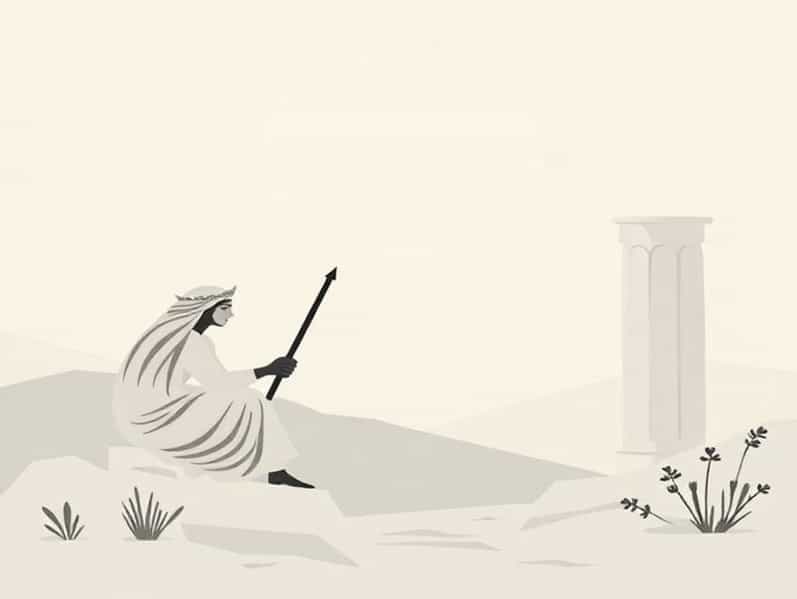
The scene involving Artemisia and Themistocles is one of the most compelling moments in ancient history, combining political intrigue, military strategy, and personal courage. Artemisia, the queen of Halicarnassus, was a prominent naval commander during the Greco-Persian Wars, while Themistocles, the Athenian strategist, played a decisive role in the Greek resistance against Persia. Their encounter is often depicted as a dramatic episode that highlights contrasting approaches to warfare, leadership, and diplomacy. Understanding this scene requires not only a grasp of historical context but also an appreciation of the personalities, motivations, and stakes involved in one of history’s most famous naval confrontations.
Historical Context of the Greco-Persian Wars
The Greco-Persian Wars were a series of conflicts between the Greek city-states and the Persian Empire during the 5th century BCE. The Persian Empire, under King Xerxes, sought to expand its territory into mainland Greece, threatening the autonomy of the Greek city-states. Themistocles, an Athenian politician and general, recognized the importance of naval power and was instrumental in building the Athenian fleet, which became crucial in resisting the Persian advance. Artemisia, as a loyal ally to Xerxes, commanded a contingent of ships and demonstrated remarkable strategic skill in the battles that followed.
The Role of Artemisia
Artemisia was not only a queen but also a capable military commander, an unusual role for women in the ancient world. She ruled Halicarnassus and neighboring cities and contributed five ships to the Persian fleet. Her strategic thinking was marked by boldness and pragmatism. Historical accounts, especially those of Herodotus, highlight her intelligence, courage, and ability to navigate the complexities of war. During the naval engagements, she demonstrated a willingness to take calculated risks, sometimes in defiance of her Persian superiors, showcasing her tactical acumen.
The Role of Themistocles
Themistocles, in contrast, embodied Greek ingenuity and resilience. His understanding of naval strategy and his ability to inspire and coordinate the Greek fleets were pivotal during the Persian invasions. Themistocles advocated for the concentration of Greek forces at strategic locations, emphasizing the use of triremes and maneuverability over sheer numbers. His foresight and political skill allowed the Greek city-states to unite against a formidable enemy, setting the stage for encounters with leaders like Artemisia.
The Famous Encounter
The encounter between Artemisia and Themistocles is most famously associated with the Battle of Salamis in 480 BCE, a turning point in the Greco-Persian Wars. According to historical sources, Themistocles recognized Artemisia’s skill and valor during the engagement. In a critical moment, Artemisia maneuvered her ships to evade capture and even reportedly sank a friendly Persian vessel to escape, demonstrating both audacity and strategic cunning. Her actions caught the attention of Themistocles, who reportedly remarked on her exceptional capabilities, acknowledging her as a formidable adversary despite her allegiance to the Persian cause.
Strategic Implications
Artemisia’s and Themistocles’ interaction had significant strategic implications. Artemisia’s maneuvers disrupted Persian formations, indirectly aiding the Greek fleet. Themistocles’ recognition of her tactics exemplifies the mutual respect that could exist even between opposing commanders. Their encounter illustrates that leadership in war is not merely a function of loyalty or nationality but also of skill, adaptability, and decisiveness under pressure.
Diplomatic and Psychological Dimensions
Themistocles’ acknowledgment of Artemisia also had diplomatic and psychological dimensions. By respecting an enemy commander’s abilities, he reinforced the idea of honor and competence as essential qualities in leadership. For the Greeks, recognizing Artemisia’s prowess could serve as both a warning and a lesson in strategy, highlighting the importance of understanding enemy tactics. Conversely, Artemisia’s ability to challenge expectations of gender and rank demonstrated the psychological dimension of warfare, where reputation, perception, and daring maneuvers could influence morale and outcomes.
Lessons from the Scene
The Artemisia-Themistocles scene offers several lessons for military historians, strategists, and even modern leaders. It underscores the importance of intelligence, adaptability, and psychological insight in warfare. Both commanders displayed situational awareness and the capacity to make critical decisions under pressure, qualities that remain relevant in contemporary leadership studies. Furthermore, the encounter exemplifies how respect for skill and ingenuity transcends loyalty and enmity, providing a model of ethical recognition in competitive contexts.
Leadership and Decision-Making
Artemisia’s decisive actions in battle demonstrate the impact of confident and informed decision-making. Her willingness to take responsibility for her fleet, even when facing superior forces, highlights the role of initiative in effective leadership. Themistocles, on the other hand, illustrates the importance of observation, analysis, and the ability to anticipate an opponent’s moves. Together, they show that leadership in complex situations requires both bold action and careful assessment of circumstances.
Gender and Military Authority
Artemisia’s prominence challenges assumptions about gender roles in ancient warfare. Her recognition by Themistocles underscores that competence, strategy, and courage were acknowledged regardless of gender. This episode serves as an important historical example of women exercising authority and influence in domains typically dominated by men, offering inspiration and insight for discussions on leadership and gender equity.
Legacy and Historical Interpretation
The encounter between Artemisia and Themistocles has been immortalized in historical texts, art, and literature, often emphasizing the drama and tension of naval warfare. Herodotus’ account highlights both the heroism and cunning of Artemisia, portraying her as a figure of admiration even among her adversaries. Themistocles’ acknowledgment of her skill has been interpreted as a testament to his strategic wisdom and capacity to recognize talent in unexpected places.
Influence on Military History
This scene has influenced the study of naval tactics and leadership for centuries. Military historians examine Artemisia’s maneuvers and Themistocles’ responses to understand decision-making under uncertainty, the importance of positioning, and the psychological dimensions of command. The encounter remains a case study in the effective use of limited resources against superior forces and the value of strategic insight over brute strength.
Cultural and Educational Impact
Beyond military history, the scene has cultural and educational significance. It highlights themes of courage, ingenuity, and the recognition of talent regardless of societal norms. Educators and writers often use the Artemisia-Themistocles encounter to illustrate the complexity of historical figures, showing that human actions are shaped by intelligence, circumstance, and personal character.
The Artemisia and Themistocles scene is a rich historical episode that combines strategy, leadership, and human drama. Artemisia’s audacious maneuvers and Themistocles’ strategic insight demonstrate the interplay of skill, courage, and perception in shaping historical outcomes. Their encounter at the Battle of Salamis provides enduring lessons on decision-making, respect for talent, and the dynamics of conflict. As a study in leadership, gender, and military strategy, this scene continues to captivate historians, educators, and readers, illustrating the timeless relevance of courage, intelligence, and ethical recognition in the pursuit of success.