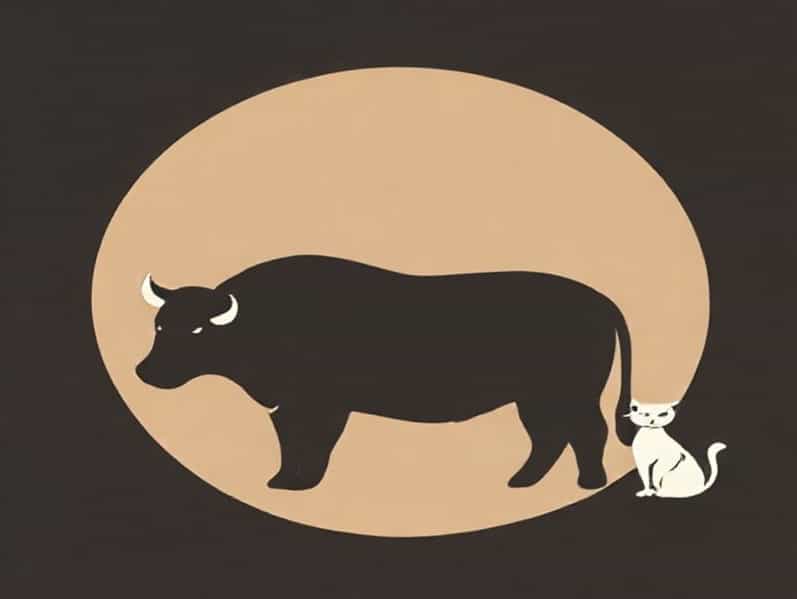
The classification of animals into groups such as bovine, ursine, canine, and feline helps us understand the diversity, behavior, and evolutionary history of the animal kingdom. These categories represent distinct biological families that share common physical traits, dietary habits, and ecological roles. From the domestic cow to the majestic lion, each of these groups contributes uniquely to ecosystems, agriculture, and human culture. By examining bovine, ursine, canine, and feline species, we can gain insights into their adaptations, interactions with humans, and conservation challenges, highlighting the importance of biodiversity and responsible wildlife management.
Bovine The Hoofed Herbivores
Bovine refers to members of the biological family Bovidae, which includes domestic cattle, bison, buffalo, and related species. These animals are primarily herbivorous, feeding on grasses and other vegetation, and are characterized by cloven hooves, large bodies, and complex stomachs adapted for digesting fibrous plant material. Bovine species have played a crucial role in human societies for thousands of years, providing meat, milk, leather, and labor.
Physical Characteristics and Behavior
Bovine animals typically have sturdy builds, strong legs for grazing and migration, and horns that vary in shape and size depending on the species. They are social creatures, often forming herds for protection and social interaction. Herd behavior not only reduces the risk of predation but also aids in finding food and navigating seasonal migrations.
Human Interaction
- DomesticationCattle have been domesticated for millennia, serving as a primary source of nutrition and labor in agriculture.
- ConservationWild bovines, such as bison and certain buffalo species, require habitat protection due to declining populations.
- Economic ImportanceDairy and meat industries rely heavily on bovine species, influencing global agriculture and trade.
Ursine The Bear Family
Ursine animals belong to the family Ursidae, which includes various bear species such as the brown bear, polar bear, black bear, and giant panda. Bears are typically large mammals with strong bodies, sharp claws, and omnivorous diets. They occupy a wide range of habitats, from arctic tundras to tropical forests, and are known for their intelligence, adaptability, and diverse behaviors.
Diet and Habits
Ursine species exhibit varied diets, with some, like polar bears, relying primarily on meat, while others, like giant pandas, feed predominantly on bamboo. Bears often hibernate during winter months in colder regions, conserving energy when food is scarce. Their solitary nature distinguishes them from social herbivores, although some species may exhibit social interactions during mating seasons or in abundant food areas.
Conservation and Human Impact
- Endangered SpeciesSeveral bear species face threats from habitat loss, climate change, and poaching.
- Human-Bear ConflictBears sometimes encroach on human settlements, leading to conflicts that require careful management.
- Ecological RoleAs apex predators or keystone species, bears help maintain the balance of ecosystems by controlling prey populations and dispersing seeds.
Canine The Dog Family
Canine animals, members of the family Canidae, include domestic dogs, wolves, foxes, coyotes, and jackals. Known for their keen senses, agility, and pack behavior, canines have evolved to thrive in diverse environments, from forests and deserts to urban areas. Their adaptability and intelligence have made them some of the most successful predators and companions in the animal kingdom.
Social Structure and Communication
Many canine species, such as wolves, live in structured social groups called packs. Pack behavior involves cooperative hunting, territory defense, and complex social hierarchies. Domestic dogs, while varied in behavior, retain instincts inherited from their wild ancestors, including loyalty, pack dynamics, and communication through vocalizations and body language.
Human Interaction
- DomesticationDogs have been domesticated for thousands of years, serving as companions, guards, and working animals.
- ConservationWild canines, including wolves and foxes, face challenges from habitat destruction and human encroachment.
- Ecological ImportanceCanines play critical roles as predators, controlling populations of herbivores and other small animals.
Feline The Cat Family
Feline animals belong to the family Felidae, encompassing species such as lions, tigers, domestic cats, leopards, and cheetahs. Felids are carnivorous predators known for their agility, stealth, and sharp retractable claws. They occupy diverse habitats worldwide, from dense forests to grasslands, and are celebrated for their hunting prowess and independence.
Hunting and Behavior
Felines are generally solitary hunters, although exceptions exist, such as lions, which live in prides. Their hunting strategies often involve stalking and ambushing prey with precise, calculated movements. Domestic cats, while smaller and adapted to human environments, retain many of these instincts, including pouncing, stalking, and territorial behavior.
Conservation and Cultural Significance
- Endangered SpeciesBig cats like tigers and leopards face severe threats from poaching, habitat loss, and human-wildlife conflict.
- CompanionshipDomestic cats have become beloved pets worldwide, valued for companionship and pest control.
- Cultural SymbolismFelines are often associated with power, grace, and mystery in various cultures.
Comparative Overview
Examining bovine, ursine, canine, and feline animals highlights the diversity of adaptations and ecological roles in the animal kingdom. Bovine species exemplify herd dynamics and herbivory, supporting human agriculture and ecosystems. Ursine species demonstrate adaptability and omnivorous diets, serving as key ecological players. Canines showcase social structures, intelligence, and domestication success, while felines represent stealth, predation, and cultural fascination. Together, these groups illustrate the breadth of mammalian evolution, emphasizing the importance of conserving diverse species and understanding their interactions with humans and the environment.
Understanding the relationships, behaviors, and ecological significance of bovine, ursine, canine, and feline animals enriches our appreciation for biodiversity and the natural world. Each family contributes uniquely to ecosystems and human society, from providing sustenance and companionship to maintaining ecological balance. By studying these animal groups, we gain insights into evolution, adaptation, and the importance of conservation. Awareness and responsible stewardship of wildlife ensure that future generations can continue to learn from and benefit from the remarkable diversity represented by bovine, ursine, canine, and feline species.