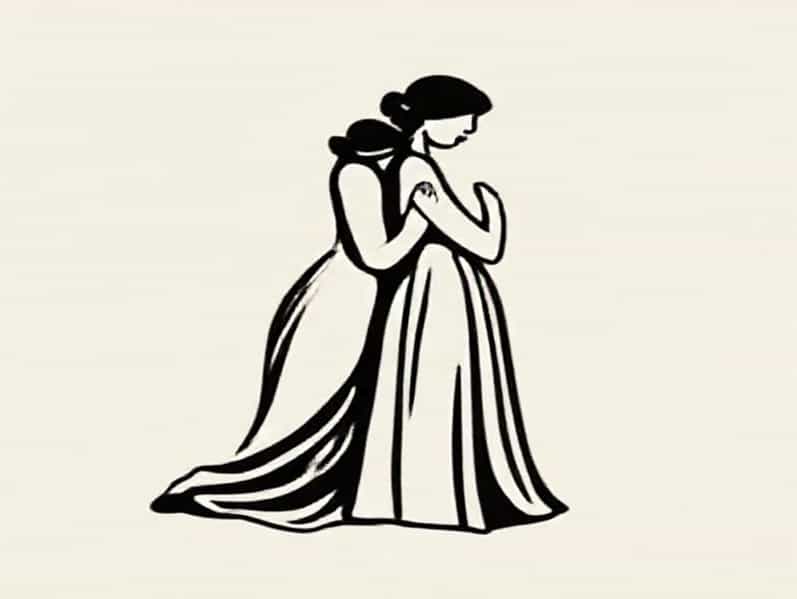
The story of Camille Claudel and Auguste Rodin is one of the most fascinating and tragic narratives in the history of art. Their relationship, marked by passion, creativity, and conflict, deeply influenced both of their artistic careers and personal lives. Camille Claudel, a gifted sculptor in her own right, entered Rodin’s life as a student and assistant, quickly becoming his muse, collaborator, and lover. Their bond, while intensely creative, was also fraught with emotional turbulence, societal pressures, and personal struggles, leaving a legacy that continues to captivate historians, artists, and the public alike. Understanding the nuances of their relationship sheds light on the challenges faced by women artists in a male-dominated world and the complex interplay between love and ambition in the realm of art.
The Early Years Meeting and Mentorship
Camille Claudel was born in 1864 in Fère-en-Tardenois, France, and showed artistic talent from a young age. She moved to Paris to study sculpture, eventually joining the atelier of Auguste Rodin, one of the most prominent sculptors of the era. At first, their connection was strictly professional; Claudel was Rodin’s pupil and assistant, helping him on major commissions such as The Gates of Hell. However, it quickly became clear that their relationship extended beyond mentorship. Claudel’s skill, creativity, and unique artistic vision impressed Rodin, and she gradually earned a place as both a collaborator and a muse in his life.
Artistic Collaboration
The collaboration between Claudel and Rodin was intense and mutually influential. Claudel contributed to some of Rodin’s most famous works, adding her own artistic flair while absorbing lessons from his techniques. During this period, Claudel also developed her own signature style, emphasizing emotional intensity and expressive forms. Works such as The Waltz and The Mature Age reflect her distinctive approach and hint at the personal experiences that would later define her art. Their collaboration blurred the lines between teacher and student, mentor and protégé, ultimately creating a dynamic that was both professionally productive and emotionally charged.
The Romantic Dimension
By the late 1880s, Camille Claudel and Auguste Rodin’s relationship had evolved into a romantic one. Despite the significant age difference Rodin was twenty-four years her senior they shared a passionate and often turbulent connection. Claudel became a central figure in Rodin’s life, both personally and artistically. Their romance, however, was complicated by Rodin’s long-standing relationship with Rose Beuret, his lifelong companion, and by societal expectations that constrained the behavior of women, particularly those in the arts.
Love and Conflict
The emotional intensity of Claudel and Rodin’s relationship was mirrored in their work. Many scholars argue that the tension, longing, and conflict in their personal lives are reflected in their sculptures. While their love inspired Claudel’s most daring creations, it also brought emotional strain. Claudel sought recognition and independence, yet she was constantly overshadowed by Rodin’s fame and influence. Their romantic involvement was marked by periods of closeness and separation, leading to emotional volatility that impacted both their personal and professional lives.
Challenges and Societal Pressures
The relationship between Claudel and Rodin was not only complicated by personal dynamics but also by societal expectations and the rigid structures of the art world. Women sculptors in the late 19th and early 20th centuries faced significant barriers to recognition, funding, and exhibition opportunities. Claudel struggled to assert herself as an independent artist while navigating a romantic relationship with one of the most powerful figures in the French art scene. The societal norms of the time often undermined her ambitions and made it difficult for her to escape Rodin’s shadow, despite her extraordinary talent.
Professional Rivalry
As Claudel’s reputation grew, tensions with Rodin became more pronounced. She was ambitious, seeking to establish her own identity as a sculptor rather than remaining in the role of assistant or muse. Rodin’s immense influence, combined with their personal entanglements, created a situation in which Claudel’s independence was constantly tested. Their artistic rivalry, whether intentional or subconscious, added strain to their personal relationship and contributed to Claudel’s eventual emotional and psychological struggles.
The Breakdown and Legacy
By the early 1900s, Claudel’s relationship with Rodin had deteriorated. The combination of personal conflict, professional frustration, and societal pressures took a toll on her mental health. Claudel became increasingly isolated, ultimately leading to her institutionalization in 1913, where she remained for the rest of her life. Despite these tragedies, her work endured, gaining recognition posthumously for its emotional depth, technical mastery, and unique vision. Her sculptures, once overshadowed by Rodin, are now celebrated as remarkable achievements in their own right.
Influence on Rodin
While Claudel’s career was deeply affected by her relationship with Rodin, she also left a lasting impact on him. Rodin’s work during their time together shows a sensitivity and intensity that many historians attribute to Claudel’s influence. Their collaboration and romance shaped not only the trajectory of Claudel’s career but also aspects of Rodin’s creative development. The interplay between inspiration and tension in their relationship exemplifies the complex ways personal and professional lives can intersect in the world of art.
Camille Claudel’s Recognition Today
Today, Camille Claudel is recognized as a pioneering sculptor whose work captures the emotional and psychological depth of human experience. Her sculptures, including The Waltz, The Age of Maturity, and Sakuntala, continue to be studied and admired for their expressiveness and technical skill. Modern scholarship often emphasizes her struggles against societal constraints and the overshadowing presence of Rodin, highlighting her resilience and creative vision. Museums in France and around the world display her works, and her story is frequently cited in discussions about gender, art, and historical injustice in the arts.
Lessons from Their Relationship
The relationship between Camille Claudel and Auguste Rodin offers multiple lessons about the complexities of mentorship, collaboration, and romance in artistic contexts. It illustrates the potential for mutual inspiration, but also the risks of emotional entanglement and professional dependency. Claudel’s life underscores the importance of recognizing women artists on their own terms, rather than solely in relation to male counterparts. At the same time, their story reveals how deeply personal experiences can influence artistic creation, making the study of their relationship relevant not only to art historians but to anyone interested in the intersections of love, ambition, and creativity.
- Camille Claudel and Rodin had a complex mentor-student relationship that evolved into romance.
- Their collaboration produced influential works, blending personal experience with artistic expression.
- Societal pressures and gender roles significantly affected Claudel’s career and personal life.
- Their relationship involved both mutual inspiration and professional rivalry.
- Claudel’s work is now celebrated independently, highlighting her unique contributions to sculpture.
The story of Camille Claudel and Auguste Rodin is a powerful example of how personal relationships can shape artistic trajectories. Their bond, full of passion, creativity, and conflict, left a profound mark on the history of sculpture. Claudel’s struggle for recognition, independence, and self-expression within the context of her relationship with Rodin remains a poignant narrative, shedding light on the challenges faced by women artists and the intricate connections between love and artistic creation. Today, Claudel is celebrated not merely as Rodin’s muse or lover, but as a remarkable sculptor whose vision and talent continue to inspire and captivate audiences around the world.