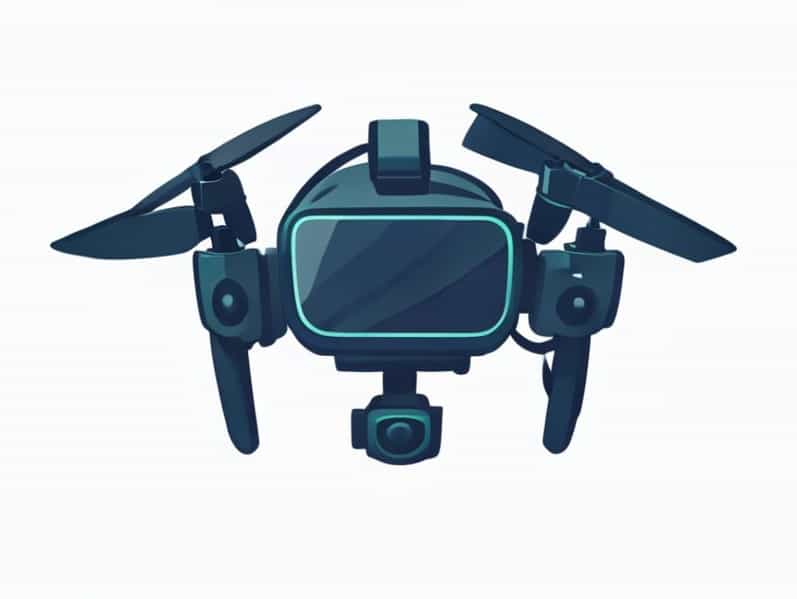
The combination of drones with VR headsets represents a revolutionary leap in personal aviation and immersive technology. This innovation allows users to experience first-person flight from the comfort of their own homes, bringing the thrill of aerial exploration to new heights. Drone technology has advanced rapidly over the last decade, while virtual reality has evolved to provide realistic, immersive experiences. Together, drones with VR headsets offer a unique way to view landscapes, capture breathtaking footage, and engage in interactive activities that were previously unimaginable. This integration appeals not only to hobbyists and photographers but also to professionals in fields such as surveying, real estate, and filmmaking.
Understanding Drones with VR Headsets
A drone with a VR headset is essentially a system where the operator uses a headset to receive a live video feed from the drone’s camera. This setup creates a first-person view (FPV) experience, making the user feel as if they are onboard the drone itself. Unlike traditional drone flying using a remote controller and screen, VR headsets provide a full 360-degree immersive perspective, enhancing spatial awareness and control precision. The combination of head tracking, high-resolution video, and responsive controls makes these systems ideal for both casual enthusiasts and professional applications.
Key Components
- DroneEquipped with a high-quality camera, gimbal stabilization, and wireless transmission capabilities.
- VR HeadsetProvides a live feed and tracks head movements to adjust the drone’s perspective in real-time.
- ControllerAllows the user to maneuver the drone while the headset delivers visual feedback.
- Transmission SystemEnsures low-latency video streaming between the drone and the headset.
Advantages of Using a Drone with VR Headset
The integration of drones with VR headsets offers several distinct advantages. It provides a sense of immersion that traditional drone controls cannot match, allowing users to navigate complex environments with greater precision. Additionally, VR drones are ideal for filming, as they offer a direct, real-time view of camera angles, enabling photographers and videographers to capture cinematic shots more effectively. For recreational users, the thrill of first-person flight adds an exciting dimension to drone piloting.
Main Benefits
- Enhanced immersion and realistic flying experience.
- Improved camera control for professional photography and videography.
- Greater precision and awareness in maneuvering drones through tight spaces.
- Interactive and engaging experience for gaming and recreational purposes.
- Potential for educational and training applications, such as flight simulation and surveying practice.
Applications of Drones with VR Headsets
The applications of drones with VR headsets extend beyond recreational enjoyment. They are increasingly being used in professional fields that require precision, detailed visual feedback, and immersive perspectives. Industries like real estate, agriculture, filmmaking, and environmental monitoring benefit from VR drone technology, as it allows operators to observe environments from unique angles and gather crucial data efficiently.
Professional Uses
- Real EstateProviding virtual property tours that allow potential buyers to experience homes from a bird’s-eye view.
- FilmmakingCapturing dynamic aerial shots with precise control over camera angles in real-time.
- Surveying and MappingConducting land surveys, environmental assessments, and infrastructure inspections with enhanced accuracy.
- AgricultureMonitoring crop health and irrigation patterns using immersive aerial perspectives.
- Search and RescueEnhancing situational awareness in emergency scenarios by providing responders with a first-person view from drones.
Choosing the Right VR Drone Setup
Selecting a drone with VR headset involves considering several important factors. Video quality, latency, flight stability, and comfort of the headset all contribute to the overall experience. Additionally, users should consider the intended application, whether it’s for recreational use, professional photography, or industry-specific tasks. Battery life, range, and ease of setup also play significant roles in determining the effectiveness of a VR drone system.
Factors to Consider
- Video ResolutionHigh-definition cameras provide clear and detailed visuals.
- LatencyLow-latency transmission is crucial for real-time response and control.
- Headset ComfortErgonomic design ensures prolonged use without discomfort.
- Drone StabilityFeatures like GPS stabilization and gimbals improve flight smoothness.
- Battery LifeLonger flight times allow extended sessions without frequent interruptions.
Tips for Flying a Drone with a VR Headset
Flying a drone with a VR headset requires some practice to ensure safety and efficiency. Beginners should start in open spaces to become accustomed to the immersive perspective. Monitoring the surrounding environment is also essential, as VR headsets can limit peripheral awareness. Utilizing spotters or keeping a line of sight with the drone is recommended, especially for longer or complex flights. Additionally, understanding the controls and calibrating both the drone and headset before flight can significantly enhance the overall experience.
Best Practices
- Start with short flights to familiarize yourself with the VR perspective.
- Always fly in open areas to minimize risk of collisions.
- Use spotters when flying beyond direct line of sight.
- Ensure proper calibration of the drone and VR headset before each flight.
- Check battery levels and signal strength to prevent mid-flight interruptions.
The Future of VR Drone Technology
As technology advances, drones with VR headsets are expected to become even more sophisticated. Improvements in wireless transmission, battery efficiency, AI-assisted navigation, and headset resolution will provide increasingly realistic and responsive flying experiences. Integration with augmented reality could also allow for overlaying digital information onto real-world views, offering exciting opportunities for training, gaming, and professional applications. The future of VR drone technology promises to merge entertainment, education, and industry in new, immersive ways.
Potential Innovations
- Longer flight durations through improved battery technology.
- AI-assisted obstacle avoidance and autonomous flight options.
- Enhanced VR headsets with lighter weight and higher resolution.
- Integration with augmented reality for interactive applications.
- Expanded use in fields like remote education, tourism, and emergency response.
Drones with VR headsets represent a remarkable fusion of aviation and immersive technology, offering unique experiences that combine fun, creativity, and professional utility. By providing first-person perspectives, improved camera control, and interactive engagement, VR drones transform the way users explore the skies and interact with the environment. Whether for recreational purposes, professional applications, or educational use, this technology continues to evolve and capture the imagination of enthusiasts and professionals alike. As VR drone systems become more advanced and accessible, their impact on entertainment, industry, and education is likely to grow, redefining the possibilities of immersive flight experiences for the years to come.