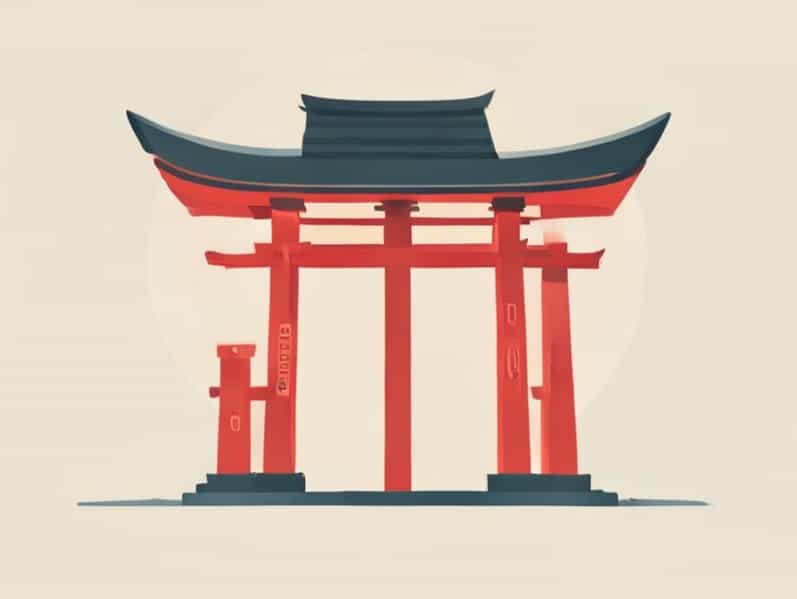
The gate to a Shinto shrine, known as a torii, is one of the most iconic symbols of Japanese culture and religion. These structures mark the entrance to sacred spaces where the kami, or Shinto deities, are believed to dwell. A torii serves as a transition point from the mundane world to the spiritual realm, inviting visitors to leave worldly concerns behind and enter a space of reverence and contemplation. While simple in design, the torii carries profound symbolic meaning, reflecting centuries of religious tradition, aesthetic principles, and cultural values that continue to shape Japanese society today. Understanding the history, design, and cultural significance of these gates provides insight into the enduring influence of Shintoism in Japan.
History of the Torii Gate
The origin of the torii gate is somewhat debated among historians, but it is generally believed to have appeared in Japan over a thousand years ago. Torii gates are closely associated with Shinto shrines, which themselves date back to early Japanese religious practices. Initially, these gates may have been simple wooden structures serving as markers for sacred areas, gradually evolving into the elaborate and stylized designs we see today. The torii became a standardized symbol of Shintoism during the Heian period (794 1185), solidifying its role as an emblem of spiritual passage.
Symbolism of the Torii Gate
The torii gate carries deep spiritual symbolism. It represents the boundary between the human and divine realms, marking the entrance to a space where visitors are expected to show respect and purify themselves before approaching the shrine. Passing through a torii is more than a physical act; it is a ritual gesture of humility and devotion. The gate’s vertical and horizontal elements are thought to symbolize harmony between heaven and earth, while its presence at a shrine signals the sacredness of the site and the sanctity of the kami within.
Design and Construction
Torii gates come in a variety of designs, materials, and sizes, each reflecting regional styles, historical periods, and the importance of the shrine. The simplest type, called shinmei torii, consists of two upright posts and a single horizontal lintel. More elaborate versions, such as the myōjin torii, include curved upper lintels, additional crossbars, and decorative elements. Traditionally, torii are made of wood or stone, but modern examples may use metal or concrete for durability. Red or vermilion paint is common, symbolizing protection against evil spirits and inviting the favor of the kami.
Types of Torii Gates
- Shinmei ToriiCharacterized by straight lines and minimal decoration, often found at ancient shrines.
- Myōjin ToriiFeatures curved upper lintels and more ornamental design, commonly seen at major shrines.
- Stone ToriiBuilt from stone, usually unpainted, signifying permanence and endurance.
- Floating ToriiIconic gates, such as the one at Itsukushima Shrine, appear to float on water, creating a visually striking entrance.
- Colored ToriiPainted primarily in red or vermilion to symbolize vitality, protection, and spiritual energy.
Rituals and Practices at the Gate
Visitors to a Shinto shrine often perform specific rituals when approaching and passing through a torii gate. It is customary to bow briefly before entering, acknowledging the sacredness of the space. Some shrines encourage cleansing rituals, such as washing hands and rinsing mouths at a temizuya (purification fountain) near the entrance. Walking through the torii symbolizes leaving behind impurity and worldly distractions, allowing worshippers to approach the shrine with a pure mind and heart. Respectful conduct, quiet reflection, and mindful movement through the gate reinforce the spiritual significance of this sacred threshold.
Cultural and Artistic Significance
Beyond their religious role, torii gates have inspired Japanese art, architecture, and photography. Their simple yet elegant forms have been captured in paintings, woodblock prints, and contemporary media. The striking contrast of a vermilion torii against natural backdrops, such as forests, mountains, or coastal waters, emphasizes harmony between human craftsmanship and the natural world. Torii also appear in festivals, ceremonies, and cultural events, highlighting their continued importance as symbols of heritage and spiritual identity.
Famous Torii Gates in Japan
Several torii gates have achieved international recognition due to their historical significance, architectural beauty, or unique locations. Examples include
- Itsukushima ShrineThe floating torii on Miyajima Island, known for appearing to float on water during high tide, is a UNESCO World Heritage site.
- Fushimi Inari TaishaLocated in Kyoto, this shrine features thousands of vermilion torii forming pathways up the sacred mountain, creating a mesmerizing visual experience.
- Heian ShrineKnown for its large, brightly colored torii, which serves as a gateway to the shrine’s expansive grounds and gardens.
Impact on Tourism and Society
Torii gates have become iconic symbols for tourists visiting Japan, representing both spiritual tradition and cultural identity. Many visitors photograph the gates, participate in local festivals, and learn about Shinto beliefs through the experience of passing through these sacred entrances. Torii contribute to cultural preservation, encouraging awareness and appreciation of Japan’s religious heritage while enhancing the aesthetic appeal of shrines for locals and travelers alike.
Modern Interpretations and Innovations
In contemporary Japan, torii gates continue to evolve in design and function. Some modern shrines incorporate innovative materials, lighting, or interactive elements while maintaining traditional symbolism. Urban installations and art projects also reinterpret the torii in creative ways, blending historical meaning with contemporary expression. Despite these innovations, the core purpose of the torii to signify a threshold to sacred space remains unchanged, demonstrating the resilience and adaptability of this enduring symbol.
The gate to a Shinto shrine, or torii, is much more than a simple architectural feature. It represents a spiritual boundary, a cultural icon, and an artistic inspiration. From its historical origins to its modern interpretations, the torii embodies the principles of Shinto belief, Japanese aesthetics, and cultural continuity. Passing through a torii invites reflection, respect, and a connection to the sacred, offering both locals and visitors a tangible experience of Japan’s spiritual and cultural heritage. Whether admired for its beauty, explored for its history, or revered for its religious significance, the torii remains a defining feature of the Japanese landscape and an enduring symbol of the country’s rich traditions.