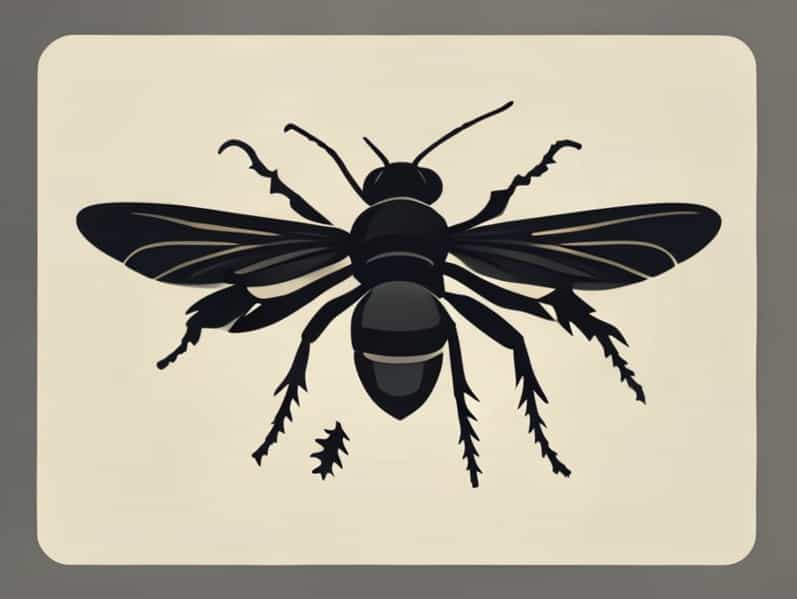
The giant clubbed mydas fly, known scientifically as Mydas clavatus, is one of the most remarkable and visually striking insects found in North America. Its massive size, distinctive clubbed antennae, and wasp-like appearance make it a fascinating subject for entomologists and nature lovers alike. Despite its intimidating look, this insect is harmless to humans and plays an important ecological role in its environment. Understanding the behavior, appearance, and life cycle of the giant clubbed mydas fly reveals just how unique this species truly is.
Appearance and Identification
The giant clubbed mydas fly is often mistaken for a wasp due to its black body, narrow waist, and orange-tinted markings. This form of mimicry, called Batesian mimicry, helps protect the fly from predators that avoid stinging insects. Measuring around 25 to 30 millimeters (1 to 1.25 inches) in length, it ranks among the largest flies in North America. Its wings are clear with a subtle brownish tint, while its body is covered in fine hairs that shimmer under sunlight.
Distinctive Features
- AntennaeThick and club-shaped, setting it apart from most other flies.
- ColorationPredominantly black with orange on the abdomen and sometimes reddish-brown highlights on the thorax.
- SizeMuch larger than common houseflies or horseflies.
- Flight BehaviorStrong and purposeful, resembling that of a wasp.
These features make the giant clubbed mydas fly easy to recognize for those familiar with insect anatomy. Even casual observers are often startled by its size and resemblance to stinging insects, but it’s entirely harmless.
Habitat and Distribution
The Mydas clavatus can be found across much of the eastern and central United States, particularly in areas with dry, sandy soils. It prefers open woodlands, meadows, and grasslands where it can easily find food sources and suitable breeding grounds. During the warmer months, especially from June to August, adult flies can be spotted resting on tree trunks, leaves, or flowers.
Its distribution extends from the Great Plains to the Atlantic coast, with higher concentrations reported in states such as Texas, Florida, and Georgia. While sightings may appear rare due to its brief adult lifespan, the giant clubbed mydas fly is more common than most people realize.
Preferred Environments
- Open forests and wooded edges
- Prairies and grasslands
- Gardens and backyards with flowering plants
- Sandy or well-drained soils for larval development
The adult fly’s affinity for sunny, open habitats is linked to its feeding habits, which primarily involve visiting flowers for nectar.
Diet and Feeding Habits
The diet of the giant clubbed mydas fly changes dramatically over the course of its life cycle. Like many other fly species, the larvae and adults occupy completely different ecological niches and feed on entirely different food sources.
Larval Diet
The larvae are predatory and live underground. They feed on beetle grubs, especially the larvae of scarab beetles, which inhabit the soil. By preying on these beetle larvae, mydas fly larvae play a valuable role in controlling pest populations that can damage plants and crops. This makes them beneficial insects for gardeners and farmers alike.
Adult Diet
Once they emerge as adults, the feeding behavior changes completely. Adult mydas flies primarily feed on nectar from flowers. They are often seen visiting blossoms of milkweed, wild carrot, or other summer-blooming plants. This feeding activity not only sustains the flies but also aids in pollination, making them minor but helpful contributors to local ecosystems.
- Nectar is the main food source for adults.
- Larvae prey on beetle grubs found in the soil.
- Adults are often found feeding during the warmest parts of the day.
Although their lifespan as adults is short typically only a few weeks they spend this time actively feeding and reproducing to continue the species’ life cycle.
Life Cycle and Behavior
The life cycle of the giant clubbed mydas fly follows a complete metamorphosis egg, larva, pupa, and adult. Each stage is distinct and adapted to a different environment. Females lay their eggs in soil or decaying wood, often near areas where beetle larvae are abundant. The newly hatched larvae immediately begin hunting for prey underground.
Larval development can take several months or even a full year depending on climate and food availability. Once they have matured, the larvae pupate in the soil, emerging as adults during the warm summer months. Adults live only briefly, just long enough to feed, mate, and reproduce.
Behavioral Traits
- Adults are solitary and do not form colonies.
- They fly during the daytime and are most active in warm weather.
- Mimicry of wasps helps them avoid predation by birds and other insectivores.
- Adults spend much of their time near flowers or tree trunks.
The wasp-like behavior of the giant clubbed mydas fly such as its hovering flight and erratic movement adds to its deceptive appearance, further discouraging predators from attacking it.
Role in the Ecosystem
Despite their short adult life and limited population density, giant clubbed mydas flies are important to their ecosystems. The larvae help regulate beetle populations that could otherwise harm vegetation, while adults serve as minor pollinators. They also act as prey for birds, reptiles, and other insect-eating creatures, maintaining balance within food webs.
Ecological Benefits
- Predation ControlLarvae reduce pest beetle numbers in the soil.
- PollinationAdults contribute to the pollination of wildflowers.
- Biodiversity SupportTheir presence supports predator-prey relationships within ecosystems.
Even though they are not as well-known as bees or butterflies, mydas flies quietly perform their ecological duties with remarkable efficiency.
Human Perception and Misidentification
Because of their large size and wasp-like appearance, giant clubbed mydas flies are often feared when encountered. However, they do not bite or sting and are completely harmless to humans and pets. Their intimidating look serves as a defense mechanism rather than a threat. Observing one up close reveals its elegance and importance as a part of nature’s balance.
In fact, these flies are often a delight for photographers and naturalists, who appreciate their rare beauty and striking form. Educating the public about the difference between the giant clubbed mydas fly and stinging insects helps reduce unnecessary fear and promotes awareness of their ecological value.
Interesting Facts About the Giant Clubbed Mydas Fly
- The species name clavatus comes from the Latin word for club, referring to its distinctive antennae shape.
- Despite being large and fast-flying, it is not aggressive and rarely interacts with humans.
- The larvae are sometimes found in decaying logs, especially where beetle activity is high.
- They are one of the largest flies in North America, rivaled only by certain horsefly species.
- Adults are often active for only a short period each summer, making sightings special for insect enthusiasts.
Conservation and Observation
The giant clubbed mydas fly is not considered endangered, but its population depends on healthy ecosystems that support beetle larvae and flowering plants. Urbanization and habitat loss can reduce suitable environments for these insects. Encouraging native vegetation and avoiding excessive pesticide use helps maintain their presence in local habitats.
Nature enthusiasts who wish to observe this fly can look for it on sunny days in open fields or forest edges during midsummer. Patience and keen observation are often rewarded with a rare glimpse of this impressive species.
The giant clubbed mydas fly, Mydas clavatus, is an extraordinary insect that combines beauty, ecological importance, and evolutionary adaptation. Its large size and wasp mimicry make it both fascinating and misunderstood. By playing roles as a predator in its larval stage and a pollinator as an adult, it contributes to the delicate balance of nature. While it may look intimidating at first glance, understanding its harmless nature and beneficial habits reveals a creature worthy of admiration and protection. In the complex world of insects, few species embody both strength and subtlety as elegantly as the giant clubbed mydas fly.