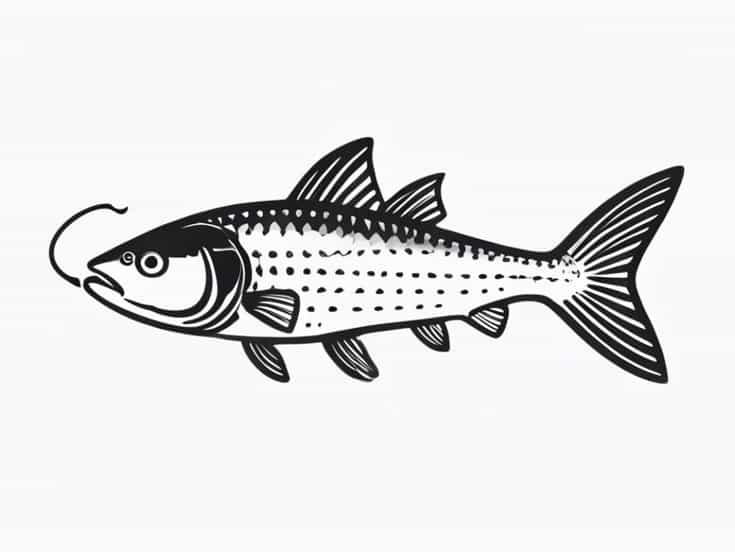
The Ripsaw Catfish, known for its distinctive armored appearance and sharp lateral plates, has become an intriguing subject for aquarists, biologists, and fishing enthusiasts alike. Pictures of Ripsaw Catfish help showcase their unique morphology, which includes elongated bodies, bony plates, and a serrated tail edge that resembles a saw blade. These images not only capture the aesthetic appeal of this fascinating freshwater species but also serve as educational resources to understand their behavior, habitat, and role in the aquatic ecosystem. Examining photographs of Ripsaw Catfish allows enthusiasts and researchers to appreciate their complexity and the adaptations that make them effective bottom dwellers.
Understanding the Ripsaw Catfish
The Ripsaw Catfish, scientifically known asOxydoras niger, is native to South American rivers, particularly the Amazon and Orinoco basins. Its common name comes from the sharp, saw-like lateral plates that run along the sides of its body, giving it both a distinctive look and defensive advantage against predators. In photographs, these bony ridges are often highlighted, emphasizing the species’ unique adaptation and rugged appearance.
Physical Characteristics
When viewing pictures of Ripsaw Catfish, several key features are immediately noticeable. These include
- Elongated body covered with hard, protective plates
- Flattened head and broad mouth adapted for bottom feeding
- Barbels around the mouth used for sensing food in murky waters
- Strong, serrated lateral plates resembling a ripsaw blade
High-quality photographs often capture these traits in detail, allowing hobbyists and researchers to study anatomical features without direct contact with the fish. The color ranges from dark gray to black, with lighter underbellies, which are more visible in well-lit pictures taken in aquariums or natural habitats.
Habitats and Behavior
Pictures of Ripsaw Catfish also reveal insights into their natural behavior and environment. This species typically resides in slow-moving rivers, flooded forests, and areas with dense submerged vegetation. Photographs taken in the wild often depict them hiding among rocks, driftwood, and leaf litter, reflecting their nocturnal and bottom-dwelling habits. Observing these images helps aquarists replicate natural conditions in captivity, ensuring the catfish thrives in home aquariums.
Feeding Habits
Ripsaw Catfish are omnivorous scavengers. In pictures showing feeding activity, one can see them using their barbels to detect food, scraping algae from surfaces, or consuming detritus. These images are particularly useful for educators and hobbyists to illustrate the fish’s role in maintaining a balanced ecosystem, where they help clean the substrate and control organic waste.
Importance of Photographs for Aquarists
For aquarium enthusiasts, pictures of Ripsaw Catfish serve multiple purposes. They can assist in identifying healthy specimens, understanding growth stages, and planning suitable tank setups. Images also help enthusiasts learn about the ideal tank conditions, such as substrate types, hiding spaces, and compatible tank mates. By studying photographs, aquarists can anticipate behavior patterns and reduce stress for the fish by creating environments that mimic their natural habitats.
Captive Care Guidance
- Use soft, sandy substrate to prevent damage to their armored plates
- Provide plenty of hiding spots using driftwood, rocks, or aquatic plants
- Maintain water quality with moderate flow and regular filtration
- Feed a balanced diet including sinking pellets, vegetables, and protein-based foods
Photographs showing Ripsaw Catfish interacting with tank decor and other species offer valuable visual cues for maintaining optimal care and understanding social dynamics in captivity.
Scientific and Educational Value
Beyond aquarists, pictures of Ripsaw Catfish are vital for educational and scientific purposes. They allow researchers to document anatomical variations, study growth patterns, and observe behavioral interactions without disturbing natural populations. Images captured during field research contribute to ichthyology studies and help in conservation efforts by providing visual evidence of habitat preferences and environmental challenges.
Visual Studies and Research Applications
Some of the research applications of Ripsaw Catfish photographs include
- Comparative morphology analysis with other Doradidae species
- Behavioral studies based on feeding and social interactions
- Conservation monitoring to track population health in the wild
- Educational resources for schools, aquariums, and wildlife programs
Capturing the Best Images
Photographing Ripsaw Catfish presents certain challenges due to their nocturnal habits and bottom-dwelling lifestyle. Aquatic photographers often use specialized lighting and slow shutter speeds to capture details of their armored plates and unique body structure. In aquariums, macro photography techniques help highlight textures, colors, and the serrated lateral ridges that define the species. These images serve not only aesthetic purposes but also contribute to scientific understanding and public appreciation of the species.
Tips for Aquatic Photography
- Use diffused lighting to reduce glare on armored plates
- Focus on capturing the natural posture and behavior of the fish
- Include elements like substrate and decor for context
- Use macro lenses to highlight small anatomical details such as barbels and fins
Pictures of Ripsaw Catfish provide a window into the fascinating world of this armored freshwater species. They highlight the unique physical features, natural behaviors, and environmental adaptations that make the Ripsaw Catfish an interesting subject for aquarists, researchers, and educators. Through images, enthusiasts can appreciate the aesthetic beauty and ecological role of this fish, while scientists can use photographs for studies in behavior, anatomy, and conservation. Whether for educational purposes, aquarium planning, or wildlife appreciation, high-quality images of Ripsaw Catfish continue to inspire curiosity and deepen understanding of one of South America’s remarkable freshwater species.