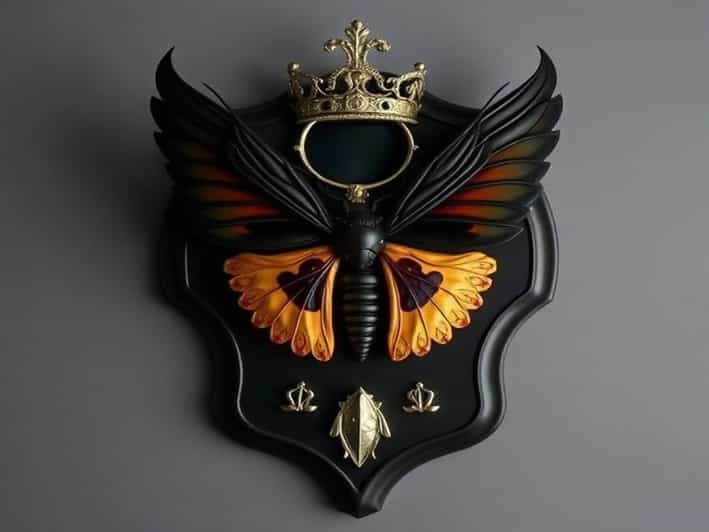
The Queen Alexandra’s birdwing is one of the most spectacular and largest butterflies in the world, renowned for its vibrant colors and impressive wingspan. Native to the rainforests of Papua New Guinea, this butterfly has become a symbol of conservation due to its rarity and endangered status. Taxidermy of the Queen Alexandra’s birdwing allows enthusiasts, researchers, and museums to preserve and display this magnificent insect, offering a unique opportunity to study its anatomy, coloration, and patterns up close. Understanding the practice of Queen Alexandra’s birdwing taxidermy involves exploring its history, techniques, ethical considerations, and the role it plays in education and conservation awareness.
Introduction to Queen Alexandra’s Birdwing
Queen Alexandra’s birdwing (Ornithoptera alexandrae) is a member of the family Papilionidae and is considered the largest butterfly species in the world. Female butterflies can have a wingspan of up to 28 centimeters, with males slightly smaller but equally striking in appearance. Their wings are characterized by iridescent greens, blacks, and blues, creating a visually stunning display that attracts attention from collectors, researchers, and conservationists. The species was named in honor of Queen Alexandra of the United Kingdom, and it inhabits only specific rainforest regions, making it highly vulnerable to habitat destruction and climate changes.
Habitat and Conservation Status
The natural habitat of the Queen Alexandra’s birdwing is limited to the lowland rainforests of Oro Province in Papua New Guinea. These forests provide the host plants necessary for the butterfly’s larval stage, particularly Aristolochia species. Deforestation, agricultural expansion, and human settlement have significantly reduced their habitat, placing the species at critical risk. As a result, Queen Alexandra’s birdwing is listed as endangered by the International Union for Conservation of Nature (IUCN). Taxidermy and preserved specimens play a vital role in raising awareness about the butterfly’s delicate status and the urgent need for rainforest conservation.
The Art and Science of Taxidermy
Taxidermy is the practice of preserving and mounting animals for display, study, or educational purposes. While often associated with mammals and birds, insect taxidermy has become an important method for preserving delicate species like the Queen Alexandra’s birdwing. Proper taxidermy allows researchers to examine the butterfly’s morphology, wing patterns, and structural adaptations without harming live populations. For museums and educational institutions, taxidermy provides an opportunity to showcase species that are rare or endangered, contributing to scientific knowledge and public appreciation.
Techniques in Butterfly Taxidermy
Taxidermy of butterflies requires careful handling due to their fragile wings and bodies. The process begins with obtaining ethically sourced specimens, often from deceased butterflies found in natural habitats or breeding programs. The specimen is then relaxed using specialized techniques to soften the body and wings without causing damage. The wings are carefully spread and pinned into position on a foam board to retain their natural shape. After drying and preservation, the butterfly is mounted in a display case with proper labeling, including scientific name, location, and date. This meticulous process ensures that the specimen remains intact and visually representative of the live butterfly.
Ethical Considerations in Taxidermy
Due to the endangered status of Queen Alexandra’s birdwing, ethical considerations are paramount. Collecting live specimens from the wild is strictly regulated to prevent further population decline. Many taxidermists rely on specimens from breeding programs, natural deaths, or confiscated illegal trade to conduct preservation. Museums and educational institutions emphasize responsible sourcing to balance the educational value of taxidermy with conservation priorities. Ethical practices also involve promoting awareness about the species’ endangered status and discouraging private collection that could threaten wild populations.
Educational and Scientific Benefits
Queen Alexandra’s birdwing taxidermy serves multiple educational and scientific purposes. Preserved specimens allow students, researchers, and the general public to study the butterfly’s unique features up close, including wing coloration, venation, and sexual dimorphism. Taxidermy specimens are also used in scientific research to monitor morphological changes, document biodiversity, and support conservation efforts. By presenting these butterflies in museums and educational displays, taxidermy helps raise awareness about rainforest conservation, endangered species, and the importance of protecting delicate ecosystems.
Display and Preservation
Once preserved, the Queen Alexandra’s birdwing can be displayed in a variety of settings, from museum exhibits to educational classrooms. Display cases protect the specimen from physical damage, dust, and humidity, ensuring long-term preservation. In addition to traditional glass cases, modern methods include UV-resistant acrylic enclosures and controlled climate environments to maintain vibrant coloration and prevent deterioration. Proper labeling and information panels enhance the educational value by providing context about the species’ habitat, lifecycle, and conservation status.
Role in Conservation Awareness
Taxidermy specimens of Queen Alexandra’s birdwing play a crucial role in promoting conservation awareness. Seeing the butterfly up close helps people understand the fragility of rainforest ecosystems and the importance of protecting endangered species. Exhibits often include information about deforestation, habitat destruction, and ongoing conservation efforts. By connecting the public with the beauty and rarity of this species, taxidermy encourages responsible behavior, support for preservation programs, and engagement with environmental initiatives.
Challenges in Preserving Queen Alexandra’s Birdwing
Preserving Queen Alexandra’s birdwing presents unique challenges due to the butterfly’s size, delicate wings, and vibrant colors. The wings are prone to damage from handling, humidity, and light exposure. Maintaining the iridescent hues requires careful control of environmental conditions and the use of specialized preservation techniques. Furthermore, obtaining specimens ethically is a challenge because of strict legal protections and the limited natural population. Taxidermists must balance the desire to preserve and educate with the need to respect and protect wild populations.
Future of Butterfly Taxidermy
The future of Queen Alexandra’s birdwing taxidermy lies in responsible and sustainable practices. Advances in digital imaging, 3D modeling, and high-resolution photography may complement traditional taxidermy, allowing virtual displays of rare species without physical specimens. Nonetheless, physical taxidermy will continue to play an important role in education, research, and conservation awareness. By combining ethical sourcing, modern preservation techniques, and public engagement, taxidermy can help ensure that this magnificent butterfly is appreciated by generations to come.
Queen Alexandra’s birdwing taxidermy offers a unique window into one of the world’s most extraordinary butterflies. It combines art, science, and conservation education, allowing people to study and appreciate the species up close while promoting awareness of its endangered status. Ethical taxidermy practices ensure that preservation does not harm wild populations, supporting conservation goals and sustainable education. From museums to research institutions, taxidermy helps showcase the beauty, ecological importance, and fragility of the Queen Alexandra’s birdwing, inspiring efforts to protect rainforests and their incredible biodiversity.