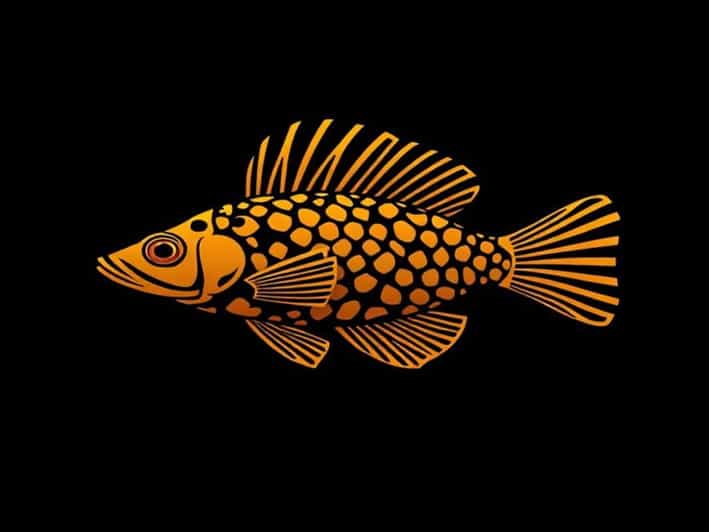
The Queen Arabesque Pleco, scientifically known as Hypancistrus sp. L260, is one of the most beautiful and sought-after species in the aquarium hobby. Known for its stunning white and black maze-like patterns, this pleco is a favorite among aquarists who appreciate both beauty and challenge. While keeping the Queen Arabesque Pleco is relatively easy, breeding them requires patience, attention to detail, and a deep understanding of their natural behavior. Learning how to breed this species successfully can be both rewarding and fascinating, especially for those interested in exotic freshwater fish.
Introduction to the Queen Arabesque Pleco
The Queen Arabesque Pleco originates from the Rio Tapajós basin in Brazil, where it lives among rocky riverbeds with moderate to strong water flow. This environment provides plenty of hiding places and oxygen-rich water, which are essential to its survival. The fish belongs to the Loricariidae family, a group commonly referred to as plecos or armored catfish because of their protective bony plates.
Typically, the Queen Arabesque Pleco grows up to 3.5 to 4 inches in length, making it one of the smaller and more manageable species for aquariums. It is a peaceful, nocturnal fish that prefers to stay hidden during the day and explore its environment at night. Because of its size and calm nature, it can coexist well with other non-aggressive fish species.
Tank Requirements for Breeding
Breeding the Queen Arabesque Pleco requires replicating the conditions of its natural habitat as closely as possible. Proper tank setup plays a major role in encouraging mating behavior and ensuring the survival of fry.
1. Tank Size and Layout
For a breeding pair, a tank of at least 20 to 30 gallons is recommended. However, if you plan to maintain multiple plecos or a breeding colony, a larger tank around 40 to 55 gallons is ideal. The aquarium should include several hiding spots made from driftwood, rock caves, or specially designed pleco breeding tubes. Males often choose one cave to claim as their territory and use it for breeding.
It’s important to provide multiple hiding spots to prevent aggression between males and to make females feel secure. The tank layout should mimic a rocky riverbed, with smooth pebbles and sand or fine gravel as the substrate.
2. Water Parameters
The Queen Arabesque Pleco thrives in soft, slightly acidic water, similar to the conditions in its native Amazonian rivers. Maintaining stable water parameters is essential for both general health and breeding success.
- Temperature 26°C to 30°C (78°F to 86°F)
- pH 6.0 to 7.0
- Hardness Soft to moderately hard (2 10 dGH)
- Ammonia/Nitrite 0 ppm (always keep levels at zero)
- Water flow Moderate, with good aeration and filtration
Perform regular water changes, around 20 30% weekly, to maintain pristine conditions. Many breeders report that simulating rainy season conditions slightly lowering the temperature and increasing water changes can trigger spawning behavior.
3. Lighting and Oxygenation
As nocturnal fish, Queen Arabesque Plecos prefer subdued lighting. Too much brightness can stress them out and discourage breeding. Use low-intensity lighting or provide shaded areas in the tank with floating plants. Oxygenation is also critical, so use an air stone or powerhead to ensure proper water circulation.
Feeding and Conditioning for Breeding
Before breeding, it’s essential to condition both male and female Queen Arabesque Plecos with a nutritious and varied diet. Although they are often mistaken for algae eaters, these plecos are actually omnivorous and prefer high-protein foods.
Feed them a balanced diet consisting of
- High-quality sinking pellets or wafers designed for bottom dwellers
- Frozen or live foods such as bloodworms, brine shrimp, and daphnia
- Fresh vegetables like zucchini, cucumber, and spinach (lightly blanched)
- Occasional treats of shrimp pellets or carnivore sticks
Feed small portions twice a day and remove uneaten food to avoid water pollution. Well-fed and healthy plecos are more likely to breed successfully, as the females need good nutrition to produce eggs.
Distinguishing Males and Females
Sexing Queen Arabesque Plecos can be challenging, especially when they are young. However, as they mature, certain differences become noticeable
- MalesUsually have broader heads, more defined odontodes (bristle-like spines) on the pectoral fins, and longer, more muscular bodies.
- FemalesTend to have rounder, wider bellies when viewed from above, especially when carrying eggs.
Observing these differences carefully helps in pairing compatible fish for breeding.
The Breeding Process
1. Selecting and Introducing the Breeding Pair
Choose a healthy, mature male and female typically between 12 and 18 months old. Place them in the breeding tank with plenty of hiding caves. The male will soon claim one as his own and start cleaning its interior in preparation for spawning. The female will inspect various caves before deciding where to lay her eggs.
2. Courtship Behavior
During courtship, the male becomes territorial and may gently chase the female toward his chosen cave. When the female is ready to spawn, she enters the cave and deposits eggs on the inner surface. The male immediately fertilizes them and remains in the cave to guard them. This protective behavior is typical among Hypancistrus species.
3. Egg Care and Hatching
The male plays a vital role in caring for the eggs. He fans them continuously with his fins to ensure proper oxygenation and prevent fungus growth. The eggs typically hatch within 5 to 7 days, depending on temperature and water quality. During this period, avoid disturbing the tank, as excessive movement can stress the male and cause him to abandon or eat the eggs.
Once the fry hatch, they remain in the cave for several more days, absorbing their yolk sacs before becoming free-swimming. The male continues to protect them until they are ready to leave the cave.
Raising the Fry
After becoming free-swimming, the fry can be moved to a separate rearing tank or left with the parents if the environment is safe. The fry are delicate and require clean, stable water with gentle filtration. Sponge filters are ideal because they prevent fry from being sucked in and provide additional surface for microorganisms that the fry can feed on.
Feeding the Fry
Initially, the fry will graze on biofilm, algae, and microscopic organisms in the tank. As they grow, you can start feeding them
- Crushed sinking pellets or finely powdered fry food
- Baby brine shrimp or microworms
- Spirulina powder mixed with water
Feed small amounts several times a day and maintain excellent water quality through regular small water changes.
Common Challenges in Breeding Queen Arabesque Plecos
Breeding Hypancistrus sp. L260 can be rewarding but also comes with difficulties. The most common challenges include
- Inconsistent Water QualityEven slight fluctuations can disrupt breeding behavior or harm eggs.
- Unwilling PairsSome pairs simply do not breed, requiring multiple attempts with different partners.
- Egg FungusIf the male fails to fan eggs properly, fungal growth can destroy the clutch.
- Fry MortalityPoor water conditions or inadequate feeding can lead to high fry losses.
Patience and careful monitoring are essential for overcoming these issues. Many breeders experiment with environmental triggers such as adjusting water temperature or simulating rain to encourage spawning.
Tips for Successful Breeding
- Use smooth ceramic or clay breeding caves designed specifically for plecos.
- Maintain consistent water parameters without sudden changes.
- Provide a calm environment avoid loud noise or frequent tank movement.
- Offer high-protein diets to condition both parents.
- Keep lighting dim to mimic their natural habitat.
- Record observations to learn each pair’s unique behavior patterns.
With consistent care and patience, successful breeding of Queen Arabesque Plecos becomes achievable even for intermediate aquarists.
Breeding the Queen Arabesque Pleco is a fascinating journey into the world of exotic freshwater fish. Their intricate patterns, gentle nature, and captivating behavior make them a prized addition to any aquarium. Although breeding requires precision, patience, and dedication, the reward of watching these stunning fish reproduce and raise their fry is unparalleled. By providing the right environment, proper nutrition, and consistent care, aquarists can not only enjoy the beauty of the Queen Arabesque Pleco but also contribute to preserving this remarkable species in the aquarium hobby.