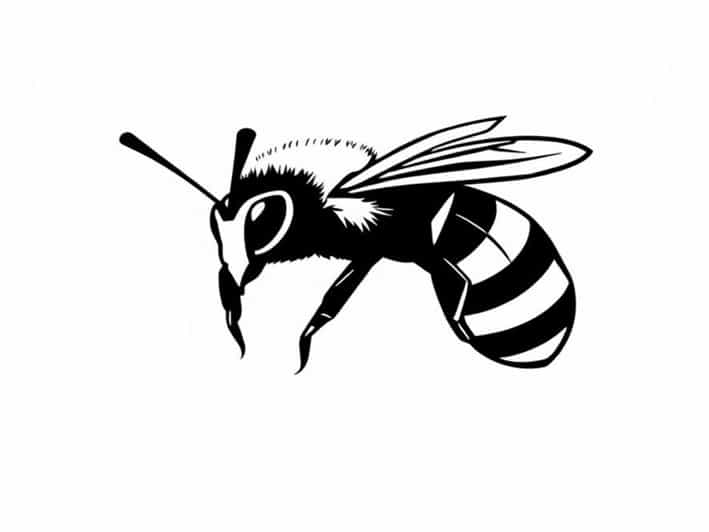
The queen bald-faced hornet is one of nature’s most fascinating and formidable insects. Known for its striking black-and-white appearance and impressive nest-building abilities, this hornet plays a key role in maintaining ecological balance. The queen is the central figure of the colony, responsible for reproduction, leadership, and survival of the species. While many people fear bald-faced hornets because of their aggressive reputation, understanding the queen’s behavior and life cycle helps reveal just how organized and purposeful these insects truly are. In this topic, we will explore everything about the queen bald-faced hornet from her biology and nesting habits to her role in the colony and how she compares to other wasp species.
What Is a Queen Bald-Faced Hornet?
The bald-faced hornet, scientifically known asDolichovespula maculata, is actually not a true hornet but a large type of yellowjacket wasp. It gets its name from the distinctive white markings on its face and body, giving it a bald appearance compared to other wasps. Among all members of the colony, the queen is the largest and most dominant. She is responsible for laying eggs and starting new colonies every spring after surviving the winter in hibernation.
The queen bald-faced hornet can measure up to three-quarters of an inch long, noticeably larger than her worker offspring. Her primary role is to establish and grow the colony, while the workers take over foraging, nest defense, and maintenance once they mature. Understanding her life cycle is essential to comprehending how bald-faced hornet colonies function.
Life Cycle of the Queen Bald-Faced Hornet
The life of a queen bald-faced hornet follows a fascinating annual pattern driven by temperature, resources, and environmental cues. Each season plays a critical role in her survival and the continuity of her species.
Spring The Founding Stage
As winter fades, the overwintered queen emerges from her hiding place, often beneath tree bark or in leaf litter. She is the only surviving member of the previous colony. Her first task is to find a suitable nesting site typically high in trees, shrubs, or occasionally on building eaves. Using chewed wood fibers mixed with her saliva, she constructs a small paper-like nest and lays her first eggs.
These initial eggs hatch into sterile female workers. Until they mature, the queen handles all tasks herself, from foraging for food to feeding larvae. Once the workers emerge, they take over daily duties, freeing the queen to focus exclusively on egg-laying.
Summer Colony Expansion
During summer, the colony grows rapidly under the queen’s direction. A mature bald-faced hornet nest can house 100 to 400 individuals. The queen continuously lays eggs while workers expand the nest, gather food, and protect the structure. The nest develops a layered, football-shaped appearance, often with a smooth outer shell of papery material.
By mid-summer, the colony is at its most active and defensive. The queen remains deep inside the nest, shielded by hundreds of loyal workers. She is rarely seen during this time, as her safety is crucial to the colony’s survival.
Autumn The Decline
As temperatures begin to drop in late summer and early fall, the queen bald-faced hornet’s role shifts once again. She starts laying reproductive eggs that will develop into new queens and males (drones). These new queens will eventually leave the nest to mate before winter arrives.
After mating, the new queens find sheltered places to overwinter, while the rest of the colony including the old queen, workers, and drones dies off with the onset of cold weather. The cycle begins anew the following spring when these mated queens establish new nests of their own.
Physical Features of the Queen Bald-Faced Hornet
One of the easiest ways to identify the queen bald-faced hornet is by her size and markings. She is larger and bulkier than worker hornets, with a more elongated abdomen. Her black body features striking white patches on the face, thorax, and tip of the abdomen. Unlike bees, which are fuzzy, bald-faced hornets have smooth, shiny bodies designed for agility and defense.
The queen’s stinger is also longer and more potent than those of her workers. It can deliver multiple painful stings without detaching, unlike a honeybee’s barbed stinger. This defensive feature allows her to protect herself and the nest if necessary, though she typically stays inside rather than engaging in direct combat.
Nesting Habits and Structure
The nest of a bald-faced hornet is one of the most intricate constructions in the insect world. Built from chewed wood pulp, the nest resembles paper and can reach the size of a basketball. It usually hangs from tree branches or structures, well above ground level for protection against predators.
- Outer ShellThe protective layer shields the interior from rain and wind.
- Inner CombComposed of multiple tiers of hexagonal cells where eggs are laid and larvae develop.
- Entrance HoleLocated at the bottom, allowing hornets to enter and exit while defending against intruders.
The queen begins building the nest herself but stops once the first workers hatch. From that point onward, the workers handle construction, allowing the queen to focus solely on reproduction.
Diet and Feeding Behavior
While the queen bald-faced hornet does not forage once her colony is established, the food her workers collect sustains her and the larvae. The colony’s diet consists mainly of insects, spiders, and sugary substances. Workers chew prey into a paste to feed larvae, while adult hornets primarily consume nectar and fruit juices.
Interestingly, bald-faced hornets play an important ecological role by controlling pest populations. They prey on flies, caterpillars, and other insects, keeping their numbers in check. This predatory behavior benefits gardens and natural ecosystems alike.
Behavior and Temperament
Bald-faced hornets are known for their territorial and defensive nature, especially when the nest is disturbed. The queen, however, rarely displays aggression herself since she stays hidden within the nest’s interior. The worker hornets are the colony’s defenders, capable of swarming and stinging perceived threats multiple times.
The colony’s aggressiveness peaks in late summer when it reaches maximum population size. At this stage, any approach within several feet of the nest can provoke an attack. It’s important to exercise caution and avoid disturbing these nests, particularly near homes or walking paths.
Queen Bald-Faced Hornet vs. Other Wasps
Although similar to yellowjackets and paper wasps, the queen bald-faced hornet differs in several key ways. Her colony tends to be larger and more organized, and her nest is completely enclosed rather than open. Additionally, bald-faced hornets tend to build higher off the ground, reducing the risk of human encounters compared to ground-nesting yellowjackets.
Compared to true hornets, such as the European hornet, the bald-faced hornet is smaller but more aggressive in defending its nest. Despite their reputation, they are less likely to attack unprovoked unless their territory is threatened.
The Role of the Queen in the Ecosystem
The queen bald-faced hornet is a keystone figure in her colony and indirectly in the broader ecosystem. By founding new colonies each year, she ensures the continuation of a species that helps control insect populations. Without these predators, pest insects could multiply rapidly, damaging crops and upsetting ecological balance.
Moreover, by feeding on nectar and visiting flowers, hornets though not as efficient as bees contribute modestly to pollination. Thus, even this feared insect plays an important role in nature’s web of life.
Dealing with Bald-Faced Hornet Nests
When a nest is found near a home or high-traffic area, it can become a safety concern. However, removing or destroying a bald-faced hornet nest should never be attempted without caution. Professional pest control services are best equipped to handle the removal safely. The queen is usually deep within the nest and will not emerge even when threatened, but disturbing the nest can provoke dozens of defensive workers.
If the nest is located far from human activity, it is best to leave it undisturbed. By autumn, the colony will naturally die off, and the nest will not be reused the following year.
The queen bald-faced hornet is more than just the matriarch of an aggressive insect colony she is a symbol of survival, structure, and natural order. Her life cycle, from solitary beginnings to the creation of a thriving colony, demonstrates the complexity of insect societies. Despite their fierce reputation, bald-faced hornets play a valuable role in pest control and environmental balance. Understanding the behavior, appearance, and purpose of the queen bald-faced hornet helps replace fear with respect for this powerful and essential insect species. Observing them safely from a distance allows us to appreciate the incredible organization of nature’s smallest builders.