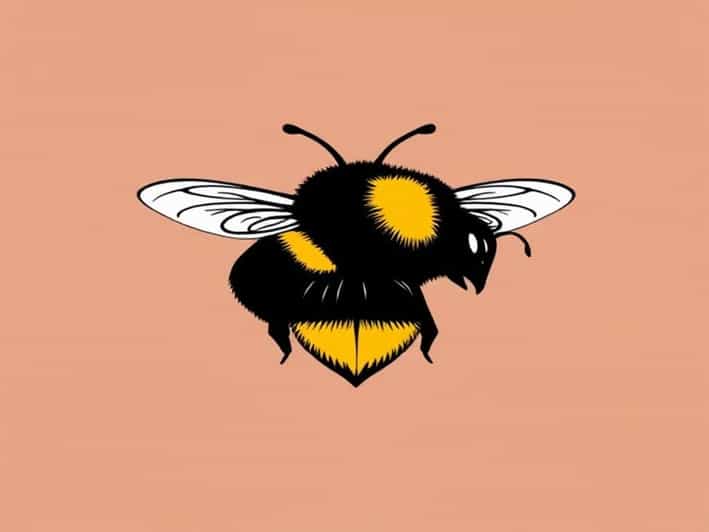
The queen buff-tailed bumblebee, known scientifically asBombus terrestris, is one of the most common and important pollinators in Europe. Recognized by its distinctive golden-yellow stripes and creamy buff-colored tail, this remarkable insect plays a crucial role in sustaining ecosystems and agriculture. As the leader and founder of a bumblebee colony, the queen buff-tailed bumblebee is vital for the survival and growth of future generations. Understanding her behavior, life cycle, and ecological importance provides valuable insight into the fascinating world of pollinators and their connection to the natural environment.
Physical Characteristics of the Queen Buff-Tailed Bumblebee
The queen buff-tailed bumblebee is the largest member of her species, typically measuring around 2 to 2.5 centimeters in length. Her body is covered in dense hairs that give her a fuzzy appearance, which helps trap pollen as she visits flowers. The coloration pattern consists of black bands across her thorax and abdomen, bright yellow stripes, and the characteristic buff-colored tail from which the species gets its name.
Compared to worker and male bumblebees, the queen is noticeably larger and more robust. Her strong wings and muscular thorax allow her to travel long distances during early spring when she searches for suitable nesting sites. This endurance is crucial, as she must survive harsh weather conditions and sustain herself until she can establish a new colony.
Key Physical Features
- Length 20 25 millimeters (larger than workers and males)
- Color Black body with yellow bands and a buff-colored tail
- Dense fur to help with insulation and pollen collection
- Strong wings for long-distance flight during nest searching
The Life Cycle of the Queen Buff-Tailed Bumblebee
The queen buff-tailed bumblebee follows a fascinating annual life cycle that begins in early spring and ends in late autumn. Her life is cyclical and synchronized with the changing seasons, ensuring that new colonies emerge year after year.
Emergence from Hibernation
After spending several months in hibernation underground, the queen buff-tailed bumblebee emerges in early spring when temperatures rise. She is one of the first insects to appear after winter, often seen flying low over the ground as she searches for flowers and potential nesting sites. During this time, her main priority is to feed on nectar to replenish her energy reserves.
She typically feeds on early-blooming flowers such as crocuses, dandelions, and willow catkins. These early food sources are vital, as they provide the nutrients she needs to regain strength after hibernation.
Establishing a Nest
Once the queen has regained enough energy, she begins searching for a suitable nesting location. Common nest sites include abandoned rodent burrows, compost heaps, and grassy banks. She prefers dry, sheltered areas that provide insulation and protection for her developing colony.
After selecting a location, the queen collects pollen and nectar to form a small wax pot inside the nest. She lays her first batch of eggs and incubates them by using the heat generated from her own body. This initial brood of eggs will hatch into worker bees that will soon take over the duties of foraging and caring for the colony.
Colony Growth
As the season progresses, the queen’s role shifts from worker to ruler. Once the first generation of worker bees matures, they begin collecting nectar and pollen, allowing the queen to focus solely on laying eggs. The colony can grow rapidly during spring and summer, reaching populations of several hundred individuals.
Each worker bee contributes to the survival of the colony by maintaining the nest, feeding larvae, and defending against intruders. The queen continues laying eggs throughout the summer, ensuring a steady supply of workers and, later, reproductive males and new queens.
End of the Season
Toward the end of summer, the queen begins laying unfertilized eggs that develop into male drones and fertilized eggs that become new queens. These reproductive bees leave the nest to mate. After mating, the newly fertilized queens find a place to hibernate and start the cycle anew the following spring. The old queen, along with the rest of the colony, dies as temperatures drop in autumn.
Feeding and Foraging Habits
The queen buff-tailed bumblebee feeds primarily on nectar, which provides her with energy, and pollen, which offers essential proteins for egg production and larval development. She is a generalist feeder, meaning she visits a wide variety of flowering plants. This feeding behavior makes her an excellent pollinator for both wild plants and agricultural crops.
Common Flowers Visited by Queen Buff-Tailed Bumblebees
- Clover and alfalfa
- Lavender and thyme
- Foxglove and honeysuckle
- Bluebells and dandelions
- Fruit blossoms such as apple and cherry trees
Her long tongue allows her to access nectar from deep flowers, while her fuzzy body collects pollen that she transfers between blooms. This pollination process is essential for maintaining biodiversity and supporting the growth of fruits and vegetables.
Ecological Importance of the Queen Buff-Tailed Bumblebee
Buff-tailed bumblebees, including the queen, play an irreplaceable role in pollination. They are responsible for fertilizing a wide variety of plants, from wildflowers to agricultural crops. Their ability to pollinate in cooler and cloudier conditions makes them particularly valuable in temperate regions where other insects may be less active.
In agriculture, buff-tailed bumblebees are used for commercial pollination, especially in greenhouses where they pollinate crops like tomatoes, peppers, and strawberries. Their efficiency and adaptability have made them one of the most widely used pollinator species in Europe and beyond.
Environmental Role
- Promotes biodiversity by pollinating native wildflowers
- Supports agricultural productivity through crop pollination
- Enhances ecosystem stability and plant reproduction
- Acts as an indicator species for environmental health
The presence of buff-tailed bumblebees in an area often indicates a healthy ecosystem, as they rely on a diverse range of flowering plants for sustenance.
Threats and Conservation
Despite their ecological importance, queen buff-tailed bumblebees face several threats that have led to declining populations in some regions. Habitat loss due to urbanization and intensive farming reduces the availability of nesting sites and wildflowers. Pesticides, particularly neonicotinoids, can also harm bumblebees by affecting their nervous systems and foraging ability.
Climate change presents another challenge, as shifting weather patterns can disrupt flowering cycles and the timing of the queen’s emergence from hibernation. When flowers bloom too early or too late, food scarcity may threaten the survival of newly emerged queens.
Conservation Efforts
- Creating wildflower meadows to provide food sources
- Reducing pesticide use in gardens and farms
- Encouraging nesting habitats such as undisturbed grassy areas
- Raising awareness about pollinator-friendly gardening
By supporting pollinator-friendly initiatives and planting native flowers, individuals can contribute to the conservation of buff-tailed bumblebees and other essential pollinators.
Interesting Facts About the Queen Buff-Tailed Bumblebee
- The queen can fly several kilometers in search of a nesting site after hibernation.
- She produces a wax secretion to construct honey pots and brood cells inside the nest.
- Buff-tailed bumblebees can vibrate their bodies to release pollen from certain flowers a behavior known as buzz pollination.
- Only the new queens survive winter; the rest of the colony dies off each year.
- The species is one of the few bumblebees successfully introduced for commercial pollination worldwide.
The queen buff-tailed bumblebee is not just the leader of her colony but a vital contributor to the balance of nature. Her journey from hibernation to establishing a thriving nest illustrates the intricate relationship between pollinators and their environment. As one of the most efficient and resilient bee species,Bombus terrestris continues to play a central role in agriculture and biodiversity. Protecting these queens and their colonies ensures the continuation of natural pollination processes that sustain both ecosystems and human life. By valuing and supporting these remarkable insects, we help secure a healthier, more balanced planet for generations to come.