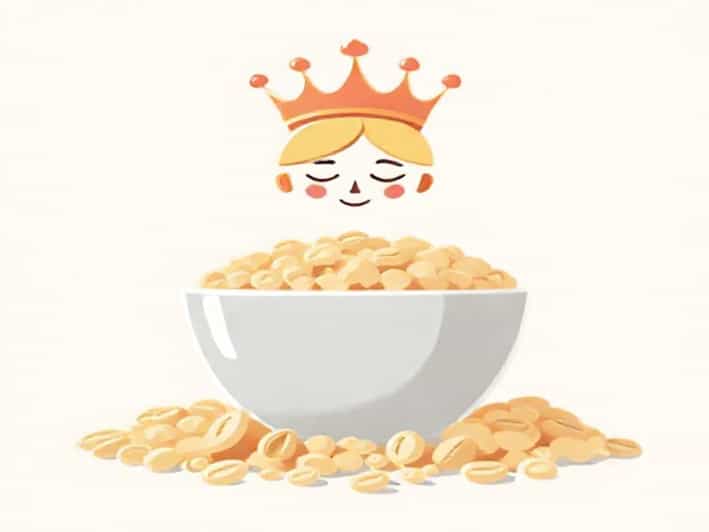
The title Queen of Coarse Cereals has been used historically to celebrate certain grains that are considered staples in traditional diets around the world. Coarse cereals, also known as coarse grains or millet-like crops, have been essential in human nutrition for thousands of years, providing both sustenance and cultural significance. Among these grains, one often emerges as particularly noteworthy for its versatility, nutritional value, and adaptability in various climates, earning the moniker Queen of Coarse Cereals. Understanding why this grain holds such a distinguished title requires exploring its history, health benefits, cultivation practices, and culinary uses.
Introduction to Coarse Cereals
Coarse cereals are grains that are generally larger, harder, and less refined than common staples such as wheat, rice, and corn. They include varieties like millet, sorghum, barley, and oats. These grains are often rich in fiber, minerals, and proteins, making them a crucial part of traditional diets, especially in regions where other staple crops may not grow as effectively. Known for their resilience in harsh environments, coarse cereals can thrive in semi-arid regions and poor soil conditions, which has historically ensured food security in challenging climates.
Characteristics of Coarse Cereals
Coarse cereals have unique properties that differentiate them from more commonly consumed refined grains
- High fiber content, which aids digestion and promotes satiety.
- Rich in essential minerals such as iron, magnesium, and phosphorus.
- Adaptability to different climates and resistance to drought.
- Versatility in culinary applications, ranging from porridges to breads and snacks.
These qualities make coarse cereals an important crop both historically and in contemporary nutrition, and the Queen among them typically refers to the grain that excels in nutritional density, ease of cultivation, and cultural significance.
The Queen of Coarse Cereals Millet
Among coarse cereals, millet is often referred to as the Queen due to its extraordinary nutritional profile, ease of growth, and historical importance in global diets. Millet has been cultivated for over 7,000 years and remains a staple in regions of Africa, Asia, and parts of Europe. Its resilience, quick growth cycle, and ability to produce high yields even under adverse conditions have earned it a revered status among farmers and nutritionists alike.
Nutritional Benefits of Millet
Millet is packed with essential nutrients that support overall health. It is gluten-free, making it an excellent choice for individuals with celiac disease or gluten intolerance. Key nutritional advantages include
- High fiber content for digestive health and regulation of blood sugar levels.
- Rich source of magnesium, which supports heart health and reduces the risk of hypertension.
- Protein content suitable for vegetarian and vegan diets.
- Antioxidants and phytonutrients that support immune function and reduce inflammation.
Because of these benefits, millet has been gaining popularity in modern diets that emphasize whole grains and nutritional density, reinforcing its title as the Queen of Coarse Cereals.
Cultivation and Global Significance
Millet cultivation is both environmentally sustainable and economically significant. It requires minimal water compared to rice or wheat, grows in poor soil conditions, and is resistant to pests and diseases. These factors make it a reliable crop in regions prone to climate variability and food insecurity. Countries like India, Nigeria, and China have long histories of millet cultivation, integrating it into both subsistence farming and commercial agriculture.
Types of Millet
Several varieties of millet contribute to its versatility and importance
- Finger MilletRich in calcium and ideal for porridge and baked goods.
- Foxtail MilletPopular in Asia for its quick-cooking properties and high protein content.
- Pearl MilletWidely cultivated in Africa and India, drought-resistant and nutrient-dense.
- Barnyard MilletKnown for its fast growth and suitability for gluten-free diets.
The diversity of millet types allows it to be used in a wide range of culinary and agricultural contexts, from traditional meals to modern health-conscious recipes.
Culinary Uses and Cultural Significance
Millet’s culinary versatility is a key reason it has been dubbed the Queen of Coarse Cereals. In Africa, millet is used to make traditional flatbreads, porridge, and fermented beverages. In India, it forms the basis of roti, dosas, and various sweets, and it is increasingly featured in health-oriented recipes like salads, soups, and breakfast cereals. The grain can be boiled, steamed, roasted, or ground into flour, making it adaptable to almost any type of dish.
Health-Focused Recipes
Modern diets have embraced millet for its health benefits and ease of integration into various meal plans. Examples of contemporary culinary uses include
- Millet porridge with nuts and fruits for a high-fiber breakfast.
- Millet bread and muffins as gluten-free alternatives to wheat products.
- Millet salads with vegetables and legumes for a protein-rich, nutrient-dense lunch.
- Millet-based energy bars and snacks for on-the-go nutrition.
These diverse applications demonstrate millet’s ability to satisfy both traditional culinary preferences and modern health trends, reinforcing its royal status among coarse cereals.
Environmental and Economic Importance
Millet cultivation contributes significantly to sustainable agriculture. Its low water requirements, resistance to climate stress, and minimal need for chemical inputs make it an environmentally friendly crop. Economically, millet supports smallholder farmers in developing countries, providing a reliable source of income and food security. Its resilience ensures that even during periods of drought or poor soil conditions, communities can maintain a stable supply of nutritious food.
Global Promotion of Millet
International organizations and nutritionists are increasingly promoting millet as a super grain due to its combined health, environmental, and economic benefits. Initiatives to incorporate millet into school meals, public health programs, and global food policies reflect a renewed interest in coarse cereals as essential components of sustainable diets.
- Encouragement of millet cultivation to combat climate change and food scarcity.
- Integration into health-focused food products and dietary recommendations.
- Promotion in public awareness campaigns to revive traditional grains and prevent malnutrition.
Millet, widely regarded as the Queen of Coarse Cereals, embodies a remarkable combination of nutritional value, culinary versatility, environmental resilience, and cultural importance. Its long history of cultivation and widespread use across diverse regions underscores its role as a staple grain capable of sustaining populations and contributing to food security. From traditional recipes to modern health-conscious diets, millet continues to thrive as a vital coarse cereal, earning its regal title not just for its utility but for its enduring impact on human nutrition and agriculture. As the world seeks sustainable and nutritious food options, millet stands out as a timeless and essential grain, maintaining its rightful place at the top of coarse cereals.