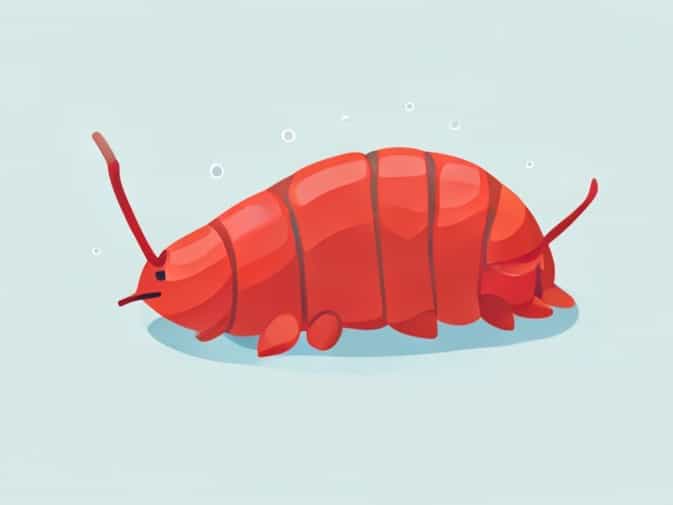
Roly-polies, also known as pill bugs or woodlice, are fascinating little creatures that often capture the curiosity of children and adults alike. These tiny, armored bugs are known for their ability to roll up into a tight ball when threatened, a defense mechanism that gives them their nickname. But one question many people wonder about is whether roly-polies can swim. Since they are commonly found in damp soil, under logs, and around moist environments, it’s natural to ask how they behave in water and if they are capable of surviving when submerged. The answer involves understanding their biology, habitat preferences, and relationship with moisture.
What Are Roly-Polies?
Before discussing whether roly-polies can swim, it helps to understand what they actually are. Roly-polies are crustaceans, not insects, even though they live on land. Their scientific name is Armadillidium vulgare, and they belong to the same group as shrimp, crabs, and lobsters. However, unlike their aquatic relatives, roly-polies have adapted to live primarily on land, though they still require a moist environment to survive. Their bodies are covered by a segmented exoskeleton made of chitin, giving them their signature armored appearance.
These creatures breathe through gill-like structures located on the underside of their bodies. Because they rely on gills, they must live in environments with high humidity to prevent drying out. This unique adaptation is key to understanding their interaction with water and whether they can actually swim.
Can Roly-Polies Swim?
The short answer is no roly-polies cannot swim. Although they need moisture to survive, they are not equipped for life in water. When submerged, they do not have the ability to propel themselves effectively or stay buoyant. Instead of swimming, they often sink to the bottom and struggle to move. If they remain underwater for too long, they can drown because their gills are not designed for full immersion. These gills can only absorb oxygen from moist air, not from liquid water directly.
That said, roly-polies may sometimes survive brief exposure to water. If they accidentally fall into a puddle or get splashed, they might manage to crawl out, especially if the water is shallow. Their hard shell offers some protection, and as long as they can reach a dry surface quickly, they usually recover. However, prolonged exposure to water is fatal because it interferes with their ability to breathe and regulate moisture properly.
Why Moisture Is So Important
Roly-polies have a delicate balance when it comes to moisture. They require dampness to keep their gills functional, but they cannot handle being completely submerged. In their natural habitats such as under rocks, fallen leaves, or mulch they find environments that maintain humidity without flooding. These areas allow them to breathe comfortably while staying safe from dehydration.
Their reliance on moisture also explains their nocturnal habits. During the night, humidity levels rise, reducing the risk of drying out. They come out to feed on decaying organic matter like dead plants, roots, and wood, which also helps them maintain the moist conditions they need. If the environment becomes too dry, they retreat underground or under protective surfaces until it becomes humid again.
What Happens When Roly-Polies Fall into Water?
If a roly-poly accidentally falls into water, what happens next depends on the depth and duration of submersion. In shallow water, they can often crawl their way to safety using their tiny legs. However, in deeper water or a container where escape is difficult, they will quickly tire and drown. Their bodies are not designed for swimming unlike aquatic crustaceans, they lack fins or paddles and cannot move efficiently in water.
When in distress, roly-polies may roll up into a ball, the same defense they use against predators. Unfortunately, this reaction doesn’t help in water it may actually make them sink faster. While rolling up helps them conserve moisture on land, it doesn’t provide any buoyancy underwater. Once submerged for several minutes, they stop moving, and if not rescued, they usually die from lack of oxygen.
Comparing Roly-Polies to Aquatic Relatives
It’s interesting to compare roly-polies with their aquatic cousins, such as shrimp and crabs. These animals share a similar basic body structure, but their respiratory systems are adapted to life in water. Crabs and shrimp have true gills that extract oxygen directly from water, while roly-polies’ modified gills can only function in humid air. This difference illustrates how roly-polies evolved from aquatic ancestors but adapted to terrestrial life over millions of years.
In essence, roly-polies are semi-terrestrial crustaceans they still depend on water in the air but not in liquid form. This evolutionary adaptation allows them to thrive in moist soil while remaining incapable of swimming like their marine relatives.
Where Roly-Polies Thrive Best
Since they cannot swim, roly-polies prefer habitats that offer dampness without flooding. You can find them in garden soil, compost piles, beneath flowerpots, and around decaying logs. These locations provide the perfect combination of shelter, food, and humidity. If their environment becomes too wet such as after heavy rain they may move to slightly higher ground or seek cover under stones to avoid drowning.
Gardeners often encounter roly-polies while tending to plants, especially when turning soil or moving mulch. While they are harmless to humans, they can sometimes nibble on tender seedlings or roots if organic matter is scarce. However, they play a valuable ecological role by breaking down dead plant material and recycling nutrients back into the soil.
Key Features of Their Ideal Environment
- Shaded areas with consistent moisture levels
- Decaying organic matter for food
- Soil that drains well but does not dry out completely
- Protection from direct sunlight and heavy rain
These conditions allow roly-polies to survive and reproduce without the dangers associated with water immersion. Their inability to swim is not a disadvantage in their ecological niche, as they rarely encounter situations that require it.
How Roly-Polies Protect Themselves from Water
Roly-polies have developed several behaviors to avoid drowning. They tend to stay under cover during rainfall and move slowly through moist soil where they can easily retreat to dry spots. Their hard exoskeleton also repels small amounts of water, preventing excessive absorption. However, this shell is not waterproof it mainly helps them retain internal moisture rather than act as a floatation device.
When heavy rain or flooding occurs, roly-polies often climb to higher ground, hiding under tree bark, rocks, or even the sides of buildings. These survival instincts help them avoid being washed away or trapped in standing water. Because of these behaviors, roly-polies are rarely seen floating or swimming, even after storms.
Do Roly-Polies Drink Water?
Although they can’t swim, roly-polies still need water to survive. Interestingly, they do not drink in the same way as mammals or insects. Instead, they absorb moisture through their gills and the surfaces of their bodies. They can also take in water from damp soil and decaying plants. This absorption process keeps their respiratory system functional and helps prevent dehydration.
If kept as pets or studied in a terrarium, roly-polies need a moist environment but not standing water. A light misting of the soil every few days provides enough humidity for them to thrive without risking drowning. Too much water can suffocate them, while too little will cause them to dry out and die.
Interesting Facts About Roly-Polies
- Roly-polies are the only crustaceans that have fully adapted to land life.
- They roll into a ball as a defense against predators like spiders and ants.
- They feed mainly on decomposing plants, helping maintain soil health.
- They breathe through gills that require moist air to function properly.
- They can survive for a short time in water but will drown if submerged too long.
So, can roly-polies swim? The answer is no they cannot swim and will likely drown if left underwater for too long. Although they are related to aquatic crustaceans, roly-polies have evolved to live on land, depending on moisture in the air rather than in water itself. Their survival depends on finding the right balance between dampness and dryness. These small creatures may not be swimmers, but their remarkable adaptations have allowed them to thrive in moist terrestrial environments for millions of years. Observing their behavior reminds us how even the smallest animals have evolved in fascinating ways to survive in their unique habitats.