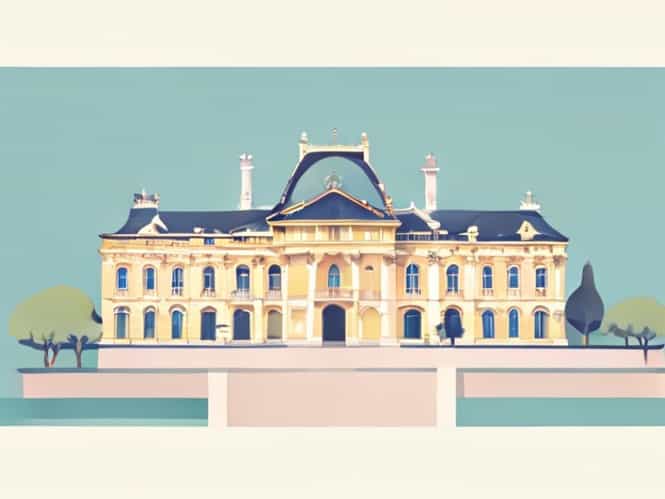
The Palace of Versailles stands as one of the most remarkable symbols of absolutism in European history. Built during the reign of Louis XIV, Versailles was not just a royal residence; it was a statement of political power, social hierarchy, and the absolute authority of the monarch. Through its architecture, elaborate gardens, and strict social protocols, Versailles reflected the principles of absolutism, where the king held complete control over the state and centralized power in his hands. Studying Versailles provides a window into how rulers used art, architecture, and ceremonial life to demonstrate and reinforce their dominance over both the nobility and the broader population.
The Concept of Absolutism
Absolutism is a political system in which a ruler holds all the power, often justified by divine right, meaning that the monarch’s authority comes directly from God. In this system, the king or queen has control over laws, taxation, and the military, with little to no checks on their power from representative bodies. Absolutist rulers often used symbolism, grand architecture, and elaborate ceremonies to legitimize their authority and project an image of unchallenged power. Versailles exemplifies these characteristics and serves as a tangible demonstration of how absolutism operated in practice.
Versailles as a Symbol of Power
The design and scale of Versailles were deliberate choices to showcase the absolute power of Louis XIV. The palace was immense, with hundreds of rooms, elaborate halls, and opulent decorations that conveyed wealth and authority. The Hall of Mirrors, for example, reflected both light and the king’s dominance, impressing visitors with grandeur and splendor. The sheer size of the palace sent a message to both domestic and foreign observers that the king’s authority was unmatched. Versailles was not only a home but also a political tool to intimidate rivals and consolidate control.
Centralization of Nobility
One of the key ways Versailles illustrates absolutism is through the control of the French nobility. By requiring nobles to live at Versailles for part of the year, Louis XIV ensured that they were under his direct supervision. This practice reduced their power in their own provinces and made them dependent on the king’s favor for privileges and positions. Versailles became a center of social and political life, where nobles competed for attention and favor, reinforcing the hierarchical nature of the monarchy. This strategy exemplifies how absolutist rulers centralized authority by limiting the independence of powerful subjects.
Ceremonial Life and Control
Ceremonies and rituals at Versailles reinforced the king’s authority in subtle but effective ways. Daily routines, such as the king’s waking and dressing ceremonies, involved the presence of courtiers who observed and participated in carefully orchestrated rituals. By controlling access to these intimate moments, Louis XIV reinforced his status as the center of the French state and reminded nobles of their subordinate positions. The elaborate etiquette of Versailles created a culture where power was visible, performative, and concentrated in the hands of the monarch.
Art and Architecture as Propaganda
The art and architecture of Versailles were tools for political messaging, demonstrating the absolute power of the king. Paintings, sculptures, and decorative motifs glorified Louis XIV and his reign, often depicting him as a heroic or divine figure. The use of classical elements, symmetry, and grandiose scale in the palace’s design conveyed order and control, mirroring the centralized authority of the monarchy. Gardens, fountains, and meticulously planned landscapes symbolized control over nature and, metaphorically, over the kingdom itself. These artistic choices reinforced the ideology of absolutism, turning Versailles into a living propaganda machine.
Economic Power and Patronage
Building and maintaining Versailles required vast economic resources, highlighting the king’s control over wealth and resources. The palace was funded through taxation and royal revenues, demonstrating that the monarch had the means to direct the country’s economy to support his personal vision. Additionally, Versailles served as a hub of patronage, with artists, architects, and craftsmen relying on royal commissions for their livelihoods. This system tied culture and economy directly to the king’s power, further illustrating how absolutism extended beyond politics into all aspects of society.
Versailles and Foreign Diplomacy
Versailles also functioned as a stage for international diplomacy, another aspect of absolutist strategy. Ambassadors and foreign dignitaries were impressed, and sometimes intimidated, by the palace’s grandeur and the meticulously orchestrated court life. By controlling how France was perceived externally, Louis XIV reinforced his image as a powerful and sovereign ruler. The palace’s splendor and protocol projected strength, reinforcing the idea that the king’s authority was absolute not only domestically but also on the European stage.
Legacy of Versailles and Absolutism
Versailles set a precedent for other European monarchs seeking to demonstrate their own power through architecture and court culture. Its legacy continues to illustrate the principles of absolutism centralized control, hierarchical society, symbolic representation of power, and the use of art and ceremony to reinforce authority. Studying Versailles provides insight into the mechanisms of absolute rule and the ways in which rulers communicated and maintained power through both visible and subtle means.
The Palace of Versailles is more than a historical monument; it is a powerful illustration of absolutism in action. From its grand architecture and elaborate gardens to its control over the nobility and ceremonial life, Versailles embodies the principles of absolute monarchy. By examining the design, function, and symbolism of the palace, it becomes clear how Louis XIV used Versailles to centralize authority, project power, and maintain social hierarchy. Versailles remains a lasting testament to the ways in which absolutist rulers exercised control, demonstrating that architecture, culture, and ritual were not merely decorative but essential tools of political power in seventeenth-century France.