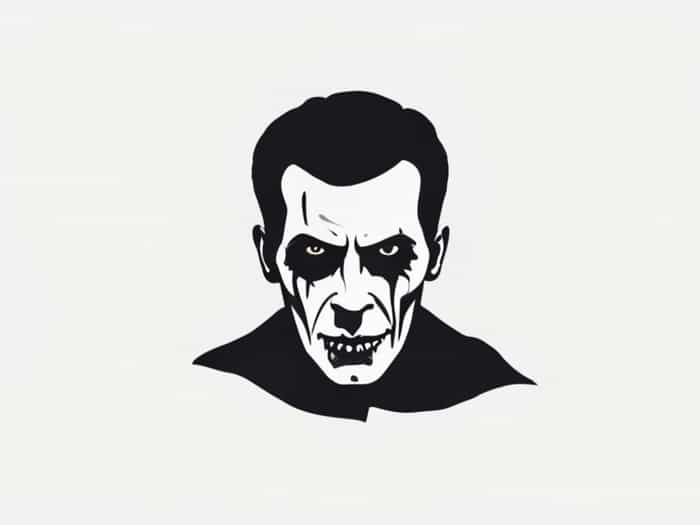
The identity of Jack the Ripper, one of history’s most infamous serial killers, remains one of the greatest mysteries in criminology. Since the Whitechapel murders of 1888, speculation about his appearance and identity has captivated historians, criminologists, and the general public alike. The elusive nature of his face has become symbolic of the unknown, as no verified photograph or sketch of the killer exists. While there are numerous theories and reconstructions based on eyewitness accounts and forensic analysis, the true visage of Jack the Ripper continues to be a topic of intrigue and debate, reflecting both the fear and fascination that surround this historical figure.
Eyewitness Descriptions and Historical Accounts
During the Whitechapel murders, several eyewitnesses claimed to have seen Jack the Ripper, although their descriptions varied significantly. The chaos and poor lighting conditions of Victorian London’s East End made accurate identification extremely difficult. Witnesses described a man who appeared to be of medium height and build, often wearing a dark coat and hat typical of the period. However, inconsistencies in these accounts have fueled debates about the accuracy of eyewitness testimony, which can be unreliable even under ideal conditions.
Common Features Described
- Medium height, approximately 5’7 to 5’9
- Slender to average build
- Clothing typical of Victorian London, often including a coat, scarf, and hat
- Dark hair, though some accounts suggest light-colored hair
- Age estimates ranging from mid-20s to mid-40s
These descriptions provided a rough idea but were too vague to conclusively identify a single individual. The lack of forensic tools at the time meant that authorities could not verify these details, leaving Jack the Ripper’s true appearance an enduring mystery.
Sketches and Artistic Reconstructions
Police sketches and later artistic reconstructions attempted to visualize Jack the Ripper based on eyewitness testimonies. These images, created in the late 19th century, often depict a generic Victorian man, reflecting the limitations of the information available. Modern forensic artists have also used psychological profiling and historical context to create digital renderings, but these remain speculative and cannot be confirmed as accurate representations of the killer’s true face.
Challenges in Creating Accurate Images
- Inconsistent eyewitness accounts make it difficult to determine distinguishing features.
- The passage of time has led to loss of historical records and further inaccuracies.
- Forensic technology at the time was primitive, preventing detailed identification methods.
- Many reconstructions are influenced by cultural and artistic interpretations rather than factual evidence.
Despite these challenges, reconstructions of Jack the Ripper’s face continue to intrigue researchers and the public, serving as a visual symbol of the mystery rather than a definitive likeness.
Modern Forensic Analysis and DNA Theories
In recent decades, advances in forensic science have prompted attempts to uncover clues about Jack the Ripper’s identity. Some researchers have analyzed preserved letters, clothing, and other artifacts allegedly linked to the crimes. DNA testing on historical evidence, such as stamps and envelopes, has been conducted, though results are often controversial due to contamination, deterioration, or questions about authenticity.
Notable DNA Investigations
- In 2002, mitochondrial DNA analysis of a shawl found near a victim suggested a possible link to a suspect, though results were disputed.
- Other studies have attempted to trace genetic markers to living descendants, with mixed results.
- Forensic genealogy has sparked new theories, but no DNA evidence has conclusively identified Jack the Ripper.
While modern forensic science provides tools for closer examination, the lack of preserved biological evidence and the historical nature of the case make it unlikely that the true face of Jack the Ripper will ever be definitively revealed.
Cultural Depictions and Public Perception
Jack the Ripper’s face has been endlessly imagined in literature, films, and television. Writers and filmmakers often portray him as a shadowy, menacing figure, wearing a dark coat and top hat, lurking in the foggy streets of Victorian London. These depictions shape public perception, creating a recognizable but fictional image of the killer that may bear little resemblance to reality. The fascination with his face represents a broader curiosity about the psychology and identity of the individual behind the crimes.
Influence on Media and Popular Culture
- Films and TV series often depict Jack the Ripper as a mysterious, almost mythical figure.
- Books explore both historical and fictionalized portrayals, influencing how the public imagines his appearance.
- Halloween costumes, artwork, and documentaries contribute to the enduring image of a dark, Victorian man.
This cultural imagination has cemented a symbolic face for Jack the Ripper, even if the historical accuracy remains unknown. The blending of fact, rumor, and artistic interpretation continues to fascinate audiences worldwide.
The Mystery of the True Face
The true face of Jack the Ripper remains elusive because no contemporary photographs or confirmed sketches exist. Eyewitness descriptions, police sketches, and forensic reconstructions provide clues, but none are definitive. This anonymity contributes to the enduring intrigue and mystique surrounding the case. Scholars, amateur detectives, and enthusiasts continue to debate theories, analyze historical records, and create reconstructions, yet the identity and visage of Jack the Ripper remain one of history’s most compelling enigmas.
Reasons for the Continued Fascination
- The lack of concrete evidence keeps speculation alive.
- The combination of historical context, gruesome crimes, and mystery captivates public interest.
- Attempts to reconstruct his face symbolize humanity’s desire to understand and solve unsolved crimes.
- The story of Jack the Ripper reflects societal fears, curiosity, and the complexities of criminal psychology.
The face of Jack the Ripper is a symbol of one of the most enduring mysteries in criminal history. Despite eyewitness accounts, police sketches, artistic reconstructions, and modern forensic investigations, no verified image or photograph exists. The challenge of reconstructing his appearance highlights both the limitations of historical evidence and the power of imagination in shaping public perception. Cultural depictions have created a recognizable, though fictionalized, image that continues to influence media and popular culture. Ultimately, the true visage of Jack the Ripper may never be known, leaving it to remain a captivating enigma that embodies fear, mystery, and the human desire to solve the unsolvable.