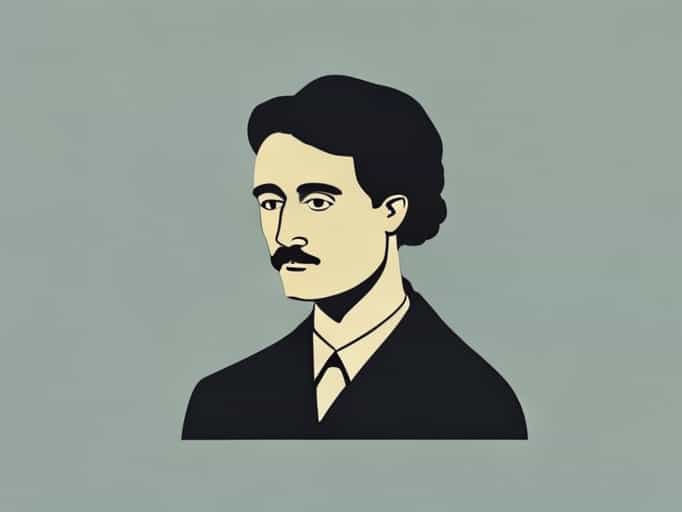
Thérèse Raquin by Ãmile Zola is a gripping and intense novel that delves into the darker aspects of human nature, exploring themes of passion, guilt, and the consequences of moral transgression. Published in 1867, the novel shocked contemporary audiences with its unflinching depiction of adultery, murder, and psychological torment. Zola, a prominent figure in the Naturalist literary movement, uses meticulous detail and a scientific approach to human behavior to construct a story that is both compelling and disturbing. The narrative follows Thérèse, a young woman trapped in a loveless marriage, and her illicit affair with Laurent, culminating in a crime that haunts them both relentlessly.
Plot Summary
Thérèse Raquin centers around the life of Thérèse, a woman who has been raised in isolation by her domineering aunt, Madame Raquin. She marries her sickly cousin Camille, a meek and passive man, more out of obligation than love. Their marriage is marked by routine and dissatisfaction, leaving Thérèse emotionally stifled and yearning for passion. The arrival of Laurent, a charming and ambitious friend of Camille, ignites a forbidden attraction between him and Thérèse. Their affair becomes increasingly intense, leading them to plot and ultimately execute Camille’s murder. However, rather than bringing freedom or happiness, the act plunges both lovers into a world of guilt, paranoia, and psychological decay.
Character Analysis
Zola’s characters in Thérèse Raquin are vivid, complex, and often morally ambiguous. Key figures include
- Thérèse RaquinInitially portrayed as a subdued and repressed woman, Thérèse’s character evolves as she succumbs to her desires. Her internal conflict and growing sense of guilt highlight the psychological realism central to Zola’s Naturalist style.
- LaurentThérèse’s lover and co-conspirator, Laurent is ambitious, impulsive, and ultimately self-serving. His transformation from a seemingly attractive and charming man to a figure consumed by paranoia illustrates the destructive power of guilt.
- Camille RaquinThérèse’s weak and sickly husband, Camille serves as both a victim and a symbol of the stifling social and familial constraints that drive Thérèse toward her illicit affair.
- Madame RaquinThe domineering aunt, she represents moral authority and societal expectations. Her eventual paralysis and helplessness following Camille’s death intensify the psychological tension and contribute to the novel’s dark atmosphere.
Themes and Motifs
Thérèse Raquin explores several themes that remain relevant to readers today. Zola examines the consequences of unchecked desire, the moral complexities of human behavior, and the inevitability of retribution. The novel also reflects on the oppressive nature of social conventions, particularly regarding marriage and female agency. The recurring motif of disease and physical decay parallels the moral corruption of the characters, reinforcing the Naturalist focus on the deterministic influence of environment and heredity on human actions.
Passion and Desire
The central driving force of the novel is the intense, uncontrollable passion between Thérèse and Laurent. Their desire transcends reason and morality, leading them to commit heinous acts in pursuit of personal gratification. Zola portrays this passion with stark realism, emphasizing both its exhilarating and destructive effects. The intensity of their emotions serves as a catalyst for the plot and underscores the tension between natural instinct and social morality.
Guilt and Psychological Torment
After the murder of Camille, Thérèse and Laurent are consumed by guilt, which manifests as paranoia, anxiety, and eventual psychological deterioration. Zola meticulously describes their torment, illustrating how crime disrupts both conscience and daily life. The novel’s focus on internal suffering, rather than legal consequences alone, highlights the Naturalist preoccupation with the psychological and physiological effects of moral transgression.
Naturalism in Thérèse Raquin
Ãmile Zola is renowned for his role in the Naturalist literary movement, which sought to apply scientific principles to the study of human behavior. Thérèse Raquin exemplifies this approach through its detailed depiction of characters’ psychological states and the deterministic influence of environment and heredity. Zola presents human actions as the product of internal drives, social constraints, and biological impulses, rather than purely moral choices. This perspective allows readers to understand, if not justify, the tragic actions of Thérèse and Laurent, emphasizing the complex interplay of nature and nurture in shaping human destiny.
Symbolism and Imagery
Zola employs powerful symbolism and imagery to reinforce the novel’s dark themes. The oppressive and dimly lit Parisian streets, the claustrophobic apartment, and the recurring motifs of sickness and decay mirror the moral and emotional corruption of the characters. Water imagery, particularly the recurring references to the Seine and rain, often underscores moments of emotional intensity or foreshadows tragic events. These elements work together to create a cohesive atmosphere of tension and inevitable doom, immersing readers in the psychological and moral landscape of the story.
Reception and Influence
Upon its publication, Thérèse Raquin provoked significant controversy due to its frank portrayal of adultery, murder, and moral ambiguity. Critics and readers were both fascinated and disturbed by the novel’s unflinching realism. Over time, it has come to be regarded as a seminal work in the Naturalist tradition and a classic of 19th-century French literature. Its influence extends beyond literature, inspiring theatrical adaptations, operas, and modern retellings that explore similar themes of passion, guilt, and human psychology.
Legacy and Modern Relevance
The enduring relevance of Thérèse Raquin lies in its exploration of universal human experiences. Themes of desire, ambition, guilt, and the consequences of moral transgression continue to resonate with contemporary audiences. The novel’s realistic portrayal of psychological torment and interpersonal dynamics provides valuable insights into human behavior, making it a rich text for literary analysis, ethical discussions, and psychological study. Additionally, its influence can be seen in modern crime fiction, psychological thrillers, and dramatic storytelling that explores the complexities of human passion and morality.
Ãmile Zola’s Thérèse Raquin remains a powerful and compelling work that combines psychological depth, moral exploration, and naturalistic storytelling. By examining the consequences of passion, guilt, and social constraint, the novel offers a profound commentary on human nature and the forces that shape individual destiny. Its rich character development, vivid imagery, and unflinching realism continue to captivate readers, making it an essential work in the study of French literature and Naturalist fiction. Thérèse Raquin not only entertains with its suspenseful narrative but also challenges readers to reflect on the darker aspects of human desire and the inevitability of moral consequence.