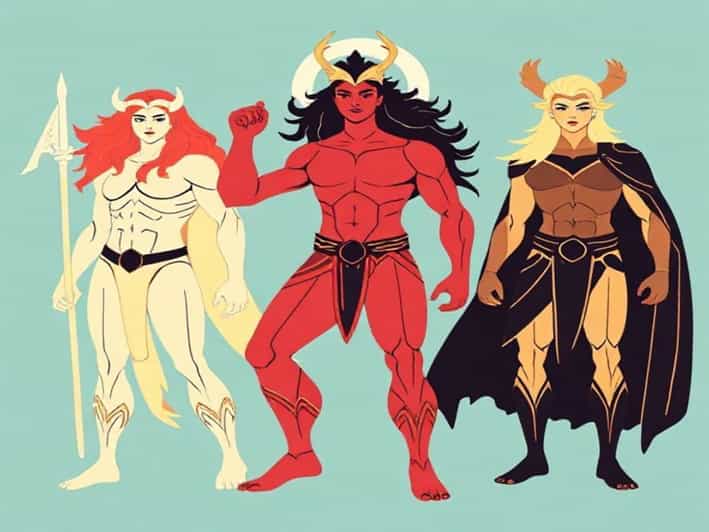
Throughout history, myths and legends have been filled with extraordinary heroes whose stories inspire courage, resilience, and imagination. While many of these tales have traditionally centered on heterosexual or cisgender characters, there is a growing recognition of queer heroes in myth and legend. These figures, whether gods, demigods, or mortals, challenge conventional norms and demonstrate that heroism transcends gender and sexual orientation. Exploring queer heroes of myth and legend not only illuminates diverse perspectives in storytelling but also celebrates the rich tapestry of identities present in folklore across cultures. Their stories offer insights into bravery, love, and identity in ways that continue to resonate today.
Queer Figures in Greek Mythology
Greek mythology is renowned for its vivid narratives and complex characters, many of whom embody queer identities or relationships. One of the most well-known examples is Achilles, the legendary hero of the Trojan War. While famous for his near-invincibility and martial prowess, Achilles’ deep bond with Patroclus has been interpreted by scholars and modern audiences as romantic. Their relationship exemplifies intense emotional and possibly romantic devotion, showing that heroism in myth is not limited to heteronormative experiences.
Zeus and Ganymede
Another notable example is the relationship between Zeus, the king of the gods, and Ganymede, a mortal youth of exceptional beauty. Zeus abducts Ganymede to Olympus, granting him immortality and making him the cupbearer of the gods. This story, often cited as an example of same-sex desire in mythology, reflects the fluidity of relationships and attraction in ancient Greek narratives. Ganymede’s heroism lies not in battle but in his courage and grace in navigating a divine and complex world.
Queer Heroes in Norse Mythology
Norse mythology, with its gods and epic tales of valor, also includes characters whose identities challenge modern binary notions of gender and sexuality. Loki, the trickster god, is a prime example. Loki is renowned for shapeshifting, crossing genders, and giving birth to unique offspring such as Sleipnir, the eight-legged horse. Loki’s fluidity exemplifies a form of heroism that values adaptability, cunning, and intelligence over traditional physical prowess.
Odin and the Seers
Odin, the Allfather, is another figure who engages with identities beyond conventional norms. Often associated with wisdom and magic, Odin interacts with seers and shape-shifters, showing respect for those who exist outside rigid societal structures. These interactions highlight a mythic world where queer identities are present, accepted, and even celebrated for their unique strengths and insights.
Queer Characters in Celtic Mythology
Celtic myths, particularly from Ireland and Wales, also feature queer heroes and transformative figures. The legend of Caer Ibormeith tells of a young woman who transforms into a swan and is pursued by the hero Oisín. The story contains elements of fluidity, transformation, and complex relationships that transcend rigid gender roles. Transformation itself is a metaphor for queer identity, reflecting the flexibility and resilience of those who navigate social boundaries.
The Mabinogion
The Welsh collection of tales known as the Mabinogion includes stories of friendship, love, and heroism that defy heteronormative expectations. In these narratives, characters often change shape, gender, or social status, creating space for queer readings and interpretations. These myths celebrate courage, ingenuity, and emotional depth, demonstrating that heroism encompasses more than traditional notions of physical strength.
Queer Heroes in Indigenous and Global Myths
Beyond Europe, many Indigenous and global mythologies also highlight queer heroes and sacred figures. In Native American traditions, Two-Spirit people are revered as individuals embodying both masculine and feminine qualities. These figures often hold special spiritual or leadership roles within their communities, illustrating that queer identities can be integral to heroic and sacred narratives. Two-Spirit heroes embody bravery, wisdom, and balance, demonstrating that queer identity can enhance one’s capacity for heroism.
Hindu Mythology
Hindu mythology also contains examples of queer and gender-fluid heroes. Figures like Ardhanarishvara, a composite of Shiva and Parvati, represent the fusion of male and female energies. This deity symbolizes the balance and fluidity inherent in the universe, demonstrating that heroism and divinity are not constrained by rigid gender or sexual categories. Additionally, stories of gods taking on multiple genders or engaging in same-sex love illustrate the richness of queer representation in ancient narratives.
Themes and Lessons from Queer Heroes
Exploring queer heroes of myth and legend reveals recurring themes that offer lessons for contemporary audiences. These include
- FluidityMany queer heroes navigate changing identities, illustrating that adaptability is a form of strength.
- Love and LoyaltyRomantic and platonic relationships among queer figures demonstrate deep bonds that enhance heroic qualities.
- CourageFacing societal norms or supernatural challenges, queer heroes exemplify bravery and resilience.
- TransformationShape-shifting and gender-fluid narratives highlight the power of self-reinvention in the pursuit of heroism.
- Spiritual SignificanceQueer identities are often linked to wisdom, magic, or sacred roles, emphasizing their importance in mythic worlds.
Modern Interpretations and Impact
Modern retellings of myths have brought queer heroes into greater visibility. Contemporary literature, film, and television reinterpret ancient stories to celebrate queer identities, exploring the depth and diversity of these characters. By reclaiming and highlighting these narratives, modern audiences are inspired to appreciate the historical presence of queer individuals and the enduring relevance of their heroism. Queer heroes of myth challenge the idea that heroism must conform to heteronormative or binary frameworks, offering inclusive visions of bravery, compassion, and self-discovery.
Representation Matters
Highlighting queer heroes in myths also has cultural and social significance. Representation validates the experiences of LGBTQ+ individuals and provides role models that resonate across generations. By studying and sharing these myths, society acknowledges the diversity of human experience and celebrates the courage of those who navigate identity, love, and adversity in heroic ways.
Queer heroes of myth and legend offer a profound insight into the ways identity, love, and courage intersect across cultures and time periods. From Achilles and Ganymede in Greek mythology to Loki and Odin in Norse tales, from Celtic shape-shifters to Two-Spirit heroes and Ardhanarishvara in Hindu mythology, these figures embody bravery, transformation, and resilience. Their stories challenge conventional definitions of heroism and highlight the importance of inclusivity and representation in storytelling. By exploring queer heroes of myth and legend, we not only enrich our understanding of ancient narratives but also celebrate the enduring power of diversity and the courage to be oneself in the face of challenges and societal expectations.