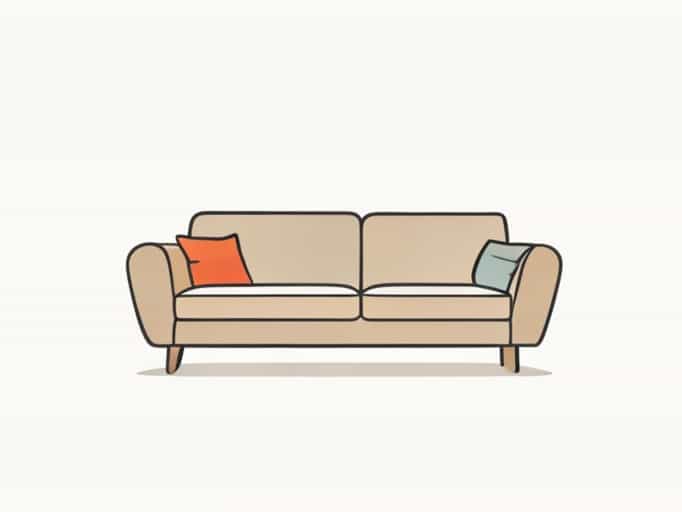
Understanding the different parts of a couch or sofa is essential for anyone looking to buy, assemble, repair, or simply maintain their furniture. A sofa is more than just a comfortable place to sit; it is a complex piece of furniture with multiple components that contribute to its functionality, durability, and design. From the frame to the cushions and legs, knowing the names and purposes of each part helps in selecting the right sofa for your home, ensuring longevity, and even customizing or replacing parts when necessary. Learning these terms can also make discussions with furniture stores, repair services, or designers more efficient and precise.
Basic Structure of a Sofa
The foundation of a sofa is its frame, which provides structural support and determines the overall durability and shape of the furniture. Most high-quality sofas are built with hardwood frames, although some use metal or engineered wood for cost-effectiveness. The frame is usually covered with padding and upholstery, but understanding its role is critical for assessing a sofa’s strength and longevity.
Frame
The frame is the skeleton of the sofa, often made from solid wood, plywood, or metal. It supports all other components and ensures the sofa maintains its shape over time. Sofas with well-built frames tend to be more durable, can hold more weight, and resist sagging or deformation. The joints in the frame, such as corner blocks or screws, also play an important role in structural stability.
Seating Components
The seating area is the part of the sofa where comfort is most important. This section includes the seat cushions, seat deck, and suspension system, all of which work together to provide a comfortable sitting experience.
Seat Cushions
Seat cushions are the padded sections where people sit. They are typically filled with foam, down, or a combination of materials to provide support and comfort. Some sofas have removable cushions, which makes cleaning or replacement easier. The density of the foam and the type of filling significantly affect the comfort and longevity of the cushion.
Seat Deck
The seat deck is the base platform under the cushions, usually made of wood or metal. It supports the seat cushions and ensures they retain their shape. A well-constructed seat deck prevents sagging and contributes to the overall durability of the sofa.
Suspension System
The suspension system consists of springs, webbing, or elastic bands located under the seat deck. This system absorbs weight and provides bounce and comfort. Common types of suspension include sinuous springs, coil springs, and webbing, each offering different levels of support and flexibility.
Back Components
The back of the sofa provides support for the upper body and contributes to both comfort and aesthetics. Back components include the back cushions, back frame, and sometimes a lumbar support feature.
Back Cushions
Back cushions are typically softer than seat cushions and can be attached or loose. They are designed to provide comfort and support for the spine and shoulders. Some sofas feature adjustable or removable back cushions to allow for personalized comfort or easier cleaning.
Back Frame
The back frame is the vertical structure that supports the back cushions. It is usually part of the main sofa frame and can be padded for extra comfort. The height and angle of the back frame play a key role in ergonomic support and overall comfort.
Arm Components
Arms are essential both for comfort and style. They allow users to rest their arms and often define the sofa’s visual design. Sofa arms come in different styles, shapes, and padding levels.
Armrest
The armrest is the top portion of the arm where you rest your arms. It can be padded or firm, depending on the design. Some modern sofas feature low-profile or slim armrests to save space, while traditional designs may have large, cushioned arms for maximum comfort.
Arm Frame
The arm frame is the structural part of the armrest. It connects to the main sofa frame and supports the padding and upholstery. A well-built arm frame enhances durability and stability.
Legs and Base
The legs and base of a sofa are critical for stability and overall appearance. They lift the sofa off the floor, allowing for easier cleaning and a visually appealing profile.
Legs
Sofa legs can be made of wood, metal, or plastic, and come in various styles such as tapered, square, turned, or sled. They provide support for the sofa’s weight and contribute to its design. Some sofas feature hidden legs for a floating appearance, while others have exposed legs that add character.
Base Skirt
Some sofas have a fabric skirt covering the base, often for decorative purposes. The skirt can hide the legs and provide a finished look. While mainly aesthetic, it can also prevent dust from accumulating under the sofa.
Upholstery and Coverings
Upholstery is the material that covers the sofa, giving it both comfort and style. Common fabrics include cotton, linen, microfiber, leather, and synthetic blends. The choice of upholstery affects the sofa’s texture, durability, and ease of cleaning.
Fabric
Fabric is the most visible part of the sofa and plays a key role in comfort and style. It can be patterned or plain, soft or textured, and may include stain-resistant treatments for practicality. Selecting the right fabric ensures the sofa meets both aesthetic and functional needs.
Cushion Covers
Some sofas have removable cushion covers, making it easier to clean and replace. Cushion covers can be zipped or buttoned and allow for seasonal or style updates without replacing the entire sofa.
Additional Components
Modern sofas may include several additional parts designed to increase functionality and comfort.
Throw Pillows
Throw pillows provide extra comfort and decorative appeal. They can be placed on seat or back cushions to enhance support or style. Many sofas come with matching pillows, but homeowners can mix and match for a personalized look.
Recliner Mechanism
For reclining sofas, the mechanism allows the back to tilt and the footrest to extend. This adds a comfort feature, especially for watching TV or napping. Mechanisms can be manual or powered and require maintenance to ensure smooth operation.
Storage Compartments
Some sofas include hidden storage under seats or in armrests, ideal for storing blankets, magazines, or remote controls. These compartments increase functionality without sacrificing style.
Knowing the names and functions of couch or sofa parts helps in selecting, maintaining, and repairing your furniture effectively. From the frame and cushions to the arms, legs, and upholstery, each component plays a vital role in comfort, durability, and style. Understanding these parts also makes it easier to communicate with furniture professionals, customize your sofa, or troubleshoot issues. By familiarizing yourself with sofa components, you can make informed decisions, maintain the furniture properly, and enhance the longevity and aesthetics of your home seating.