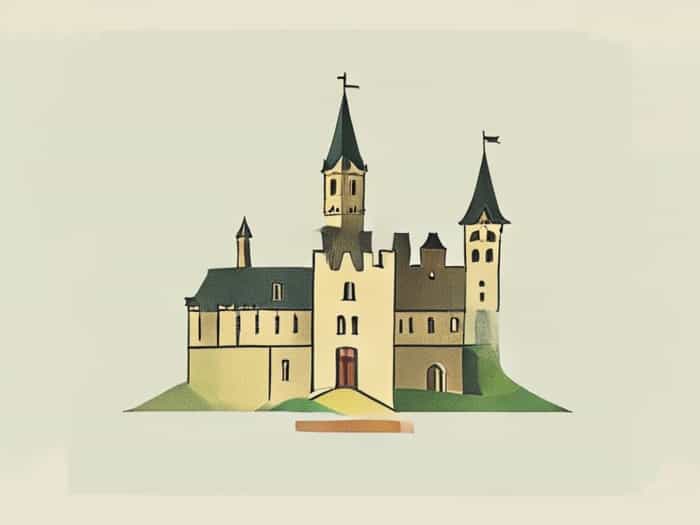
The fourteenth century in England was a period of significant social, political, and economic change, marked by turmoil, transformation, and innovation. From the reigns of Edward II and Edward III to the profound effects of the Black Death, the century reshaped English society in ways that influenced generations to come. Nobility, peasants, and emerging urban populations navigated a landscape defined by war, plague, religious shifts, and political conflict, all while laying the groundwork for England’s evolution into a more centralized and modern state. Understanding the dynamics of fourteenth century England offers insight into the forces that shaped medieval life and the historical trajectory of the country.
Political Landscape in Fourteenth Century England
The political environment of fourteenth century England was complex and often unstable. The century opened under the rule of Edward II, whose reign was marked by conflict with the nobility and military defeats such as the Battle of Bannockburn in 1314. Edward II’s favoritism toward certain nobles and his lack of military success led to widespread dissatisfaction and ultimately his deposition in 1327. The ascension of Edward III brought renewed vigor to the monarchy, particularly with his claims to the French throne, which eventually sparked the Hundred Years’ War, a conflict that would dominate much of the later fourteenth century.
Edward III and the Hundred Years’ War
Edward III’s reign (1327 1377) was defined by his ambition to assert England’s dominance in France. This ambition led to the outbreak of the Hundred Years’ War in 1337, a prolonged series of military campaigns that tested England’s political and economic resilience. Key battles, such as the Battle of Crécy in 1346 and the Battle of Poitiers in 1356, showcased English military innovation, particularly the use of the longbow. These victories strengthened national pride and increased the prestige of the English crown, although the ongoing war also placed heavy financial burdens on the population.
Social and Economic Developments
The social structure of fourteenth century England was dominated by the feudal system, where land ownership and social hierarchy were central to economic and political life. However, this century also saw significant shifts that challenged traditional structures. The Black Death, which struck England in 1348 1350, decimated the population, killing an estimated one-third of the people. The resulting labor shortages empowered peasants and laborers, leading to increased wages and the beginnings of social mobility. This demographic catastrophe also disrupted agricultural production and altered land use patterns across the country.
Urban Growth and Commerce
Despite the devastation of the plague, urban centers such as London, York, and Norwich experienced growth as trade and commerce expanded. Markets flourished, guilds strengthened, and the rise of a merchant class began to challenge the traditional power of the landed aristocracy. The fourteenth century also saw the development of more sophisticated taxation systems to fund military campaigns, which increasingly involved both townspeople and rural populations in the financial responsibilities of the kingdom.
Cultural and Religious Life
Religion played a central role in everyday life during fourteenth century England. The Catholic Church wielded immense influence, both spiritually and politically. Monastic institutions, parish churches, and cathedrals were central to community life, providing education, charity, and social cohesion. The period also saw the rise of Lollardy, a pre-Reformation movement led by John Wycliffe advocating for religious reform and criticism of church corruption. These ideas, though suppressed, planted early seeds of religious questioning that would emerge more fully in the fifteenth and sixteenth centuries.
Art, Literature, and Education
Culturally, the fourteenth century witnessed important developments in English literature and art. The works of Geoffrey Chaucer, particularly The Canterbury Tales, reflected a more diverse social perspective, blending humor, social critique, and narrative skill. Gothic architecture flourished in churches and public buildings, while illuminated manuscripts and other forms of visual art captured both religious and secular themes. Education expanded slowly through cathedral schools and universities, offering literacy and intellectual engagement to a wider segment of the population than in previous centuries.
Legal and Administrative Changes
The administration of justice and governance also evolved during this period. Edward III and his successors implemented legal reforms to standardize law and taxation. The development of common law, the growth of the English Parliament, and the use of statutes to regulate society reflected an increasing complexity in governance. Local courts and administrative officials, such as sheriffs and justices of the peace, gained importance in enforcing royal authority, illustrating the gradual centralization of power.
Peasant Revolts and Social Tensions
Social unrest was a recurring theme in fourteenth century England. The Peasants’ Revolt of 1381 was a direct response to oppressive taxation, labor restrictions, and social inequities exacerbated by the aftermath of the Black Death. Led by figures such as Wat Tyler, peasants and commoners sought to challenge the traditional feudal order, demanding fairer treatment and the reduction of burdens. Although the revolt was suppressed, it highlighted the growing tensions between social classes and foreshadowed further changes in the centuries to come.
Impact of the Black Death
The Black Death was one of the defining events of the fourteenth century, leaving an indelible mark on English society. Beyond the immediate population loss, it prompted profound economic, social, and cultural changes. Labor became more valuable, peasants could negotiate better terms with landlords, and the traditional feudal hierarchy was destabilized. In addition, the collective trauma of the plague influenced art, literature, and religious practice, leading to more somber themes and reflections on mortality and the human condition.
Long-Term Consequences
The consequences of these events shaped England’s transition from a medieval feudal society to one more centralized and economically dynamic. The combination of military conflict, demographic change, social unrest, and cultural innovation created a century of profound transformation. By the end of the fourteenth century, England had seen the consolidation of monarchical authority, the growth of parliamentary influence, and a more diversified economy, laying the foundation for the developments of the fifteenth century.
Fourteenth century England was a time of extraordinary challenge and change. From political upheaval under Edward II to military campaigns led by Edward III, from the devastation of the Black Death to social and economic shifts, this century reshaped English life in lasting ways. Cultural achievements, legal reforms, and emerging social movements reflected a society grappling with change and uncertainty. Understanding the dynamics of fourteenth century England offers insight into the resilience, creativity, and adaptability of its people, as well as the historical forces that would shape the nation for generations.