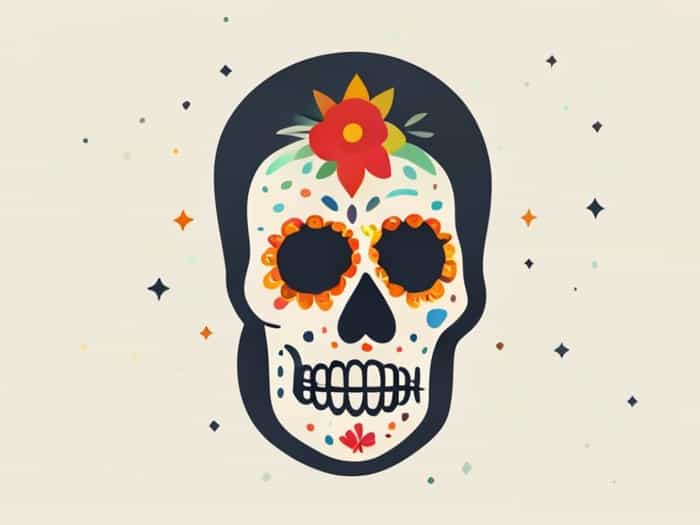
The Day of the Dead, or Día de los Muertos, is a vibrant cultural celebration that honors and remembers deceased loved ones. Observed primarily in Mexico, this tradition blends indigenous Aztec rituals with Catholic influences, creating a unique and colorful festival that celebrates life while acknowledging death. Families come together to build altars, prepare special foods, and share memories of those who have passed away, fostering a sense of connection between generations. This festival, celebrated annually on November 1st and 2nd, is not a somber event but rather a joyful and reflective time that emphasizes the continuity of life and the importance of family and community bonds.
Origins and History of the Day of the Dead
The origins of the Day of the Dead trace back thousands of years to the indigenous cultures of Mesoamerica, including the Aztecs, Maya, and other pre-Columbian civilizations. These societies held the belief that death was a natural part of life and that the spirits of ancestors remained present among the living. During specific times of the year, ceremonies were held to honor these spirits and ensure their well-being in the afterlife. With the arrival of Spanish colonizers in the 16th century, Catholic practices, such as All Saints’ Day and All Souls’ Day, merged with these indigenous rituals, giving rise to the modern Día de los Muertos celebration.
Significance of November 1st and 2nd
November 1st is dedicated to honoring deceased children and infants, often referred to as Día de los Inocentes or Día de los Angelitos. On this day, families create colorful altars and decorate them with toys, candies, and offerings specifically for the spirits of young children. November 2nd, on the other hand, focuses on remembering deceased adults and is considered the main day of the festival. Altars for adults include photographs, favorite foods, beverages, and personal mementos, allowing families to connect with the memories of their loved ones and celebrate their lives in a meaningful way.
Altars and Ofrendas
Central to the Day of the Dead celebration is the creation of altars, known as ofrendas. These elaborate displays are designed to welcome the spirits back to the world of the living and often include multiple tiers representing different aspects of life and the afterlife. Altars are decorated with items that are meaningful to the deceased, such as photographs, personal belongings, and favorite foods. Candles are placed on the altars to guide the spirits, while marigold flowers, or cempasúchil, are used to create paths of vibrant color and fragrance that help the spirits find their way home.
Traditional Foods and Drinks
Food plays an essential role in the Day of the Dead celebrations, serving as both nourishment for the returning spirits and a symbol of family traditions. Pan de muerto, a sweet bread decorated with bone-shaped patterns, is one of the most iconic treats associated with the festival. Other offerings may include tamales, mole, fruits, and sugar skulls, known as calaveras, which are often decorated with colorful icing and the names of the deceased. Beverages such as atole, hot chocolate, or favorite alcoholic drinks of the departed are also included, creating a full sensory experience that honors the deceased through taste and smell.
Symbolism and Artistic Expression
The Day of the Dead is rich in symbolism and artistic expression, with colorful decorations and imagery used to convey themes of life, death, and memory. Skull motifs, known as calaveras, are particularly prevalent and represent the cyclical nature of life. People may paint their faces with intricate skull designs, blending elements of humor, beauty, and respect. Skeleton figurines, or calacas, are often depicted engaging in everyday activities, highlighting the idea that death is a natural and ongoing part of life rather than something to be feared.
Community Celebrations and Parades
While home altars and family gatherings are central to the Day of the Dead, public celebrations and parades also play a significant role. Many towns and cities in Mexico host festivals featuring music, dance, and street performances. Participants dress in elaborate costumes and paint their faces with vibrant skull designs, creating a visually stunning display of culture and tradition. Parades often include floats, giant puppets, and theatrical performances, transforming public spaces into lively celebrations of life and heritage.
Global Influence and Modern Adaptations
In recent years, the Day of the Dead has gained international recognition and has been celebrated in various countries around the world. While maintaining its core traditions, the festival has adapted to modern contexts, incorporating contemporary art, music, and media. Educational programs and cultural events promote awareness of the festival’s historical and spiritual significance, allowing people from different backgrounds to appreciate its values. In popular culture, the Day of the Dead has been featured in films, literature, and art exhibitions, further highlighting its universal themes of remembrance, family, and celebration of life.
Day of the Dead vs. Halloween
While often associated with Halloween due to the timing in early November, the Day of the Dead differs significantly in purpose and tone. Halloween focuses on fear, ghosts, and spooky entertainment, whereas Día de los Muertos emphasizes honoring and remembering loved ones who have passed away. The mood of the Day of the Dead is celebratory and reflective, blending solemn remembrance with joyous festivity. Both holidays involve costumes and decorations, but the underlying messages and cultural contexts are distinct, reflecting different approaches to death and memory.
Preparation and Family Involvement
Preparing for the Day of the Dead is a communal and familial activity that strengthens relationships and fosters cultural continuity. Families often spend weeks preparing altars, cooking traditional foods, and gathering materials for decorations. Children are involved in painting sugar skulls, creating paper marigolds, and learning about the significance of the festival. This intergenerational participation ensures that traditions are passed down and that younger generations understand the cultural importance of remembering and celebrating ancestors.
Spiritual and Emotional Impact
Beyond the visual and festive elements, the Day of the Dead has profound spiritual and emotional significance. For many, it provides an opportunity to confront grief, honor loved ones, and reflect on the meaning of life and mortality. By openly celebrating the lives of the deceased, families find comfort and closure, reinforcing a sense of connection and continuity. The festival’s emphasis on remembrance helps individuals process loss while fostering appreciation for the present and the bonds that endure beyond death.
The Day of the Dead is a unique and meaningful celebration that combines history, culture, spirituality, and family traditions. Through altars, food, art, and communal activities, this festival honors the memory of deceased loved ones while celebrating life itself. Its rich symbolism, joyful spirit, and intergenerational participation make it one of the most visually and emotionally powerful cultural events in the world. By understanding and participating in the Day of the Dead, individuals gain insight into the ways in which humans celebrate life, honor memory, and navigate the universal experience of mortality.