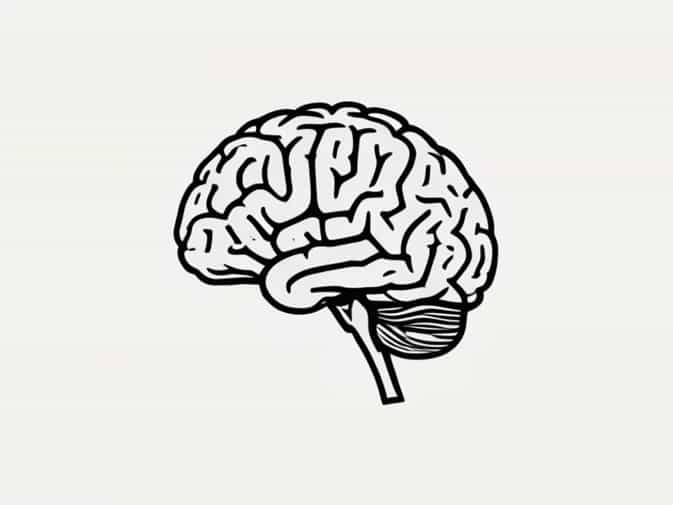
The cerebellum is a vital part of the human brain, located at the back of the skull beneath the cerebral hemispheres. Despite its relatively small size compared to the cerebrum, the cerebellum plays a crucial role in maintaining balance, coordination, and fine motor control. It is responsible for ensuring that movements are smooth, precise, and well-timed, which is essential for everyday activities such as walking, writing, and even speaking. Beyond motor functions, the cerebellum also contributes to certain cognitive processes, making it an indispensable component of the nervous system. Understanding what the cerebellum is responsible for provides insights into how the brain controls both voluntary and involuntary actions.
Overview of the Cerebellum
The cerebellum, often referred to as the little brain, contains approximately 50% of the brain’s neurons despite its small volume. Its structure is highly folded, increasing its surface area and allowing for complex processing of information. The cerebellum is divided into two hemispheres and several lobes, each of which has specific functions related to movement, coordination, and cognition. It communicates with other parts of the brain, including the motor cortex, brainstem, and spinal cord, to ensure seamless execution of tasks.
Anatomy and Structure
The cerebellum consists of three primary parts
- The VestibulocerebellumLocated in the flocculonodular lobe, this area is responsible for balance and eye movement coordination.
- The SpinocerebellumPositioned in the medial region, it regulates posture and fine-tunes voluntary movements.
- The CerebrocerebellumFound in the lateral hemispheres, this section is involved in planning complex movements and coordinating motor learning.
Motor Control and Coordination
One of the primary roles of the cerebellum is controlling motor activity. It ensures that movements are smooth, balanced, and accurately timed. When a person performs an action, the cerebellum receives sensory input from muscles, tendons, and joints, and compares it to the intended movement. This comparison allows for real-time adjustments, correcting errors and maintaining precision.
Fine Motor Skills
The cerebellum is crucial for activities that require precision and coordination, such as writing, playing musical instruments, typing, or drawing. It continuously monitors and adjusts muscle contractions to ensure that movements are accurate and fluid. Damage to the cerebellum can lead to tremors, clumsiness, and difficulty performing tasks that require fine motor control.
Posture and Balance
The cerebellum works closely with the vestibular system in the inner ear to maintain balance and posture. It processes information about the body’s position in space and coordinates muscle activity to prevent falls. This function is essential for walking on uneven surfaces, standing upright, and performing any activity that requires stability.
Motor Learning
In addition to coordinating movement, the cerebellum is responsible for motor learning, which is the process of acquiring new motor skills through practice. When learning to ride a bicycle, play a sport, or perform a dance routine, the cerebellum helps store and refine motor patterns, making movements more automatic over time.
Role in Eye Movement
The cerebellum contributes to the coordination of eye movements, ensuring that they are smooth and accurate. This function is particularly important when tracking moving objects, reading, or maintaining focus on a target. Proper eye movement coordination is vital for depth perception, spatial awareness, and hand-eye coordination.
Cognitive and Emotional Functions
Although traditionally associated with motor control, recent research indicates that the cerebellum also plays a role in cognitive and emotional processing. It communicates with the cerebral cortex and limbic system, influencing thought processes, attention, language, and emotional regulation. While these functions are not as well understood as motor control, evidence suggests that cerebellar damage can affect problem-solving, memory, and mood.
Cognitive Contributions
- Planning and executing complex tasks.
- Processing language and learning new skills.
- Enhancing attention and working memory.
Emotional Regulation
The cerebellum is connected to areas of the brain responsible for emotion. Studies have shown that cerebellar dysfunction can contribute to mood disorders, anxiety, and difficulties in social interactions. While the cerebellum is not the primary center for emotions, it plays a supporting role in modulating responses and maintaining emotional stability.
Common Disorders Related to Cerebellar Dysfunction
Damage or dysfunction in the cerebellum can lead to a variety of motor and cognitive impairments. Some common conditions include
Ataxia
Ataxia is characterized by a lack of muscle coordination, resulting in unsteady movements, difficulty walking, and impaired balance. This condition can be caused by stroke, trauma, degenerative diseases, or genetic factors affecting the cerebellum.
Tremors
Cerebellar damage can produce intention tremors, which occur during voluntary movements. These tremors worsen as the individual approaches the target of the movement, making precise actions difficult.
Cognitive and Emotional Effects
Individuals with cerebellar damage may experience difficulties with executive functions, memory, and attention. Emotional changes such as irritability, anxiety, or depression can also occur, highlighting the cerebellum’s broader role beyond motor control.
The cerebellum is responsible for a wide range of essential functions, including motor coordination, balance, fine motor skills, motor learning, and eye movement. In addition, it contributes to cognitive processes and emotional regulation, demonstrating its importance beyond purely physical tasks. Damage to the cerebellum can lead to significant impairments in movement, coordination, cognition, and mood, emphasizing the need to maintain brain health through proper care and awareness of neurological conditions. Understanding the cerebellum’s responsibilities allows us to appreciate the complexity of human movement, thought, and emotion, highlighting the intricate interplay between different brain regions in everyday life.