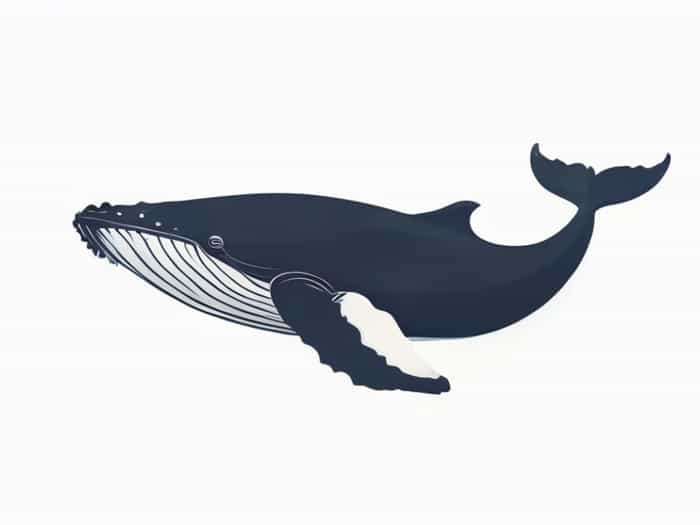
The North Pacific right whale is one of the rarest and most endangered large whale species in the world, known for its slow-moving nature and distinctive features. These whales inhabit the northern Pacific Ocean, primarily in waters off the coasts of North America and Asia, though sightings are extremely rare due to their critically low population. For decades, they have faced threats from human activity, environmental changes, and historical whaling, which nearly drove them to extinction. Understanding the biology, behavior, conservation status, and challenges facing the North Pacific right whale is essential for raising awareness and fostering efforts to protect these magnificent creatures before it is too late.
Physical Characteristics of the North Pacific Right Whale
North Pacific right whales are large baleen whales, capable of reaching lengths of up to 16 meters (52 feet) and weights of around 70 tons. They are dark gray to black in color, with a slightly arched jaw and a broad, paddle-shaped head that makes up about one-quarter of their total body length. One of the most distinctive features is the presence of callosities, rough patches of skin on the head, which are unique to each individual whale and often colonized by whale lice and barnacles. These callosities make them easier to identify in the wild and have been critical for research and monitoring efforts.
Their baleen plates are long and black, allowing them to filter feed on tiny zooplankton and copepods. Unlike other fast-swimming whales, North Pacific right whales are slow movers, making them particularly vulnerable to collisions with ships. Their rounded flippers and lack of a dorsal fin distinguish them from other large whale species.
Habitat and Distribution
Historically, North Pacific right whales were found across much of the northern Pacific Ocean. Today, however, their range has significantly decreased due to historical whaling and ongoing threats. They are generally divided into two populations the western and eastern North Pacific right whales.
Eastern Population
The eastern population inhabits waters off the coasts of California, Oregon, Washington, and southern Alaska. Sightings are extremely rare, with most encounters occurring in the Bering Sea and the Gulf of Alaska. This population is considered critically endangered, with only a few dozen individuals thought to remain.
Western Population
The western population is located near the Sea of Okhotsk and the coasts of eastern Russia and Japan. These whales also face similar challenges, including reduced prey availability, ship strikes, and entanglement in fishing gear. The western population is similarly small, with very few confirmed sightings in recent decades.
Behavior and Feeding Habits
North Pacific right whales are filter feeders, relying on their baleen plates to capture small zooplankton, copepods, and krill. They are known to skim the surface of the water or swim slowly with their mouths open to trap food. Feeding typically occurs in colder, nutrient-rich waters where prey is abundant. Due to their slow speed and large mouths, they can efficiently consume large volumes of food each day.
Socially, right whales are generally solitary or found in small groups. They do not form large pods like some other whale species. Communication is crucial for these whales, especially during mating and feeding. Their vocalizations include low-frequency moans and groans, which can travel long distances underwater, facilitating contact with other whales across vast ocean expanses.
Reproduction and Lifespan
North Pacific right whales have relatively low reproductive rates, which contributes to their vulnerability. Females typically give birth every three to five years after a gestation period of about 12 months. Calves are born at lengths of approximately 4 to 5 meters (13 to 16 feet) and are nursed for six to twelve months. Juveniles stay close to their mothers during this period, learning essential skills for survival.
These whales can live for 50 to 70 years in the wild if they are not affected by human-induced threats. However, the slow reproductive rate combined with historical population decline means that recovery is extremely slow, and any loss of individuals has a significant impact on overall population survival.
Threats Facing North Pacific Right Whales
Despite international protection from commercial whaling, North Pacific right whales face several ongoing threats that continue to endanger their survival. Understanding these threats is crucial for conservation efforts.
Ship Strikes
Due to their slow swimming speed and tendency to stay near the surface, North Pacific right whales are highly vulnerable to collisions with large vessels. Ship strikes can result in injury or death, and even minor impacts can have long-term health consequences for these animals.
Entanglement in Fishing Gear
Fishing nets, lines, and traps pose another serious threat. Entanglement can cause injuries, restrict movement, and reduce feeding efficiency. In some cases, whales become unable to surface for air, leading to drowning.
Climate Change and Prey Availability
Changes in ocean temperature and currents can affect the distribution and abundance of zooplankton, the primary food source for right whales. Reduced prey availability can lead to malnutrition, decreased reproductive success, and increased mortality.
Noise Pollution
Noise from ships, oil exploration, and military exercises can interfere with communication, navigation, and feeding. These disturbances are especially problematic for a species that relies on low-frequency vocalizations for long-distance communication.
Conservation Efforts
Efforts to protect North Pacific right whales are ongoing, though challenging due to their critically low numbers and wide-ranging habitats. International agreements, such as the International Whaling Commission’s moratorium on commercial whaling, have provided some protection. In addition, national laws in the United States, Russia, and Japan prohibit hunting of these whales and establish protected areas.
Research and Monitoring
Scientists use aerial surveys, acoustic monitoring, and photo-identification to track populations and movements. Callosities on the whales’ heads serve as unique identifiers, allowing researchers to monitor individual animals over time. Acoustic studies help identify migration routes and feeding grounds, guiding protection measures.
Shipping Regulations and Fishing Modifications
To reduce ship strikes, authorities have implemented shipping lane adjustments and speed restrictions in key habitats. Modifications to fishing gear, such as breakaway lines and acoustic deterrents, are being tested to reduce entanglement risk.
Public Awareness and Education
Raising awareness of the North Pacific right whale’s plight helps garner support for conservation policies and funding. Public education emphasizes the importance of reducing human impact, protecting critical habitats, and supporting research initiatives.
Importance of Protecting North Pacific Right Whales
These whales play an important ecological role in the ocean. As large filter feeders, they help regulate plankton populations, which affects the entire marine food web. Protecting North Pacific right whales also preserves biodiversity and contributes to the health of marine ecosystems.
Moreover, as one of the rarest whale species, they hold scientific and cultural value. Each individual represents an irreplaceable part of the species’ genetic diversity, and their survival provides insight into the resilience and challenges of large marine mammals in a changing world.
The North Pacific right whale is a critically endangered species whose survival is threatened by ship strikes, entanglement, climate change, and human disturbance. These whales are unique in their physical characteristics, slow movements, and feeding habits. Understanding their biology, behavior, and threats is essential for effective conservation. Ongoing research, habitat protection, and public awareness are crucial to prevent further decline and support recovery.
Protecting the North Pacific right whale is not only about saving a species; it is about preserving a vital part of marine ecosystems and promoting awareness of human impact on the oceans. By supporting conservation initiatives and reducing threats, humans can help ensure that future generations may witness the survival and recovery of this remarkable whale.