Rotted wood is a common problem in homes, gardens, and outdoor structures, and many people often wonder if it is the same as mold or if the two are connected. While rotted wood and mold are related in that both involve the decay of organic material, they are not exactly the same thing. Understanding the difference between rotted wood and mold is important for homeowners, builders, and anyone involved in maintenance or restoration work, as the methods for addressing these issues vary significantly. Moisture, fungi, and environmental conditions play crucial roles in the formation of both rotted wood and mold, making it essential to recognize the signs and take preventative measures.
What is Rotted Wood?
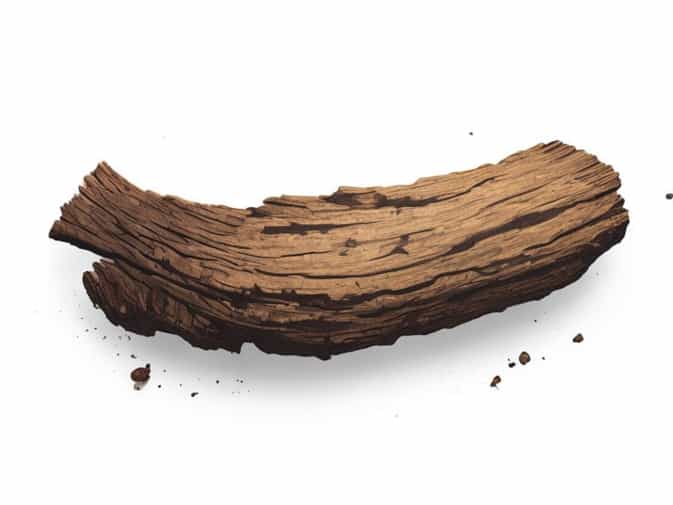
Rotted wood refers to wood that has deteriorated due to prolonged exposure to moisture and fungal activity. Over time, fungi break down the cellulose and lignin in the wood, causing it to lose its structural integrity. This decay can affect the wood’s strength, appearance, and functionality, making it unsuitable for construction or load-bearing purposes.
Types of Wood Rot
There are several types of wood rot, each caused by different fungal species
- Dry RotCaused by certain fungi that can spread even in relatively dry conditions once established, dry rot can compromise structural wood in buildings.
- Wet RotTypically occurs in wood that is consistently exposed to moisture, such as outdoor decks or poorly ventilated areas. Wet rot results in soft, spongy wood that may crumble easily.
- Brown RotPrimarily breaks down the cellulose in wood, leaving behind a brown, crumbly structure. This type is common in timber and softwoods.
- White RotDecomposes both lignin and cellulose, often leaving the wood pale and stringy. It is commonly found in damp, shaded outdoor areas.
What is Mold?
Mold is a type of fungus that grows in damp environments and can appear on a variety of surfaces, including wood, drywall, and fabrics. Unlike wood rot fungi, mold primarily grows on the surface and does not always compromise the structural integrity of the material immediately. Mold reproduces through spores, which can become airborne and pose health risks, especially to individuals with allergies or respiratory conditions.
Common Signs of Mold
Mold growth on wood can manifest in various forms and colors, including black, green, white, or gray patches. Other indicators include a musty odor, discoloration, and a soft or fuzzy texture on the surface. Detecting mold early is crucial to prevent it from spreading and causing potential health hazards.
Relationship Between Rotted Wood and Mold
While rotted wood and mold are not the same, they are connected through moisture and fungal activity. Moist environments that allow wood to rot also create ideal conditions for mold to grow. In many cases, rotted wood may have mold growing on or inside it, but not all mold indicates wood rot. Conversely, wood can rot without visible mold if the decay fungi are active primarily within the wood fibers rather than on the surface.
Moisture as a Common Factor
Both wood rot and mold require moisture to thrive. Leaks, poor ventilation, and water exposure from rain or plumbing issues can create conditions suitable for both phenomena. Managing moisture is the most effective preventative measure for both mold and rotted wood.
Fungal Differences
The fungi responsible for wood rot differ from typical household mold. Rot fungi penetrate deep into the wood, breaking down structural components, whereas mold tends to colonize the surface. Understanding the specific type of fungus involved can help determine the appropriate treatment and repair methods.
Health and Safety Concerns
Rotted wood itself is primarily a structural concern, but mold growing on rotted wood can pose health risks. Exposure to mold spores can trigger allergic reactions, respiratory problems, and other health issues. Therefore, it is important to address mold growth as soon as it is detected, especially in living areas or spaces with poor ventilation.
Preventing Mold and Rot
- Control MoistureEnsure proper ventilation, fix leaks, and use dehumidifiers to keep indoor spaces dry.
- Regular InspectionsInspect wooden structures, decks, and furniture for signs of moisture damage or discoloration.
- Use Treated WoodPressure-treated or naturally rot-resistant woods can reduce the likelihood of rot and mold.
- Prompt RepairsReplace or repair damaged wood promptly to prevent further decay and mold growth.
- Sealants and CoatingsProtective finishes can create a barrier against moisture infiltration, reducing the risk of both rot and mold.
Repairing Rotted Wood
When wood rot is detected, prompt repair is essential. Small areas of rot can sometimes be treated with wood fillers, epoxy, or consolidants. However, extensive decay often requires replacing the affected wood entirely. After repairs, it is crucial to address the underlying moisture issue to prevent recurrence.
Professional Assessment
In cases where wood rot and mold are extensive, consulting a professional is recommended. Experts can identify the type of fungi, assess structural damage, and provide appropriate remediation methods. Professional intervention ensures that both health risks and structural concerns are addressed effectively.
Rotted wood and mold are related issues that both stem from moisture and fungal activity, but they are not the same. Rotted wood refers to structural decay caused by fungi breaking down the wood, while mold is primarily a surface fungus that can affect health if left unchecked. Both problems require attention, but the strategies for addressing them differ. Controlling moisture, using treated wood, performing regular inspections, and making timely repairs are key to preventing both wood rot and mold. Understanding the distinction between rotted wood and mold helps homeowners, builders, and maintenance professionals manage these issues effectively, ensuring structural integrity, safety, and a healthy living environment. Recognizing the signs of both problems early and taking proactive measures can prevent costly repairs and minimize potential health hazards associated with mold exposure.