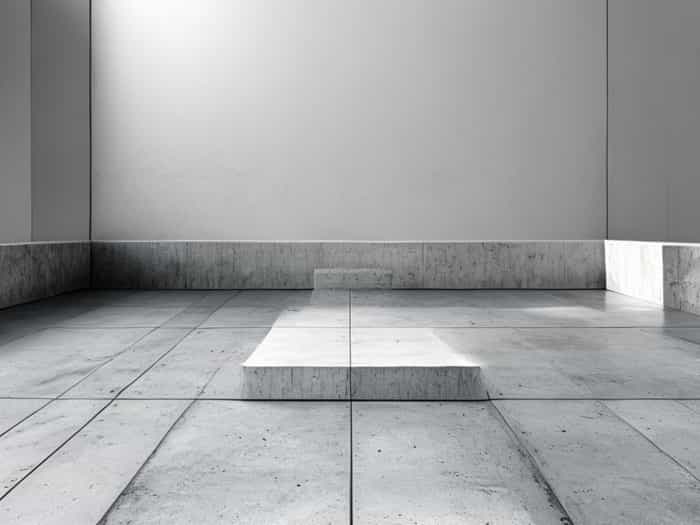
The levelness of concrete floors is a critical factor in construction and building maintenance, influencing both structural integrity and aesthetic appeal. Properly leveled concrete floors ensure safety, functionality, and durability, affecting everything from furniture placement to machinery installation. Achieving level floors requires careful planning, precise measurement, and skilled execution during pouring and finishing processes. In modern construction, the emphasis on levelness has increased due to the demands of commercial buildings, industrial facilities, and residential spaces where uneven floors can lead to costly repairs, operational inefficiencies, and safety hazards. Understanding the principles, measurement techniques, and corrective methods for concrete floor levelness is essential for builders, architects, and contractors aiming for high-quality results.
Understanding Levelness of Concrete Floors
Levelness refers to how even and flat a concrete surface is across its area. It is distinct from flatness, which measures surface smoothness over shorter distances. Level floors are crucial in preventing water pooling, ensuring uniform load distribution, and providing a safe walking surface. The levelness of concrete can impact structural performance, as uneven surfaces may lead to stress concentrations, cracking, or premature wear. For industrial and commercial spaces, level floors are essential for proper installation of equipment, conveyor systems, and shelving units.
Factors Affecting Levelness
Several factors influence the levelness of concrete floors during construction
- Subfloor PreparationUneven subfloors or poorly compacted substrates can lead to variations in concrete level.
- Concrete MixThe composition, workability, and slump of the concrete affect its ability to spread evenly.
- Pouring TechniqueConsistent pouring and spreading methods are critical to achieving uniform levels.
- Finishing MethodsTools like screeds, trowels, and laser levels help maintain level surfaces during finishing.
- Environmental ConditionsTemperature, humidity, and curing conditions can cause uneven settling or shrinkage.
Addressing these factors from the planning stage through curing ensures the concrete floor achieves the desired levelness and long-term performance.
Measurement Techniques
Accurately assessing the levelness of concrete floors requires specific tools and methodologies. Modern construction often employs laser leveling systems, which provide high precision over large areas. Traditional methods include the use of spirit levels, straight edges, and optical levels. The choice of measurement technique depends on project size, required accuracy, and budget. Regular monitoring during the pouring and finishing stages allows for early corrections, reducing the need for costly post-construction adjustments.
Industry Standards
Several industry standards define acceptable tolerances for concrete floor levelness. For example, the American Concrete Institute (ACI) provides guidelines for measuring floor flatness and levelness, specifying maximum allowable deviations over given distances. Compliance with these standards ensures floors meet safety, performance, and aesthetic requirements. Adhering to such guidelines also helps prevent disputes between contractors, clients, and regulatory authorities, establishing clear benchmarks for quality control.
Techniques to Achieve Level Concrete Floors
Achieving optimal levelness requires careful execution at every stage of floor construction. Key techniques include
- Proper Subfloor PreparationRemove debris, compact soil or gravel, and use leveling compounds as needed.
- Controlled Concrete PouringPour concrete evenly, using consistent batches and avoiding excessive delays between sections.
- ScreedingEmploy screeds or laser-guided tools to level the surface immediately after pouring.
- TrowelingUse hand or power trowels to refine surface levelness and smoothness, maintaining consistent pressure.
- CuringImplement proper curing techniques to prevent uneven shrinkage or cracking, which can affect levelness over time.
Attention to detail during these processes ensures a durable, level floor that meets both functional and aesthetic requirements.
Common Challenges
Several challenges can arise when working to achieve level concrete floors. Rapid drying can lead to uneven settling, especially in large pours. Inconsistent concrete mix or improper finishing techniques may result in high or low spots. Environmental factors such as wind, heat, or moisture variations can also create challenges. Skilled workmanship, combined with careful monitoring and appropriate tools, helps overcome these obstacles, ensuring a consistent and level surface.
Corrective Measures
If a concrete floor does not achieve the desired levelness, corrective measures can be implemented. Common solutions include
- GrindingRemoving high spots using specialized grinders to create a uniform surface.
- Self-Leveling CompoundsApplying leveling compounds or overlays to fill low areas and achieve uniformity.
- Concrete ResurfacingIn cases of extensive unevenness, a thin overlay of fresh concrete can correct the level.
- Spot RepairsTargeted adjustments using patching materials for localized irregularities.
These corrective methods allow for retroactive improvements, but achieving levelness during initial construction remains the most effective and cost-efficient approach.
Importance in Various Applications
The levelness of concrete floors is particularly critical in specific applications. In industrial settings, uneven floors can affect machinery alignment, conveyor operation, and worker safety. Commercial spaces require level floors for proper installation of furniture, fixtures, and flooring materials. Residential buildings benefit from level floors in terms of comfort, aesthetics, and the longevity of flooring finishes. Recognizing the importance of levelness in each context informs design, material selection, and construction techniques.
Impact on Safety and Durability
Uneven concrete floors can pose safety risks, including tripping hazards and improper load distribution. Over time, uneven floors may lead to cracks, joint failures, or structural damage, reducing the lifespan of the floor and associated structures. Ensuring proper levelness enhances safety, supports durability, and reduces maintenance costs. This consideration is especially important in high-traffic areas or facilities with heavy equipment.
Future Trends in Floor Leveling
Advances in technology continue to improve the levelness of concrete floors. Laser-guided screeds, automated leveling systems, and real-time monitoring tools allow for greater precision and efficiency. Innovations in concrete mixtures and additives also enhance flowability, reducing the risk of uneven surfaces. As construction standards evolve, the demand for perfectly level floors in commercial, industrial, and residential projects is likely to increase, driving further improvements in materials, techniques, and quality control measures.
Environmental Considerations
Modern construction practices also emphasize sustainability when achieving level concrete floors. Efficient use of materials, reduction of waste, and energy-conscious curing methods contribute to environmentally responsible construction. Properly leveled floors reduce the need for excessive corrective measures or replacement, further supporting sustainable practices in the building industry.
The levelness of concrete floors is a fundamental aspect of construction that influences safety, functionality, and aesthetics. Achieving level floors requires careful subfloor preparation, precise pouring and finishing techniques, and adherence to industry standards. While challenges such as rapid drying or environmental factors may arise, modern tools and corrective methods allow for accurate and durable results. The importance of level floors spans residential, commercial, and industrial applications, affecting everything from comfort and appearance to machinery operation and structural integrity. By prioritizing levelness in design and construction, builders ensure high-quality concrete floors that provide lasting performance, safety, and visual appeal.