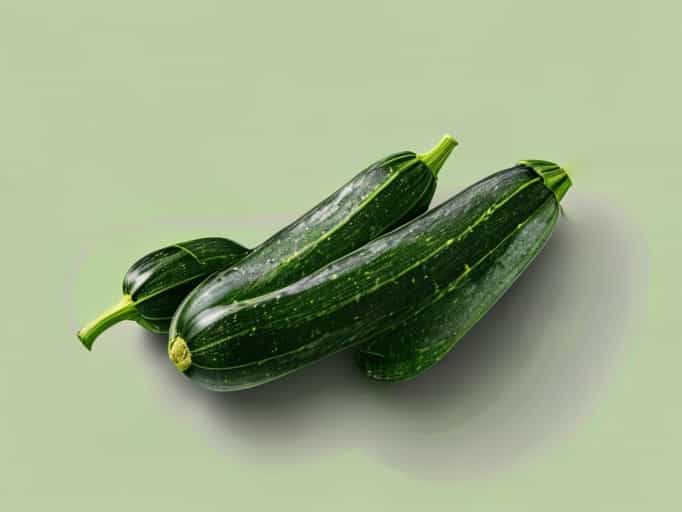
Zucchini seeds from zucchini offer gardeners a simple and sustainable way to grow their own crops year after year. By saving seeds directly from mature zucchinis, home gardeners can ensure that their plants are well-adapted to local conditions, promoting healthier growth and higher yields. Understanding how to properly harvest, prepare, and store zucchini seeds is essential for anyone interested in cultivating this versatile vegetable. From selecting the best fruits to extracting seeds and drying them correctly, the process combines practicality with the satisfaction of nurturing plants from seed to harvest. This guide explores everything you need to know about zucchini seeds from zucchini, including tips, techniques, and best practices for successful gardening.
Choosing the Right Zucchini for Seeds
The first step in saving zucchini seeds is selecting the right fruit. Unlike zucchinis meant for immediate consumption, seed-producing zucchinis should be allowed to fully mature on the plant. Mature zucchinis typically grow larger and develop a hard rind, indicating that the seeds inside have fully developed. Selecting healthy, disease-free zucchinis is essential, as the seeds carry the genetic traits of the parent plant. Opting for fruits from strong, productive plants ensures that future crops inherit these favorable characteristics.
Tips for Selecting Zucchinis
- Choose zucchinis that are larger and fully mature.
- Avoid fruits with signs of disease or pest damage.
- Select fruits from plants that produced high yields and healthy growth.
- Consider the variety of zucchini to maintain desired traits, such as color and flavor.
- Ensure the plant has been properly pollinated for viable seed development.
Harvesting Zucchini Seeds
Once the zucchini is fully mature, harvesting seeds requires careful handling to preserve their viability. Start by cutting the zucchini open lengthwise using a sharp knife. Inside, the seeds are embedded in a soft, spongy pulp. Gently scoop out the seeds along with the surrounding flesh. It’s important to work carefully to avoid damaging the seeds, as broken or bruised seeds may not germinate properly. After extraction, seeds should be separated from the pulp to prepare them for drying.
Methods for Extracting Seeds
- Spoon method scoop seeds and pulp directly into a container.
- Water separation soak seeds in water to help pulp float away.
- Manual rubbing gently rub seeds to remove pulp, taking care not to damage them.
- Screen method strain seeds through a fine mesh to remove excess flesh.
- Use of fermentation fermenting seeds briefly to remove remaining gel and improve germination.
Cleaning and Preparing Seeds
After extracting zucchini seeds, cleaning is a crucial step to ensure healthy germination. Rinse the seeds thoroughly under running water to remove all remaining pulp and gel. Some gardeners prefer to allow seeds to ferment for a short period, typically 1 3 days, which can improve germination rates by breaking down any seed coating that may inhibit sprouting. After cleaning, seeds should be spread out on a paper towel or screen to dry completely. Proper drying prevents mold growth and ensures that seeds remain viable for storage.
Cleaning Tips
- Rinse seeds thoroughly to remove pulp and debris.
- Consider fermenting seeds to remove gelatinous coating.
- Use clean, food-safe containers to avoid contamination.
- Dry seeds in a cool, well-ventilated area away from direct sunlight.
- Ensure seeds are completely dry before storage to prevent mold.
Storing Zucchini Seeds
Proper storage is key to maintaining the viability of zucchini seeds. Once seeds are completely dry, place them in labeled envelopes, jars, or containers that protect them from moisture and pests. Store seeds in a cool, dark, and dry location, such as a refrigerator or a climate-controlled pantry. When stored correctly, zucchini seeds can remain viable for several years. Labeling the seeds with the variety and harvest year is essential for tracking and future planting.
Storage Best Practices
- Use airtight containers to prevent moisture exposure.
- Keep seeds in a dark, cool environment to slow aging.
- Label containers with variety and year of harvest.
- Periodically check stored seeds for signs of mold or deterioration.
- Rotate seed stock to use older seeds first while maintaining a supply of fresh seeds.
Planting Zucchini Seeds
When it comes time to plant zucchini seeds, preparing soil and proper spacing are essential for strong, healthy plants. Seeds can be started indoors in seed trays or sown directly outdoors once the soil has warmed sufficiently. Plant seeds approximately 1 inch deep, with adequate spacing between plants to allow for growth. Regular watering, full sun exposure, and nutrient-rich soil will ensure the best germination and plant development. Gardeners should also be aware of potential pests and diseases that could affect young plants, taking preventative measures to protect seedlings.
Planting Tips
- Sow seeds 1 inch deep in fertile, well-drained soil.
- Space plants 2 3 feet apart for optimal growth.
- Provide full sunlight and consistent moisture.
- Monitor seedlings for pests such as squash bugs or powdery mildew.
- Transplant seedlings carefully if started indoors to avoid root disturbance.
Benefits of Using Zucchini Seeds from Zucchini
Using seeds from home-grown zucchinis offers several advantages. Gardeners can select seeds from their best plants, ensuring desirable traits in future crops. This practice promotes sustainability by reducing the need to purchase commercial seeds and allows gardeners to develop varieties adapted to their local environment. Additionally, saving seeds provides an educational opportunity for learning about plant reproduction, genetics, and cultivation techniques. By maintaining a seed-saving routine, gardeners contribute to the preservation of plant diversity while enjoying fresh, homegrown produce.
Advantages
- Selection of seeds from high-yield, healthy plants.
- Cost-effective and sustainable gardening practice.
- Ability to adapt varieties to local growing conditions.
- Educational insight into plant growth and genetics.
- Contribution to preserving plant diversity for future crops.
Zucchini seeds from zucchini provide gardeners with a reliable and rewarding way to grow their own vegetables while promoting sustainability and plant diversity. By selecting mature fruits, carefully extracting and cleaning seeds, and storing them properly, gardeners can ensure successful germination and healthy plant growth. With proper care and attention, zucchini seeds can produce bountiful harvests year after year, offering both nutritional and educational benefits. For anyone interested in home gardening, saving and using zucchini seeds is an essential skill that enhances the gardening experience and deepens the connection between the gardener and their plants.