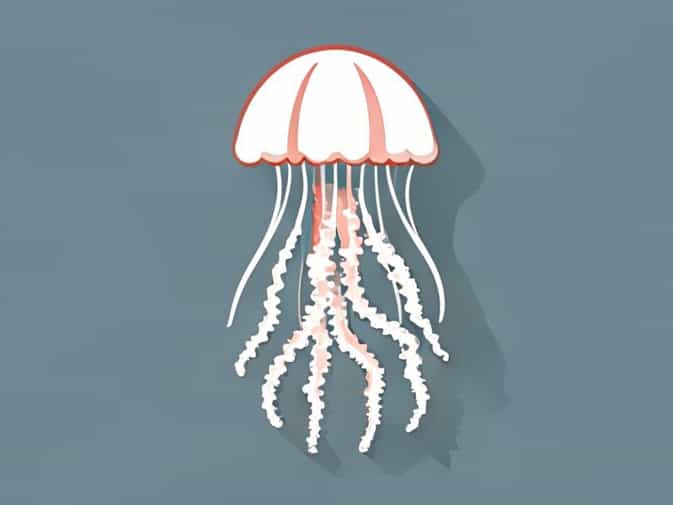
The Bay of Fundy is known for its dramatic tides, rich marine life, and ever-changing coastal scenery, but one aspect that continues to fascinate visitors is the presence of jellyfish in its waters. These drifting, translucent creatures add an element of mystery to the ocean environment, often appearing during warm months when conditions are ideal for their growth and movement. Understanding the types of jellyfish found in the Bay of Fundy, their seasonal patterns, and their role in the ecosystem can help visitors appreciate these animals while remaining aware of their behavior and potential risks. The bay’s unique geography and powerful tidal cycles make it a dynamic habitat where jellyfish thrive naturally.
Jellyfish in the Bay of Fundy
The Bay of Fundy, located between New Brunswick and Nova Scotia, is an ecosystem influenced by the world’s highest tides. These strong tidal movements circulate nutrients and bring various marine organisms to the surface, creating a perfect environment for jellyfish blooms. As seasonal temperatures rise, jellyfish populations often increase, making them more visible to visitors exploring the coastline.
Why Jellyfish Thrive Here
Jellyfish are adaptable animals that can survive in different marine conditions. The Bay of Fundy offers several factors that support their growth
- High nutrient levels brought in by strong tidal currents
- Sheltered coves and bays ideal for jellyfish drifting
- Variable temperatures that support different jellyfish species
- Abundant plankton, which is their primary food source
Because of these conditions, the area is known for regular jellyfish sightings, especially during late spring and summer.
Common Jellyfish Species in the Bay of Fundy
Several species appear in these waters, each with its own characteristics, colors, and sizes. Recognizing the types of jellyfish found here can help visitors better understand what they are seeing along the shoreline or while boating.
Lion’s Mane Jellyfish
The Lion’s Mane jellyfish is one of the most frequently observed species in the Bay of Fundy. Known for its large bell and long, trailing tentacles, this jellyfish can be striking in appearance. Its color ranges from pale yellow to deep reddish-brown depending on its size. Although its sting can be painful, it is rarely dangerous to humans.
Moon Jellyfish
Moon jellyfish are recognizable by their translucent bodies and four distinct horseshoe-shaped patterns visible inside the bell. These jellyfish are common worldwide and often drift near the surface. They have mild stings that are usually harmless to people, making them one of the more familiar species for beachgoers.
Comb Jellies
Comb jellies, though not true jellyfish, are sometimes mistaken for them because of their gelatinous bodies. They do not sting and instead use sticky cells to capture prey. When light reflects off their rows of cilia, they display shimmering, rainbow-like colors that make them beautiful to observe in the water.
Seasonal Patterns of Jellyfish Sightings
While jellyfish can appear at various times of year, their presence is most noticeable in the warmer months. Seasonal cycles play a major role in their reproduction, movement, and population growth.
Spring
As temperatures begin to rise and plankton populations increase, jellyfish start to appear more frequently. This is a time when smaller, younger jellyfish may be seen floating near the surface.
Summer
Summer is the peak season for jellyfish in the Bay of Fundy. Warm water temperatures and abundant food supply create ideal conditions for large jellyfish blooms. Visitors are more likely to spot them during beach visits, boat tours, or while exploring tidal pools.
Early Autumn
In early autumn, jellyfish populations may remain high depending on the year’s weather conditions. As waters begin to cool, jellyfish gradually become less frequent, eventually disappearing from most areas until the next seasonal cycle begins.
Jellyfish Behavior in a High-Tide Environment
The Bay of Fundy’s tides play an important role in how jellyfish move through the area. With tidal changes reaching up to 16 meters in some locations, marine life experiences constant motion.
Drifting with the Tides
Jellyfish rely mostly on ocean currents for their movement, and in a place like the Bay of Fundy, this means they can travel long distances in a short amount of time. On incoming tides, jellyfish often drift closer to shore, while outgoing tides may pull them back into deeper regions.
Impact of Currents on Jellyfish Blooms
When currents trap jellyfish in certain areas, large groups can gather and form what is commonly called a bloom. These blooms can be fascinating to observe from boats or coastal overlooks, offering a unique natural phenomenon for visitors.
Are Jellyfish Dangerous in the Bay of Fundy?
Jellyfish are generally not considered a major danger in the bay, but some species can sting, causing discomfort for swimmers. Understanding how to avoid stings and what to do if one occurs can help keep visitors safe.
Potential Risks
- Lion’s Mane jellyfish can cause painful but usually non-serious stings
- Moon jellyfish stings are mild and often barely noticeable
- Comb jellies do not sting and pose no threat
How to Stay Safe
- Avoid touching jellyfish, even if washed ashore
- Wear protective swimwear if swimming during peak jellyfish season
- Stay aware of local advisories or swimming conditions
Jellyfish stings typically resolve quickly, but it is always wise to rinse the area with seawater and seek help if severe reactions occur.
Ecological Importance of Jellyfish in the Bay
Jellyfish play an essential role in the Bay of Fundy’s complex marine ecosystem. Though often misunderstood, they contribute to the food web in meaningful ways.
Food Source for Marine Animals
Many species rely on jellyfish as a natural food source, including fish, seabirds, turtles, and larger jellyfish. Their presence supports biodiversity throughout the bay.
Population Control of Plankton
Jellyfish consume large quantities of plankton, helping regulate the balance of microscopic organisms in the water. This balance influences the health of the entire marine environment.
Indicators of Environmental Change
Jellyfish populations can reflect changing ocean conditions such as temperature shifts and nutrient levels. Their behavior provides clues that researchers use to study marine health.
What Visitors Can Expect
Visitors to the Bay of Fundy can enjoy observing jellyfish from a safe distance, whether walking along the shoreline or taking part in guided ocean tours. Depending on the season, jellyfish sightings may range from a few individuals to large groups drifting near the surface.
Best Ways to Observe Jellyfish
- Look for them during calm weather, when the water is clearer
- Observe from docks, piers, or tide pools
- Join local boat tours that often point out marine wildlife
Because jellyfish move with the tides, their presence varies from day to day, creating a dynamic environment that offers something new each visit.
Jellyfish in the Bay of Fundy are part of what makes this region such an intriguing place for nature lovers and coastal explorers. Their presence is shaped by powerful tides, rich nutrients, and seasonal changes that create ideal conditions for jellyfish blooms. Whether large and colorful like the Lion’s Mane or delicate and translucent like Moon jellies, these animals contribute to the bay’s biodiversity and natural beauty. Observing jellyfish safely can enhance the experience of visiting this coastal region and deepen appreciation for the unique marine life that thrives within its waters.