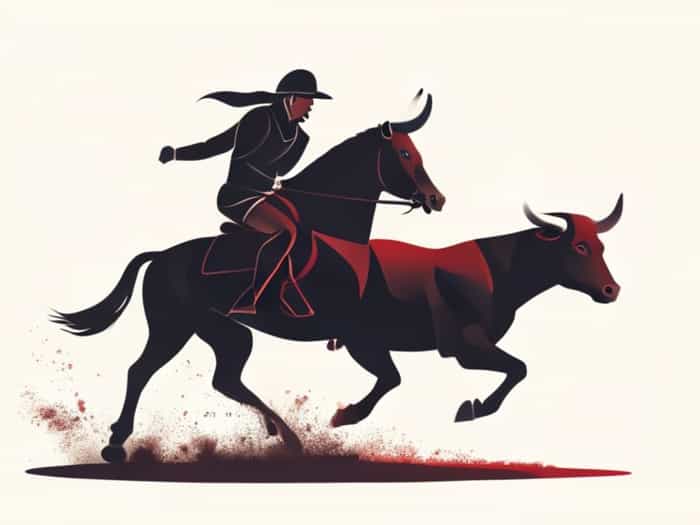
The image of a horseman at a bullfight captures one of the most iconic and dramatic elements of traditional bullfighting, a spectacle that combines skill, bravery, and artistry. Unlike the more familiar matador on foot, the horseman, known as a rejoneador, performs mounted on a horse, engaging the bull with precision and elegance. This form of bullfighting has a rich history, rooted in Iberian culture, and continues to attract audiences who appreciate the synchronization between rider and horse, as well as the courage required to confront a powerful animal in an arena. Understanding the role of the horseman at a bullfight involves exploring the techniques, history, and cultural significance behind this unique performance.
The Role of the Horseman in Bullfighting
The horseman, or rejoneador, plays a crucial role in the bullfight, offering a different perspective compared to a traditional matador. Mounted on a specially trained horse, the rider demonstrates skill in guiding the horse to avoid the bull’s charges while simultaneously placing lances, known as rejones, into the bull at strategic points. The performance requires precise timing, balance, and a deep connection between horse and rider. Unlike the matador on foot, the horseman must manage two lives in the arena their own and that of the horse making the task extraordinarily demanding.
Historical Background of Rejoneo
Rejoneo has its origins in medieval Spain and Portugal, where mounted combat was a part of both military training and noble leisure. Over time, these displays of horsemanship evolved into a formalized bullfighting practice, emphasizing skill and artistry rather than sheer violence. By the 18th century, the horseman at a bullfight had become a distinct figure, celebrated for their ability to showcase both equestrian expertise and courage in facing the bull. Today, rejoneo maintains traditional elements while also adapting to modern standards of performance and spectacle.
Training of Horse and Rider
The preparation for a horseman at a bullfight is extensive. Horses must be trained to respond to subtle commands, remain calm under pressure, and maneuver with agility in the bullring. Similarly, the rider must master horsemanship, anticipate the bull’s movements, and perform precise placements of the rejones. Training often involves hours of practice in both open spaces and simulated arenas, building trust and communication between horse and rider. The synergy achieved through this training is what allows the horseman to execute daring maneuvers safely and effectively.
Techniques Used by the Horseman
Several key techniques define the performance of a horseman at a bullfight
- Passes or LancesThe rider guides the horse close to the bull and places rejones strategically, demonstrating control and bravery.
- Dodges and FeintsQuick maneuvers allow the horse and rider to avoid charges while maintaining composure and elegance.
- Circular MovementsMoving in circles around the bull showcases the agility of the horse and the precision of the rider.
- Final KillIn traditional practice, the horseman may deliver the final blow using a larger lance, requiring exceptional timing and accuracy.
Each of these techniques highlights the combination of skill, courage, and artistry that defines the horseman’s role in bullfighting.
Horse Breeds and Equipment
Not all horses are suited for bullfighting, and specific breeds are preferred for their agility, temperament, and responsiveness. Iberian horses, such as the Lusitano, are commonly used because of their strength, intelligence, and ability to perform complex movements under stress. Equipment also plays a crucial role, with specialized saddles, bridles, and protective gear designed to ensure the safety of both horse and rider. The collaboration between horse, equipment, and rider creates a seamless performance that blends power, control, and beauty.
Safety and Ethical Considerations
The role of the horseman at a bullfight also raises questions about safety and ethics. Horses are trained to avoid injury, and professional riders take precautions to minimize risk. Protective padding and training techniques help shield the horse from harm during the bull’s charges. Additionally, modern regulations in some regions have introduced guidelines to reduce suffering for both bull and horse, emphasizing respect for animal welfare while preserving the tradition of rejoneo.
Cultural Significance of the Horseman
The horseman at a bullfight is more than a performer; they represent a cultural heritage that blends history, art, and sport. Rejoneo is celebrated in festivals across Spain, Portugal, and Latin American countries, where spectators appreciate the elegance, precision, and daring displayed in the arena. The presence of a horse adds grandeur and spectacle to the event, drawing attention to the partnership between human and animal. It also reflects centuries-old traditions that honor equestrian skills and the bravery required to face a bull.
Artistic Representation
The image of a horseman at a bullfight has inspired countless artists, from painters to photographers, capturing the drama, movement, and intensity of the scene. The elegance of the horse, the focus of the rider, and the dynamic tension of the bull create striking compositions that highlight the interplay of strength and control. Artistic representations often emphasize the harmony between horse and rider, illustrating the balance of power and grace that defines rejoneo.
Modern Adaptations and Global Interest
While traditional bullfighting faces criticism in some regions, the horseman continues to attract audiences globally. Modern adaptations include demonstration events, educational programs, and exhibitions that focus on horsemanship and skill rather than harm to the bull. International interest in equestrian sports and cultural festivals has helped maintain the visibility of the horseman at bullfights, introducing new generations to this unique form of performance. By emphasizing skill, precision, and artistry, modern events honor the tradition while adapting to contemporary values.
The horseman at a bullfight embodies a unique blend of courage, artistry, and equestrian skill. From historical origins in medieval Iberian traditions to modern performances in arenas worldwide, the role of the rejoneador continues to captivate audiences. The synergy between horse and rider, the precise execution of techniques, and the cultural significance of the spectacle make the horseman an enduring symbol of bravery and elegance. Whether appreciated as a sport, art form, or cultural tradition, the horseman at a bullfight represents a fascinating intersection of human and animal performance that continues to inspire admiration and respect around the world.