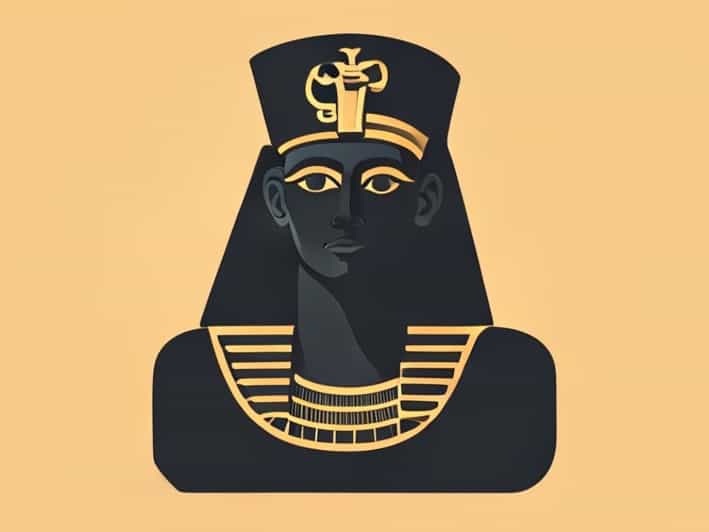
The statue of Amenhotep, son of Hapu, is one of the most remarkable examples of ancient Egyptian art, reflecting the unique combination of artistry, religious devotion, and social prestige in the New Kingdom period. Amenhotep was a high-ranking official and architect under Pharaoh Amenhotep III, known for his extraordinary contributions to the state, including major construction projects and religious monuments. The statue itself is not only a celebration of his accomplishments but also serves as a testament to the Egyptian belief in the eternal legacy of individuals who served the gods and pharaoh faithfully. It captures both the realism and idealism characteristic of Egyptian statuary, offering insights into the culture, values, and aesthetics of the time.
Who Was Amenhotep, Son of Hapu?
Amenhotep, son of Hapu, lived during the 18th Dynasty of Egypt, under the reign of Amenhotep III, approximately 1400 BCE. He held multiple positions, including scribe, architect, and priest, and was considered one of the most influential figures of his era. Beyond his administrative duties, Amenhotep was renowned for his wisdom and integrity, which earned him a deified status after his death. Egyptians believed that exceptional officials could achieve a form of immortality through divine reverence, and the cult of Amenhotep, son of Hapu, persisted for centuries following his death.
Roles and Achievements
- Chief architect for monumental projects, including temples and palaces.
- Overseer of royal building programs, particularly those of Amenhotep III.
- High priest, contributing to religious rituals and administration.
- Recognized for his wisdom, often consulted on political and social matters.
The Statue Artistic and Cultural Significance
The statue of Amenhotep, son of Hapu, is a prime example of Egyptian portraiture that blends realism with idealized features. Made from durable materials such as granite or limestone, the statue was designed to endure through the ages, reflecting both the power and piety of its subject. Unlike pharaonic statues, which often emphasized divine attributes, statues of esteemed officials like Amenhotep highlight human qualities such as wisdom, humility, and moral integrity.
Physical Features of the Statue
The statue typically depicts Amenhotep in a seated position, exuding a sense of calm authority. His face is characterized by a serene expression, attentive eyes, and carefully carved features that convey intelligence and dignity. The proportions are idealized, adhering to Egyptian artistic conventions, yet the individuality of Amenhotep’s features is preserved, making the statue both symbolic and personal. His hands are often positioned on his knees or holding a scroll, symbolizing his scholarly and administrative roles.
Symbolism in Design
- The seated posture represents stability, permanence, and respect.
- Inscribed hieroglyphs often accompany the statue, praising his deeds and virtues.
- Clothing and accessories reflect his official and priestly status.
- The durable stone material signifies the desire for eternal remembrance.
Historical Context
The statue was created during a period of prosperity in Egypt under Amenhotep III, a time when art and architecture flourished. Officials like Amenhotep, son of Hapu, played a crucial role in executing the pharaoh’s ambitious projects, including temples, obelisks, and palatial structures. Their work not only demonstrated technical skill but also reinforced the religious and political authority of the king. Commemorative statues served multiple purposes honoring the individual, asserting social status, and ensuring the person’s memory and spiritual presence would endure.
Religious and Funerary Significance
In ancient Egypt, statues were not merely decorative; they were imbued with spiritual importance. The statue of Amenhotep, son of Hapu, functioned as a vessel for the ka, or life force, allowing the deceased to participate in religious rituals even after death. Worshippers and priests could offer prayers and offerings to the statue, thereby maintaining the connection between the living and the revered individual. This practice underscored the Egyptian belief in eternal life and the continued influence of virtuous individuals.
Legacy of Amenhotep, Son of Hapu
Amenhotep’s legacy extended far beyond his lifetime, as he became one of the few non-royal figures to achieve deification in ancient Egypt. Temples were dedicated to his worship, and he was invoked as a wise advisor and healer in subsequent generations. His statues, including the famous seated granite sculpture, played a crucial role in maintaining his cult and reminding the public of the values he embodied, such as intelligence, humility, and devotion to the gods and pharaoh.
Influence on Egyptian Art
- Set a precedent for high-quality official portraiture that balanced realism with idealization.
- Inspired future generations of sculptors to honor notable officials through monumental statues.
- Demonstrated the use of inscriptions to convey moral and social accomplishments.
- Highlighted the integration of religious symbolism in personal commemoration.
Where the Statues Are Today
Several statues of Amenhotep, son of Hapu, survive in museums around the world, including the British Museum and the Egyptian Museum in Cairo. These statues continue to attract scholarly attention due to their artistic excellence and historical significance. They provide valuable insight into New Kingdom Egypt, its social hierarchy, religious practices, and the role of high officials in statecraft. Visitors and researchers can appreciate not only the technical skill of the sculptors but also the cultural values embedded in these remarkable works of art.
Conservation and Study
- Modern techniques, including 3D scanning and digital modeling, help preserve and study the statues without causing damage.
- Archaeological research provides context regarding their original placement, ceremonial use, and cultural importance.
- Scholars continue to examine inscriptions and artistic styles to better understand Amenhotep’s life and the broader societal context.
The statue of Amenhotep, son of Hapu, is a lasting testament to the accomplishments of one of ancient Egypt’s most revered officials. Through its artistic precision, symbolic design, and historical context, the statue embodies the values, beliefs, and social structures of the New Kingdom period. It reflects both personal achievement and the broader cultural emphasis on piety, wisdom, and eternal remembrance. Today, these statues remain invaluable cultural artifacts, offering a window into a civilization that celebrated both human excellence and spiritual devotion. By studying these remarkable works, modern audiences can gain a deeper appreciation for the skill, philosophy, and enduring legacy of ancient Egyptian society.