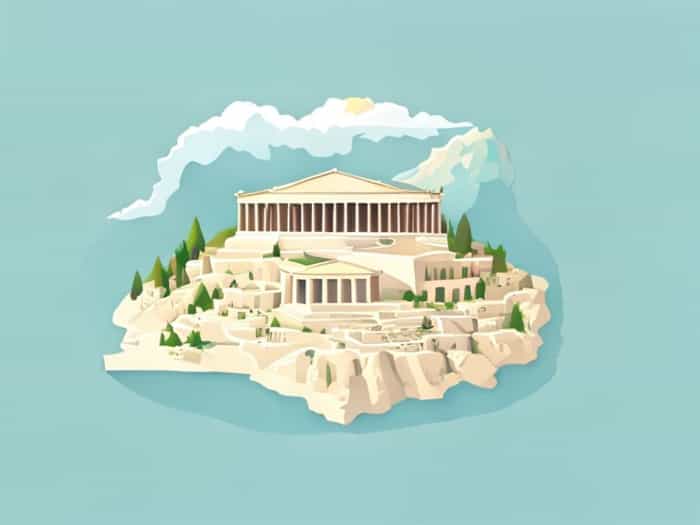
The map of ancient Greece provides a fascinating glimpse into the geography, city-states, and regions that shaped one of the most influential civilizations in history. Ancient Greece was not a single unified nation, but rather a collection of independent city-states, known as poleis, each with its own government, culture, and military. Understanding the layout of ancient Greece is crucial for studying its history, including the development of democracy, philosophy, art, and warfare. The geographical features such as mountains, seas, and islands played a significant role in shaping the culture, economy, and political relationships among the city-states. A map of ancient Greece helps visualize these connections and provides context for historical events that have influenced Western civilization.
Geographical Overview
Ancient Greece was located in the southeastern part of Europe, on the southern end of the Balkan Peninsula. It included a mainland area, the Peloponnese Peninsula, numerous islands in the Aegean and Ionian Seas, and colonies along the coast of Asia Minor. The region was characterized by rugged mountains, fertile plains, and extensive coastlines, which influenced settlement patterns and trade routes.
Mainland Greece
The mainland of ancient Greece was divided into several regions, each with unique geographical and cultural characteristics
- AtticaHome to Athens, one of the most powerful and influential city-states, known for its democracy, philosophy, and culture.
- BoeotiaA region in central Greece, with Thebes as its major city, often in conflict with Athens.
- ThessalyKnown for fertile plains ideal for agriculture and horse breeding.
- MacedoniaLocated in the northern part of Greece, later famous as the kingdom of Alexander the Great.
- PeloponneseA large peninsula connected to the mainland by the Isthmus of Corinth, home to powerful city-states like Sparta and Corinth.
Islands and Coastal Regions
The islands of ancient Greece were vital for trade, maritime exploration, and cultural exchange. Major islands included
- CreteThe center of the Minoan civilization, known for its palaces and advanced society.
- RhodesFamous for its strategic location and the Colossus of Rhodes.
- DelosA religious and commercial center in the Cyclades islands.
- Lesbos and ChiosImportant in trade and the production of goods like wine and olive oil.
These islands facilitated communication and commerce between different parts of Greece and neighboring regions, allowing for the spread of ideas, culture, and economic activity.
City-States and Political Divisions
The map of ancient Greece is also a map of its city-states, which were independent political entities with their own governments, armies, and territories. Major city-states included
Athens
Athens was located in Attica, near the Aegean coast. It became famous for its early form of democracy, intellectual achievements, and cultural contributions in art, philosophy, and literature. Its strategic location allowed Athens to control trade routes and build a powerful navy.
Sparta
Sparta was situated in the southern Peloponnese, in the region of Laconia. Known for its militaristic society, Sparta emphasized discipline, training, and communal strength. The Spartan army was one of the most formidable forces in ancient Greece, often clashing with Athens and other city-states.
Corinth
Corinth was a wealthy city-state located on the Isthmus of Corinth, acting as a bridge between the Peloponnese and mainland Greece. Its location made it a key trade hub, controlling both land and sea routes. Corinth was also known for its skilled artisans and impressive architecture.
Thebes
Thebes, in Boeotia, played a significant role in Greek politics and military history. Although often overshadowed by Athens and Sparta, Thebes had periods of prominence and influence, especially in regional conflicts and alliances.
Geography and Its Impact on Ancient Greece
The terrain of ancient Greece had a profound influence on its development. Mountains divided regions, leading to isolated communities and the rise of independent city-states. Fertile plains allowed agriculture to flourish, providing food for growing populations. The extensive coastline and numerous islands promoted maritime trade, naval power, and cultural exchange. Rivers and natural harbors enabled communication and commerce, while the Mediterranean climate supported olive and grape cultivation, staples of the Greek economy.
Trade and Economy
Ancient Greek trade depended heavily on its geography. The sea routes connecting the Aegean, Ionian, and Mediterranean allowed city-states to exchange goods, ideas, and culture. Coastal cities like Athens, Corinth, and Rhodes became economic hubs, exporting olive oil, wine, pottery, and metalwork. The map of ancient Greece illustrates the proximity of these trading centers and their connections to other civilizations, including Egypt, Phoenicia, and Asia Minor.
Military and Strategic Considerations
Geography also influenced military strategies in ancient Greece. Mountainous terrain made large-scale land invasions challenging, promoting the defense of city-states with fortified walls and natural barriers. Naval power was essential for control over islands and coastal regions. Athens’ strategic position allowed it to build a strong navy, while Sparta’s land-based location emphasized a dominant infantry force. Understanding the map of ancient Greece helps explain the outcomes of famous conflicts like the Persian Wars and the Peloponnesian War.
Historical Significance of Maps in Understanding Ancient Greece
Maps of ancient Greece are valuable tools for historians, archaeologists, and students. They provide a visual representation of political boundaries, city-state locations, trade routes, and geographical features. By studying these maps, we can better understand how geography shaped culture, politics, and daily life in ancient Greek civilization. Maps also illustrate the spread of Greek colonies throughout the Mediterranean and the influence of Greek culture on neighboring regions.
Educational Use
Maps of ancient Greece are widely used in education to teach about Greek history, mythology, and geography. They help learners visualize where historical events took place, how city-states interacted, and the challenges posed by the terrain. By seeing the layout of mountains, islands, and seas, students gain a deeper appreciation for the strategic and cultural decisions of the ancient Greeks.
Modern Cartography and Reconstruction
Modern historians and cartographers use archaeological evidence, historical texts, and geographic studies to reconstruct accurate maps of ancient Greece. These maps combine historical records with contemporary knowledge of the terrain, allowing for a more precise understanding of ancient boundaries, trade networks, and city-state interactions. Digital tools and GIS technology now provide interactive maps that further enhance study and exploration of ancient Greek civilization.
The map of ancient Greece offers a window into a civilization that shaped Western culture, philosophy, politics, and art. From the independent city-states of Athens, Sparta, and Corinth to the islands of the Aegean and the fertile plains of Thessaly, geography played a crucial role in shaping ancient Greek society. By studying these maps, we gain insight into the economic, political, and cultural interactions that defined the era. Ancient Greek maps are not only tools for understanding history but also reminders of the enduring influence of geography on human civilization. They provide a framework for appreciating how location, terrain, and natural resources impacted the development, conflicts, and achievements of one of the world’s most remarkable ancient societies.