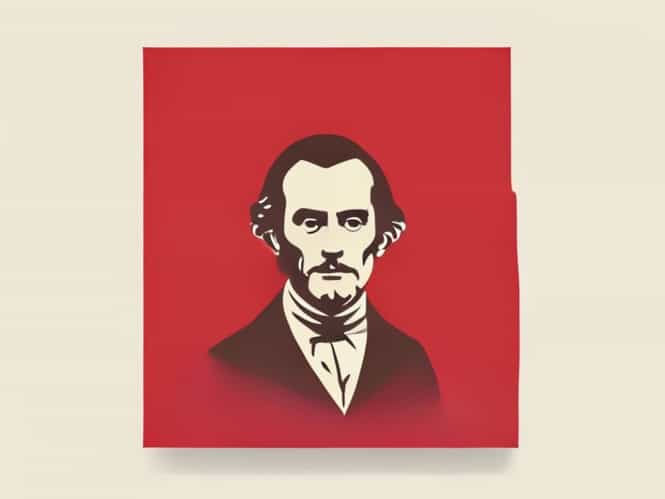
Understanding democracy has been a central concern of political philosophers for centuries, and Alexis de Tocqueville offers one of the most influential perspectives on this subject. As a French political thinker and historian, Tocqueville traveled to the United States in the early 19th century to study its political institutions, social structures, and culture. His observations culminated in his seminal work, Democracy in America, where he analyzes how democracy functions and the principles that underpin it. Tocqueville’s definition of democracy goes beyond mere majority rule; it encompasses equality, civic engagement, and the distribution of power throughout society. By examining how Tocqueville defines democracy, we can better understand the strengths, potential challenges, and enduring relevance of democratic governance.
Democracy as Equality
For Tocqueville, the defining characteristic of democracy is equality among citizens. He emphasizes that democracy is not solely a form of government but a social condition where individuals have equal rights, opportunities, and influence. This equality manifests in political, social, and legal spheres, allowing citizens to participate in decision-making processes on a relatively even footing. Tocqueville observes that in the United States, this equality of conditions fosters a sense of independence, self-reliance, and civic responsibility, which are critical for the sustainability of democratic institutions.
Political Equality
Political equality, according to Tocqueville, means that every citizen has a voice in governance, often exercised through voting, representation, and civic engagement. In democratic societies, political power is not concentrated in the hands of a few elites but distributed across the population. This ensures that decisions reflect the collective will of the people rather than the interests of a privileged minority. Tocqueville stresses that this broad-based participation encourages accountability, transparency, and responsiveness in government.
Social Equality
Social equality is another essential component of Tocqueville’s definition of democracy. He notes that in democratic societies, rigid social hierarchies are less pronounced, allowing individuals from different backgrounds to interact, collaborate, and pursue opportunities. While social equality does not eliminate all differences in wealth or status, it reduces the barriers that prevent citizens from engaging fully in civic life. This egalitarian spirit supports the development of a more cohesive and stable society.
Democracy and Civic Engagement
Tocqueville emphasizes that democracy thrives when citizens actively participate in public life. He observes that Americans, despite their differences in wealth and occupation, often join voluntary associations, attend town meetings, and engage in community initiatives. This active engagement is a cornerstone of Tocqueville’s understanding of democracy, as it fosters a sense of responsibility, solidarity, and collective decision-making.
Voluntary Associations
Voluntary associations play a critical role in Tocqueville’s vision of democracy. These organizations, which can include clubs, religious groups, charitable societies, and civic organizations, allow citizens to collaborate, share ideas, and address common concerns. Tocqueville argues that participation in these associations teaches individuals how to negotiate, compromise, and exercise leadership skills that are vital for the effective functioning of a democratic society.
Civic Responsibility
Civic responsibility, for Tocqueville, is closely linked to the concept of democracy. Citizens must not only enjoy rights and freedoms but also fulfill duties that support the public good. This includes participating in elections, obeying laws, engaging in public debate, and contributing to community welfare. Tocqueville believes that when citizens embrace their responsibilities, democracy is strengthened, and the risk of tyranny or corruption is reduced.
Democracy and Individual Liberty
While Tocqueville champions equality, he also underscores the importance of individual liberty in a democratic society. He recognizes that democracy can create a tension between equality and freedom, as the pressure for conformity may threaten personal autonomy. However, Tocqueville argues that when democracy is properly structured, citizens can enjoy both equality and liberty, fostering an environment where individuals can pursue their own goals while contributing to the common good.
Freedom of Thought and Expression
Tocqueville notes that democracy flourishes when individuals are free to express opinions, debate policies, and critique authority without fear of reprisal. Freedom of thought and expression allows for the exchange of ideas, encourages innovation, and holds leaders accountable. In his view, a democratic society that limits these freedoms risks stagnation and the erosion of civic engagement.
Balancing Majority Rule and Minority Rights
Another critical aspect of Tocqueville’s definition of democracy is the balance between majority rule and the protection of minority rights. While democracy is characterized by the participation of the majority, Tocqueville warns against the tyranny of the majority, where the majority imposes its will at the expense of minority groups. He advocates for institutions, legal frameworks, and cultural norms that protect individual rights and ensure that democracy respects the dignity and liberties of all citizens.
Democracy and the Distribution of Power
Tocqueville observes that democracy involves the diffusion of power across society, rather than its concentration in a centralized authority. This distribution occurs through local governments, elected representatives, judicial systems, and voluntary associations. Decentralized power allows citizens to participate more directly in governance and provides a check against arbitrary rule. Tocqueville’s analysis highlights that democracy is as much about structures and institutions as it is about values and social attitudes.
Local Government and Participation
Local government is particularly important in Tocqueville’s understanding of democracy. By engaging in local decision-making, citizens learn the responsibilities of self-governance, develop leadership skills, and maintain a connection to the political process. This local involvement reinforces national democratic institutions and ensures that governance remains responsive to the needs of the community.
Checks and Balances
Tocqueville also emphasizes the role of checks and balances in sustaining democracy. The separation of powers among legislative, executive, and judicial branches prevents the abuse of authority and protects individual rights. Tocqueville’s definition of democracy incorporates both the structural safeguards of governance and the active participation of citizens, reflecting a holistic view of democratic society.
Challenges and Observations
While Tocqueville admires American democracy, he also identifies potential risks and challenges. He warns that excessive individualism, materialism, and the desire for equality could lead to social isolation, apathy, and diminished civic engagement. Tocqueville stresses that the health of democracy depends not only on institutions but also on the character, habits, and values of citizens. A vibrant democracy requires vigilance, education, and active participation to maintain both liberty and equality.
The Role of Education
Education is essential in Tocqueville’s conception of democracy. Informed and educated citizens are better equipped to participate in public life, make sound decisions, and respect the rights of others. Tocqueville advocates for a system of education that promotes critical thinking, civic knowledge, and moral responsibility, ensuring that democracy is sustained over generations.
Maintaining Civic Virtue
Civic virtue, including honesty, responsibility, and a commitment to the common good, is central to Tocqueville’s vision. Without these qualities, democracy risks decline, as citizens may prioritize personal interests over collective welfare. Tocqueville’s definition of democracy emphasizes the interplay between institutional structures and the ethical character of the populace.
Alexis de Tocqueville defines democracy not merely as a political system but as a comprehensive social and moral condition characterized by equality, civic engagement, individual liberty, and the distribution of power. His analysis highlights the importance of active citizen participation, local governance, protection of minority rights, and the cultivation of civic virtue. By understanding how Tocqueville defines democracy, we gain valuable insights into the principles that sustain democratic societies, the challenges they face, and the responsibilities of citizens. His observations remain relevant today, reminding us that democracy is both a structure and a practice, requiring vigilance, education, and a commitment to equality and freedom for all.