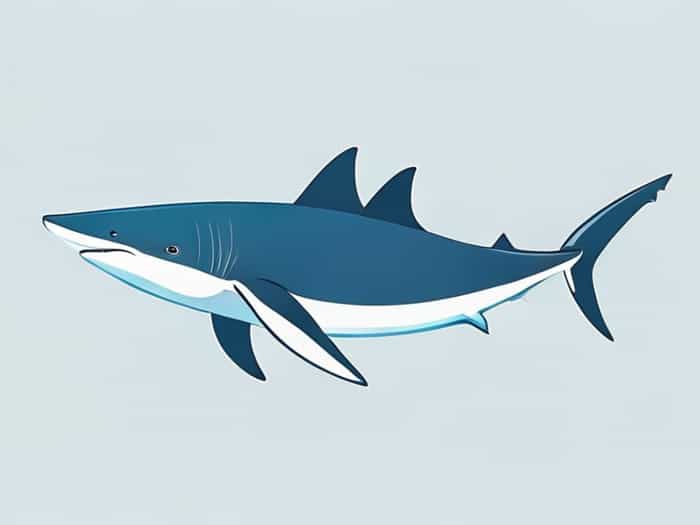
The ocean is home to many fascinating creatures, but few capture the imagination quite like the whale shark. Known for their enormous size, gentle nature, and distinctive spotted patterns, whale sharks are often a subject of curiosity and wonder. A common question among enthusiasts and casual observers alike is, are whale sharks sharks? Understanding the biology, classification, and unique characteristics of these marine giants can clarify this question and shed light on why the whale shark holds a special place in both marine ecology and public fascination. Despite their immense size and somewhat misleading name, whale sharks are indeed sharks, but with many unique features that differentiate them from the predatory sharks commonly imagined by most people.
Classification of Whale Sharks
Whale sharks belong to the class Chondrichthyes, which includes all cartilaginous fishes such as sharks, rays, and skates. Specifically, they are part of the order Orectolobiformes, often referred to as carpet sharks, and the family Rhincodontidae. Their scientific name isRhincodon typus. Despite their massive size and the whale in their name, whale sharks are not whales; they are sharks, distinguished by their cartilaginous skeletons, gill slits, and other shark-like anatomical features. Their classification is based on both genetic studies and observable physical traits, confirming their identity as the largest living fish in the world.
Physical Characteristics
- SizeWhale sharks can reach lengths of up to 40 feet or more and weigh as much as 20 tons.
- SkeletonLike all sharks, their skeletons are made of cartilage rather than bone, making them lighter and more flexible.
- Gill SlitsWhale sharks possess five large gill slits on each side of their head, a characteristic feature of sharks.
- Skin and PatternTheir grayish-blue skin with distinctive white spots and stripes is unique among sharks and helps in identification.
- FinsThey have a broad, flattened head, a pair of dorsal fins, and large pectoral fins that aid in swimming.
Feeding and Behavior
Unlike many other shark species, whale sharks are filter feeders. They feed primarily on plankton, small fish, and occasionally squid, swimming slowly with their mouths wide open to filter water. This feeding behavior is more similar to that of baleen whales than predatory sharks, which can sometimes lead to confusion about their classification. Despite being sharks, whale sharks are gentle giants, posing no threat to humans and often allowing divers and snorkelers to swim alongside them.
Filter Feeding Mechanism
Whale sharks use their large mouths to filter tiny organisms from the water. Specialized gill rakers inside the mouth trap plankton and small fish while allowing water to pass through. This method of feeding, combined with their slow, graceful swimming, distinguishes them from predatory sharks, but it does not change their classification as true sharks.
Behavioral Traits
- Solitary swimmers, though they sometimes gather in areas with high plankton concentrations.
- Long migratory patterns, often traveling thousands of kilometers to find food and breeding grounds.
- Surface feeders that are often visible from boats, making them popular among ecotourists.
- Slow-growing and late-maturing species, which makes them vulnerable to overfishing and habitat disruption.
Comparison With Other Sharks
Whale sharks differ from many other shark species in several key ways, which contributes to confusion about whether they are true sharks. While predatory sharks like the great white, tiger, and bull sharks are carnivorous and aggressive, whale sharks are docile filter feeders. Their massive size, unique patterns, and feeding strategy make them more whale-like in appearance and behavior. However, their skeletal structure, gill slits, and genetic makeup confirm their identity as sharks.
Key Differences
- Diet Whale sharks consume plankton, while predatory sharks hunt larger fish and marine mammals.
- Behavior Whale sharks are gentle and slow-moving; many other sharks are active hunters.
- Reproduction Whale sharks are ovoviviparous, giving birth to live young, similar to some other shark species but different from egg-laying sharks.
- Lifespan Whale sharks can live 70-100 years, making them among the longest-lived fish species.
Conservation Status
Whale sharks are currently listed as endangered by the International Union for Conservation of Nature (IUCN). Threats include accidental capture in fishing gear, collisions with boats, and habitat degradation. Despite being protected in many regions, enforcement remains a challenge, particularly in international waters. Conservation efforts focus on habitat protection, ecotourism management, and international agreements to prevent overfishing and disturbance.
Protection Measures
- Marine protected areas established in regions where whale sharks feed and breed.
- International laws prohibiting hunting and trade of whale sharks.
- Guidelines for ecotourism to minimize human disturbance.
- Research and monitoring programs to track populations and migratory patterns.
Why the Confusion About Their Name?
The name whale shark can mislead people into thinking these creatures are whales. The term whale in their name reflects their enormous size and filter-feeding habits, which are reminiscent of baleen whales. However, the scientific and anatomical evidence clearly places them within the shark lineage. Their evolutionary history links them to other cartilaginous fishes, and their unique adaptations, while unusual, do not alter their classification as sharks.
Public Perception
- Commonly perceived as whale-like due to size and feeding style.
- Non-threatening behavior makes them popular in diving tourism.
- Scientific studies emphasize their shark characteristics to clarify classification.
Whale sharks are indeed sharks, despite their name and some whale-like behaviors. Their classification within the cartilaginous fishes, presence of gill slits, cartilaginous skeleton, and genetic evidence all confirm their identity as the largest living shark species. While their gentle, filter-feeding lifestyle sets them apart from predatory sharks, it does not change their place in the shark lineage. Understanding the biology and classification of whale sharks helps clarify misconceptions and highlights the importance of conserving these magnificent marine creatures. By protecting their habitats and ensuring sustainable human interactions, we can continue to study and admire the whale shark, the gentle giant of the ocean, for generations to come.