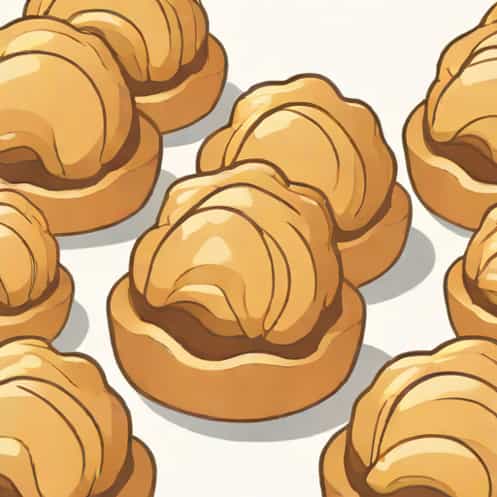
Profiterole shells are delicate, airy pastries that form the foundation of many delicious desserts. They are crisp on the outside, soft and hollow on the inside, and perfect for filling with creams, custards, or ice cream. Given their delicate nature, many bakers and home cooks wonder whether it is possible to freeze profiterole shells without compromising their texture and taste. Freezing can be a convenient way to prepare in advance, but it requires proper handling to maintain the quality and integrity of the shells.
Understanding Profiterole Shells
Profiterole shells, also known as choux pastry, are made from a simple mixture of butter, water, flour, and eggs. When baked, the dough puffs up due to the steam created during the cooking process, forming hollow centers ideal for fillings. This unique structure makes the shells both versatile and sensitive, requiring care during storage, handling, and freezing. Understanding the basic properties of profiterole shells helps in making informed decisions about freezing them.
Why Freezing Might Be Beneficial
Freezing profiterole shells can save time and reduce stress when planning desserts for parties or special occasions. By preparing and freezing the shells in advance, bakers can quickly assemble profiteroles by filling them just before serving. Additionally, freezing allows for batch preparation, ensuring a steady supply without the need to bake fresh shells every time, which is especially helpful during busy holiday seasons or events.
How to Freeze Profiterole Shells Properly
Freezing profiterole shells requires specific techniques to maintain their crisp texture and prevent them from becoming soggy. Proper freezing ensures that the delicate shells retain their structure, flavor, and appearance when thawed. There are several key steps to follow for successful freezing.
Preparation Before Freezing
- Bake the profiterole shells until they are golden brown and fully dry inside.
- Allow the shells to cool completely at room temperature to prevent condensation.
- Ensure that the shells are not filled, as freezing filled profiteroles can compromise texture.
Freezing Techniques
There are two common methods to freeze profiterole shells effectively. The first is freezing on a tray, and the second involves storage in airtight containers. Both methods have advantages depending on space and future use.
- Tray FreezingPlace cooled profiterole shells on a baking sheet in a single layer, making sure they do not touch each other. Freeze them for a few hours until firm, then transfer to an airtight container or freezer bag for longer storage.
- Airtight ContainersArrange the shells in layers with parchment paper between each layer to prevent sticking. Seal the container tightly to protect the shells from moisture and freezer odors.
Thawing and Reheating Profiterole Shells
Proper thawing is essential to preserve the texture and taste of frozen profiterole shells. Rapid thawing or exposure to humidity can cause the shells to become soft and lose their crispness. Following careful steps ensures that the shells remain ready for filling and serving.
Step-by-Step Thawing
- Remove the desired quantity of frozen shells from the freezer.
- Place them on a plate or tray at room temperature, allowing them to thaw gradually.
- Avoid covering them tightly during thawing, as trapped moisture can soften the shells.
- If needed, reheat in a preheated oven at low temperature for a few minutes to restore crispness before filling.
Tips for Best Results
To maximize the quality of frozen profiterole shells, several tips and precautions can be followed
- Do not freeze shells that are underbaked, as they may collapse or become soggy when thawed.
- Keep the freezer at a consistent temperature to prevent ice crystals from forming on the shells.
- Label containers with the date of freezing to ensure they are used within a reasonable timeframe, usually up to one month.
- Avoid filling shells before freezing to maintain crispness and prevent leaking.
Common Mistakes to Avoid
Even with careful preparation, mistakes during freezing can compromise the quality of profiterole shells. Being aware of common errors can help bakers avoid disappointment.
Frequent Errors
- Freezing shells while still warm, causing condensation and sogginess.
- Stacking shells without separation, leading to sticking and damage.
- Using low-quality freezer bags or containers, which may allow moisture and odors to affect the shells.
- Leaving shells in the freezer for extended periods beyond recommended storage time.
Advantages of Freezing Profiterole Shells
Freezing profiterole shells offers multiple benefits that enhance convenience, efficiency, and versatility for home bakers and professional pastry chefs alike. By keeping a stock of ready-to-use shells, dessert preparation becomes faster and more manageable.
- Time-saving solution for parties and gatherings.
- Allows batch preparation, reducing daily baking stress.
- Minimizes waste by preserving shells for future use.
- Provides flexibility in dessert planning and assembly.
Freezing profiterole shells is not only possible but also highly practical when done correctly. By following proper baking, cooling, freezing, and thawing techniques, the delicate texture and crispness of the shells can be preserved, allowing for convenient and efficient dessert preparation. Whether for everyday enjoyment or special occasions, frozen profiterole shells offer flexibility, reduce preparation time, and maintain the high-quality taste and texture expected of this classic pastry. With careful handling and attention to detail, frozen shells can be transformed into stunning, delicious profiteroles ready to impress friends and family at any time.